An update from the air

Please consider all images as copyrighted – thank you. Contact me for use… DEClapp

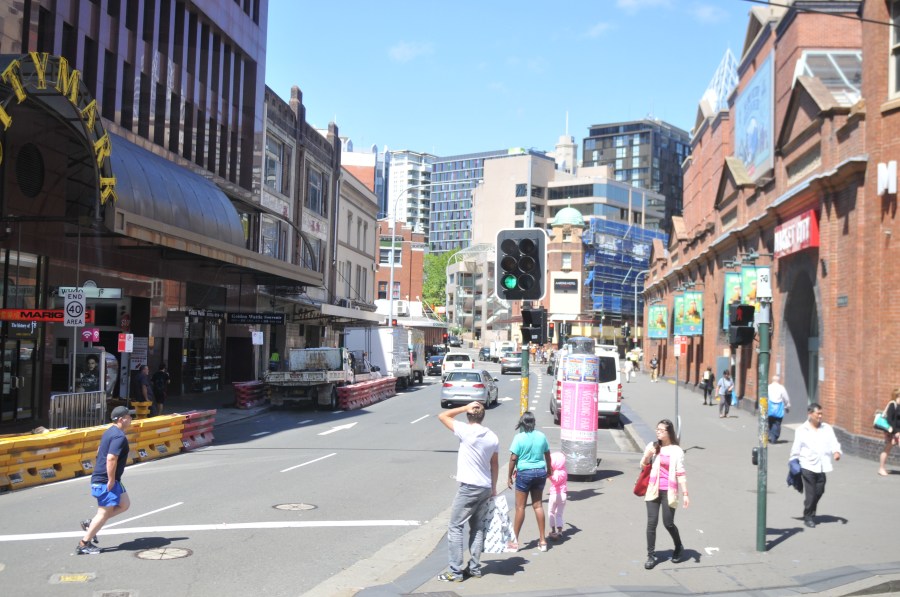
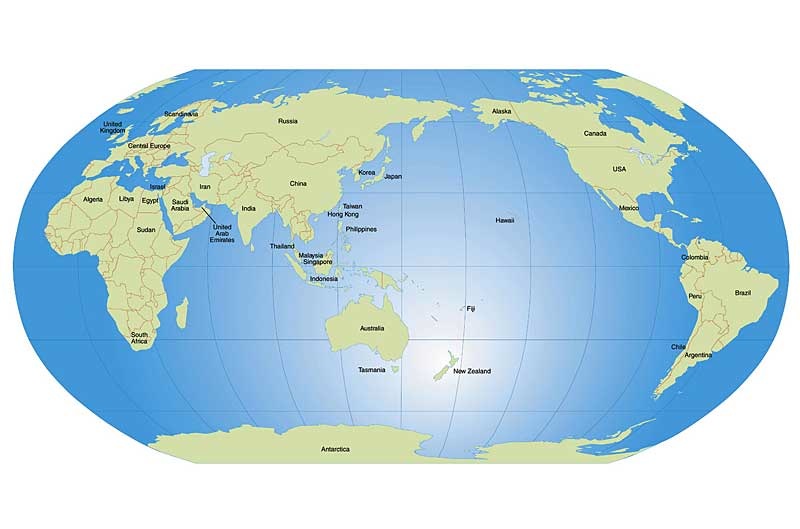
Well I am again on a plane, this time headed to Christchurch New Zealand from Sydney. The flight is just under three hours and more than 1200 miles and we gain two hours so arrival is about 11:00 pm and we will be in the hotel at midnight, but my body will think it’s only ten o’clock. Today was a rainy day in Sydney but it didn’t interrupt our plans. The entire stay in Sydney went well and people, as always, just loved this city. Christchurch, where we are heading, is on the northeast side of New Zealand’s South Island and is our starting point in that country. Sydney is pretty far south on the Australian east coast (in the state of New South Wales), so we are flying east-south-east. 

We arrived four days ago from the scalding hot center of the country only find that Sydney was in the mid eighties and a bit humid. The weather was pretty nice overall though I was ready for the low seventies. We arrived in the evening and had a dinner provided at the Sir Stamford which was very welcome and very tasty. 

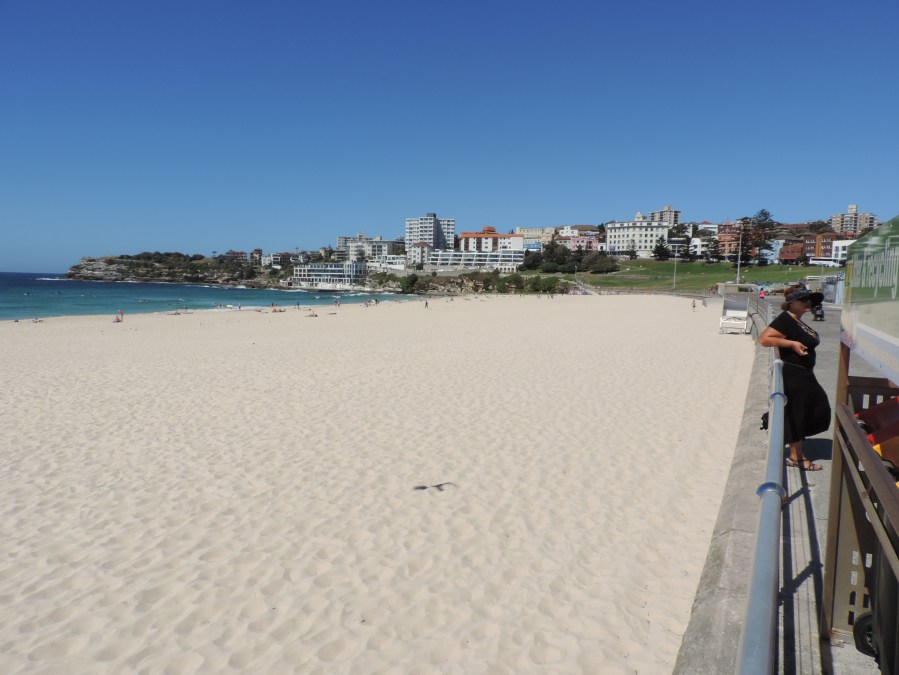
The next morning we toured the city and suburbs with a lunch time stop at Bondi Beach.

sydney
Bondi Beach
sydney
Bondi Beach

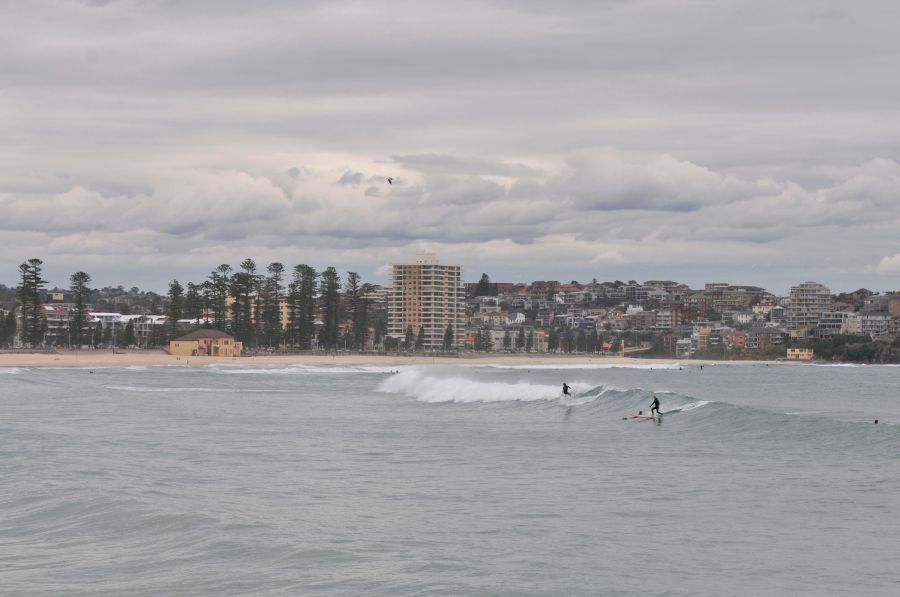
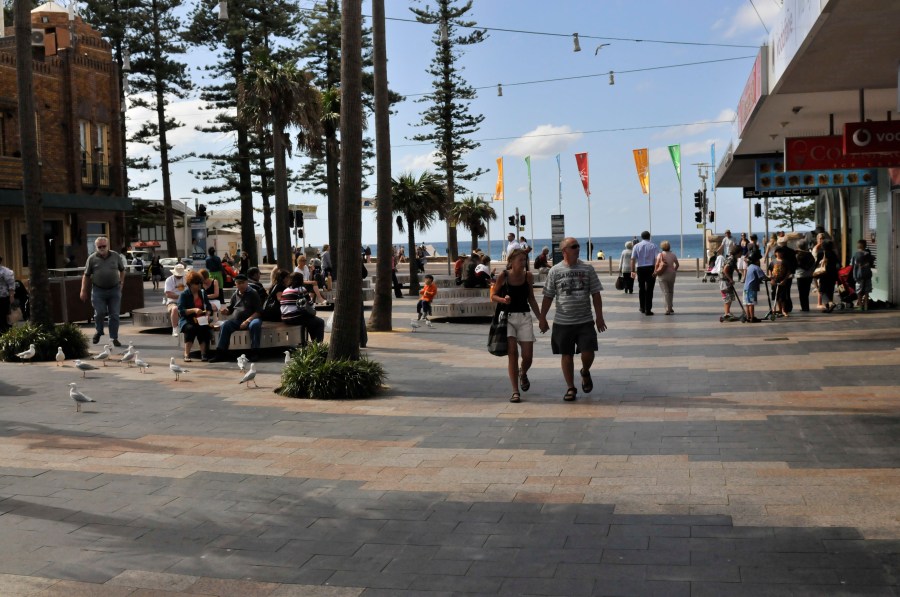
I was thinking that I have been in Sydney for more than two months in the last few years; at least eight days a year for eight years. I rarely get to Boston other than to catch a plane but Sydney, Christchurch, Auckland, Cairns, Cape Town, Johannesburg, and a few others are pretty well known to me. Anyway, we toured and then returned to the hotel and had a free night. I went to the Apple Store and the grabbed a quick supper. The second day was similar but with a visit to the Featherdale Wildlife Park and a stop at Manly Beach. Some of the travelers took the Manly Ferry back to Circular Quay. Dinner and the evening for me was the same as yesterday. 

Sydney Day 2 (84)
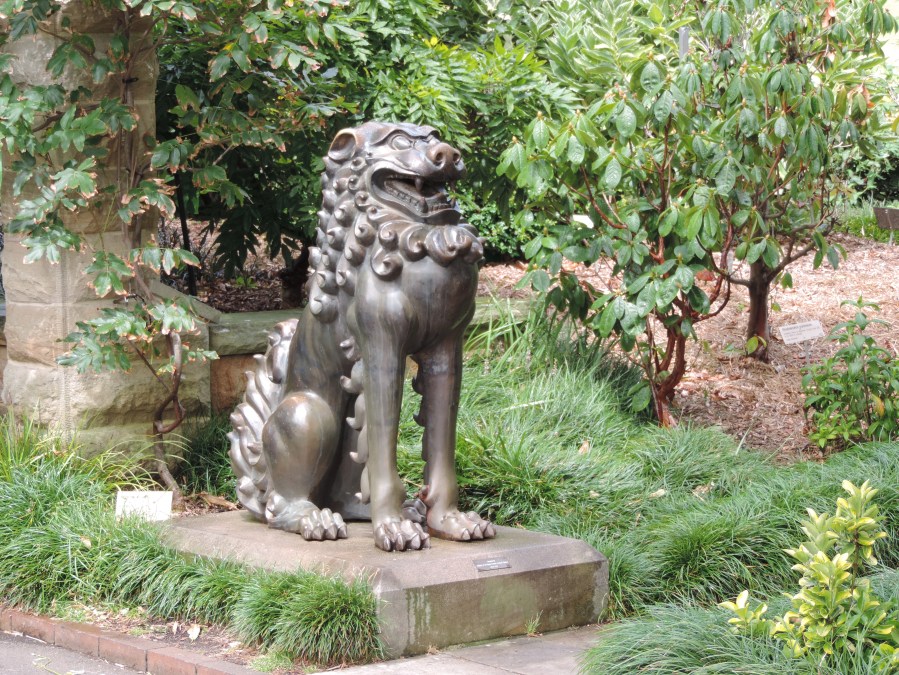
Manly Beach sculptures
sydney area
…surfers
sydney area
…tourists

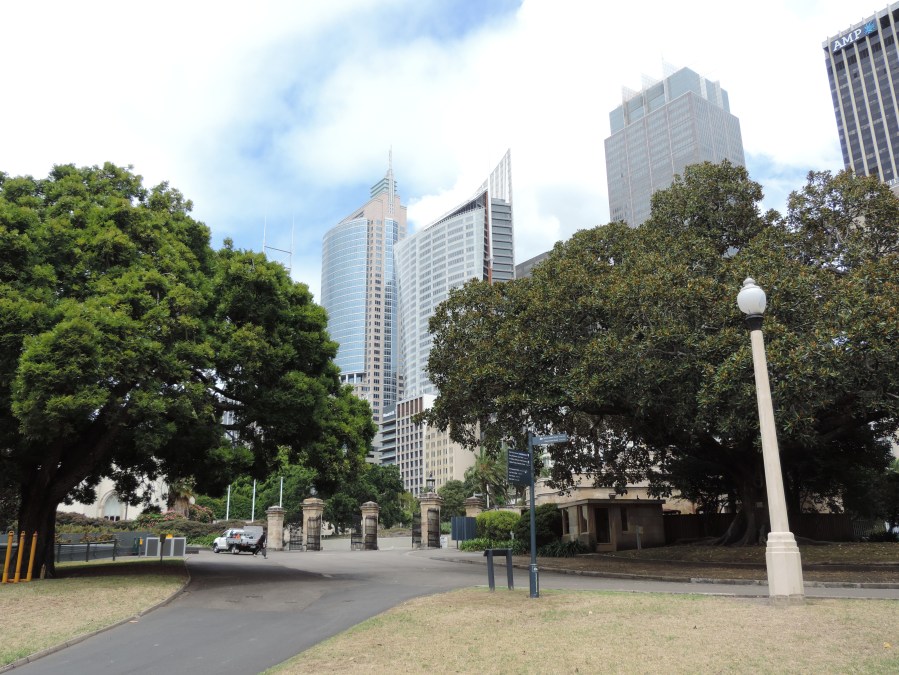
Wednesday was a sort of free day except I led a walk in the Botanic Gardens and then we had a planned dinner at The Waterfront restaurant just across Circular Quay from the Opera House. Barramundi was the entree (main course here, as the entree is the lead course) and it was light and very well done. 
botanic gardens sydney
Sydney Botanic Gardens

botanic gardens sydneybotanic gardens sydney

This morning we went up to the New South Wales State Library for a tour and visit with Captain Cook’s maps, Joseph Banks’ journal, and lots of drawings of the first Fleet by prisoners, aboriginals, and others. There was a diary from the late 1700’s by a guy named Nagle who was a US citizen who was on one of the first boats as a seaman. This is a real highlight of the trip and my favorite stop. Sydney’s Botanic Gardens offer lots of birds and that park is always a pleasure but the library is very special.

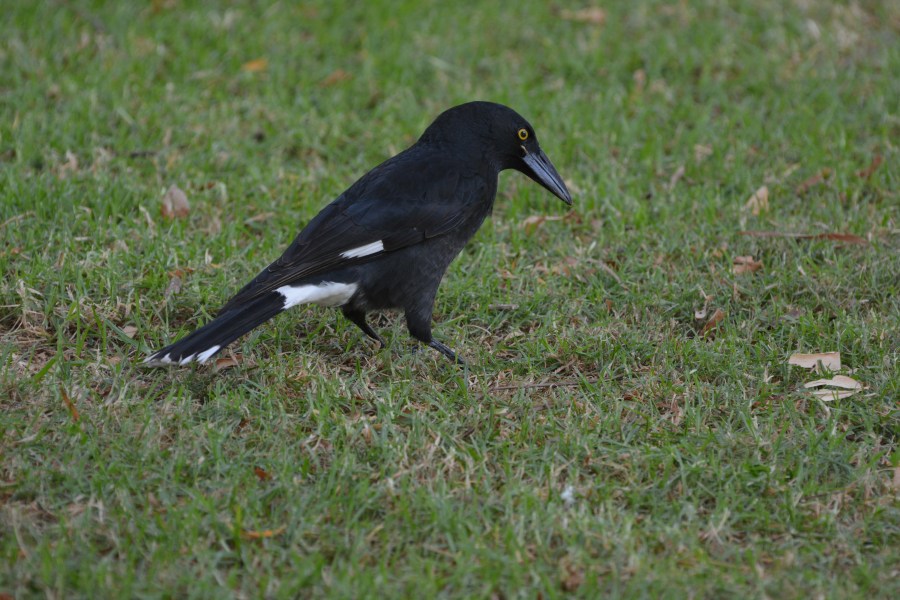
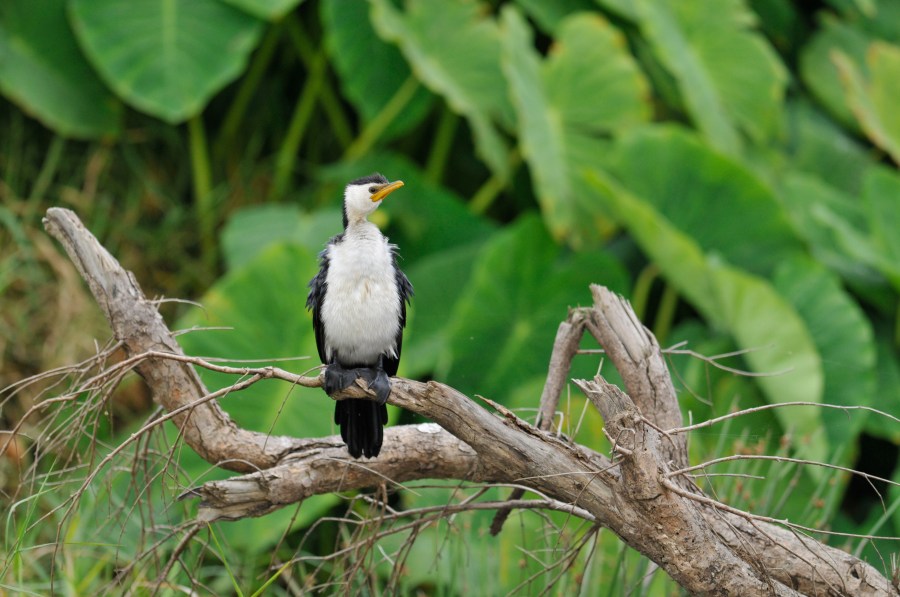
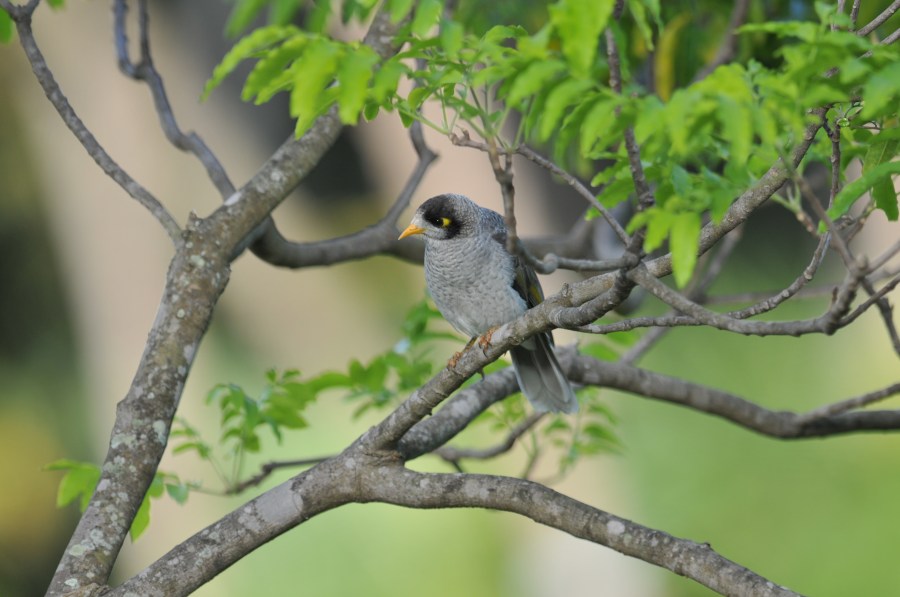
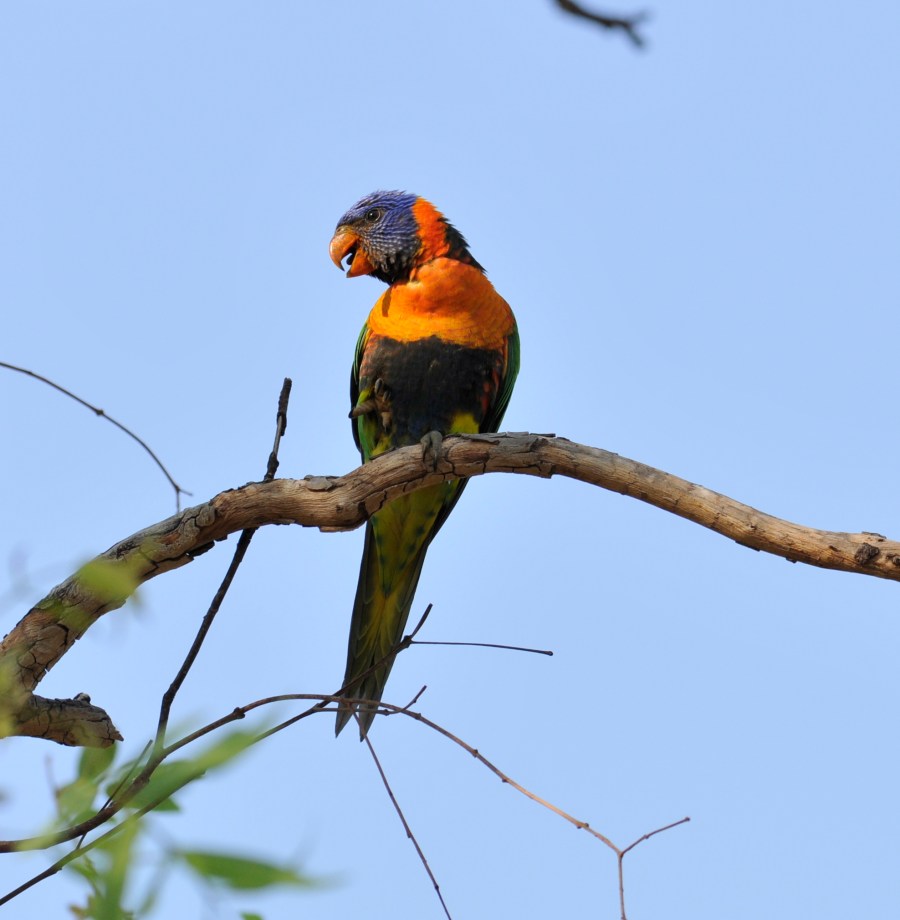
The other afternoon I had the following birds in the gardens, usually seen up close and like many urban park birds they were quite tame. Dusky gallinule (20), Sulphur-crested cockatoo (35), Laughing kookaburra (2), Noisy miner (14), Australasian ibis (55), Chestnut teal (2), Pacific black duck (2), Maned duck (7), Masked lapwing (6), Pied currawong (2), Australian magpie (2), Magpie lark (4), Rainbow lorikeet (8), Rock dove (3), Silver gull (17), Little black cormorant (30) and Little pied cormorant (12).

I never seem to get little birds in the Sydney gardens. The miners are robin-sized and the smallest bird I see. There were no mammals, as might be expected in Australia, and especially in an urban area. There are fruit bats in the city but they are no longer welcome in the gardens. I did attract a few very large eels for the group to see. These guys are the size of a baseball bat and pretty common in the pond where the cormorants nest.
DSC_0684
Noisy miner
lorikeet red collared
Rainbow lorikeet
DSC_0613
Pied currawong
cormorant little-pied
Little pied cormorant

Back when we were in Cairns there was a low pressure developing well off shore in the Coral Sea. It became Cyclone Debi after a few days and battered the coast about 150 miles south of Cairns the day before yesterday. It dropped rain at four inches an hour and had 170 mile an hour winds. Today as they recover, the rain has looped around and now covers from Sydney and about 1500 miles up along the coast to the north. That is where the rain we are getting is coming from. Some towns are expected to get 15″ of rain in the next few hours. As we take off it is raining and the clouds are thick and wet. I think we will be east of the storms in thirty minutes but this was a big and devastating storm.
AU world map
Where we are….

The New Zealand weather seems pretty good. We are expecting temps in the 60s and 70s with not too much rain. The day that we drive through the Southern Alps and out onto the western coast to catch our Milford Sound boat is one day we hope has pleasant weather. The Great Barrier Reef, the luncheon cruise on Sydney Harbor, and the Milford Sound day are the three that we hope will have good weather. So far we are two for two.

Sydney is not inexpensive. The minimum wage here is about $20 an hour and that raises overall costs a bit. The wages are geared to allow people to make a living but as overtime, weekends, holidays, and Sundays are all time and a half or even double time and a half it makes running a restaurant on a Sunday very costly. Minimum wage is over $40,000 a year so it is pretty easy to see that teachers and plumbers and management people can make $75,000 to $100,000 easily. The same applies to New Zealand. So, hotels, rental cars, food, and clothing is much cheaper in the USA and people from here often go on big shopping sprees in Los Angeles and other US cities. Gasoline is about $1.45 a liter in Alice and $1.12 in Sydney. That is about $6.25 or $4.00 a US gallon. The health care and retirement here are pretty good. The weather is very nice and life is generally good and safe; no guns allowed.
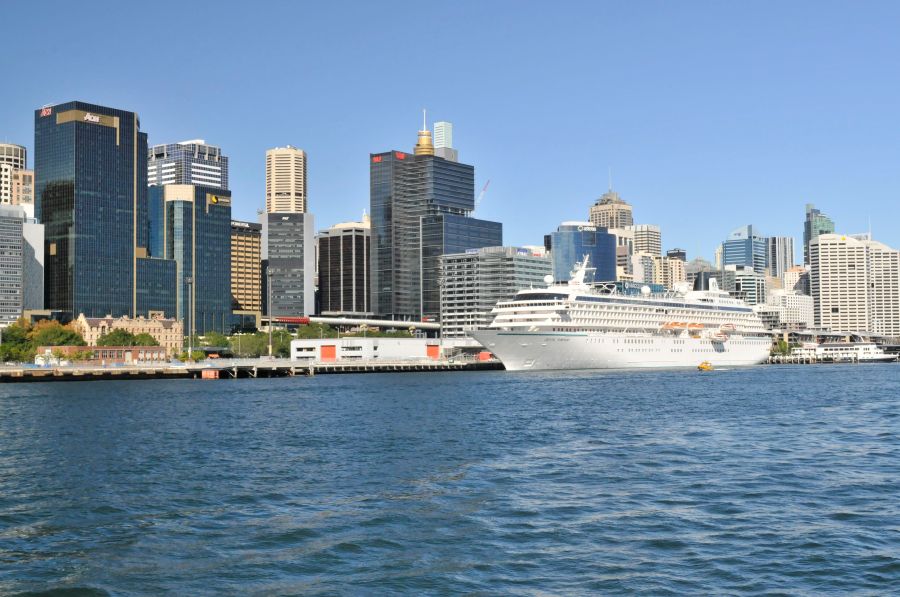
DSC_0200
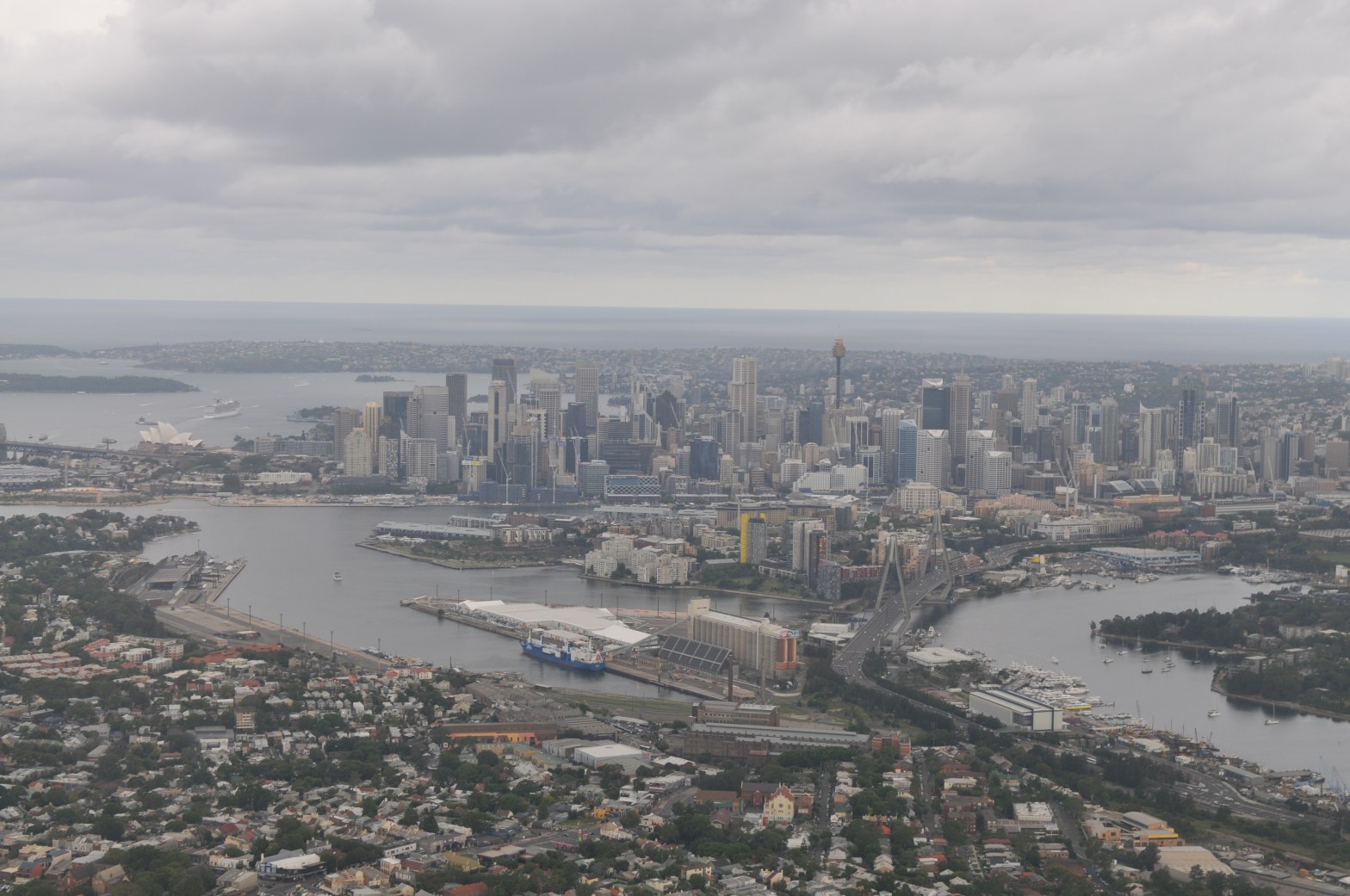
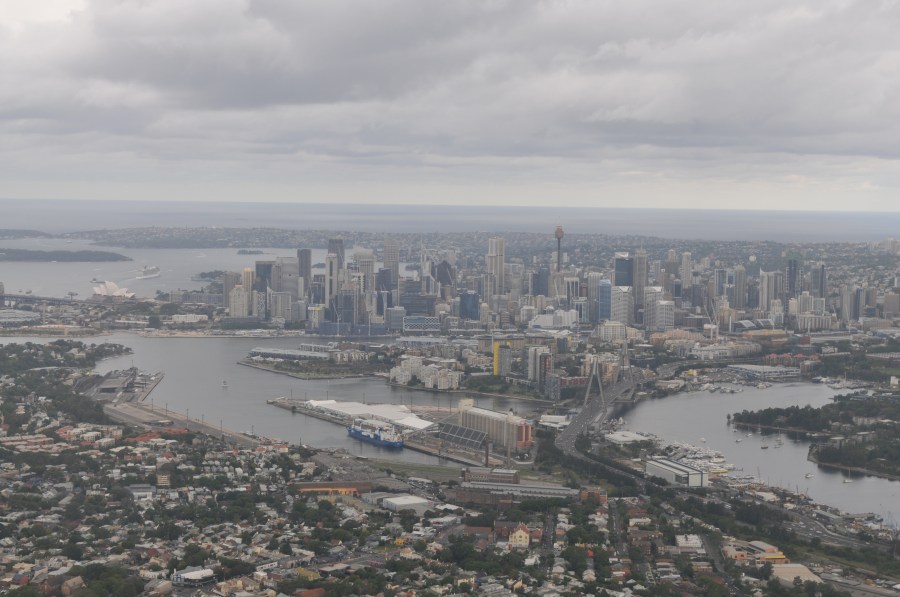
Sydney by air,
sydney
by ferry
sydney
boat and
DSC_0240
on the road

Mount Cook, a New Zealand Icon

Please consider all images as copyrighted – thank you. Contact me for use… DEClapp

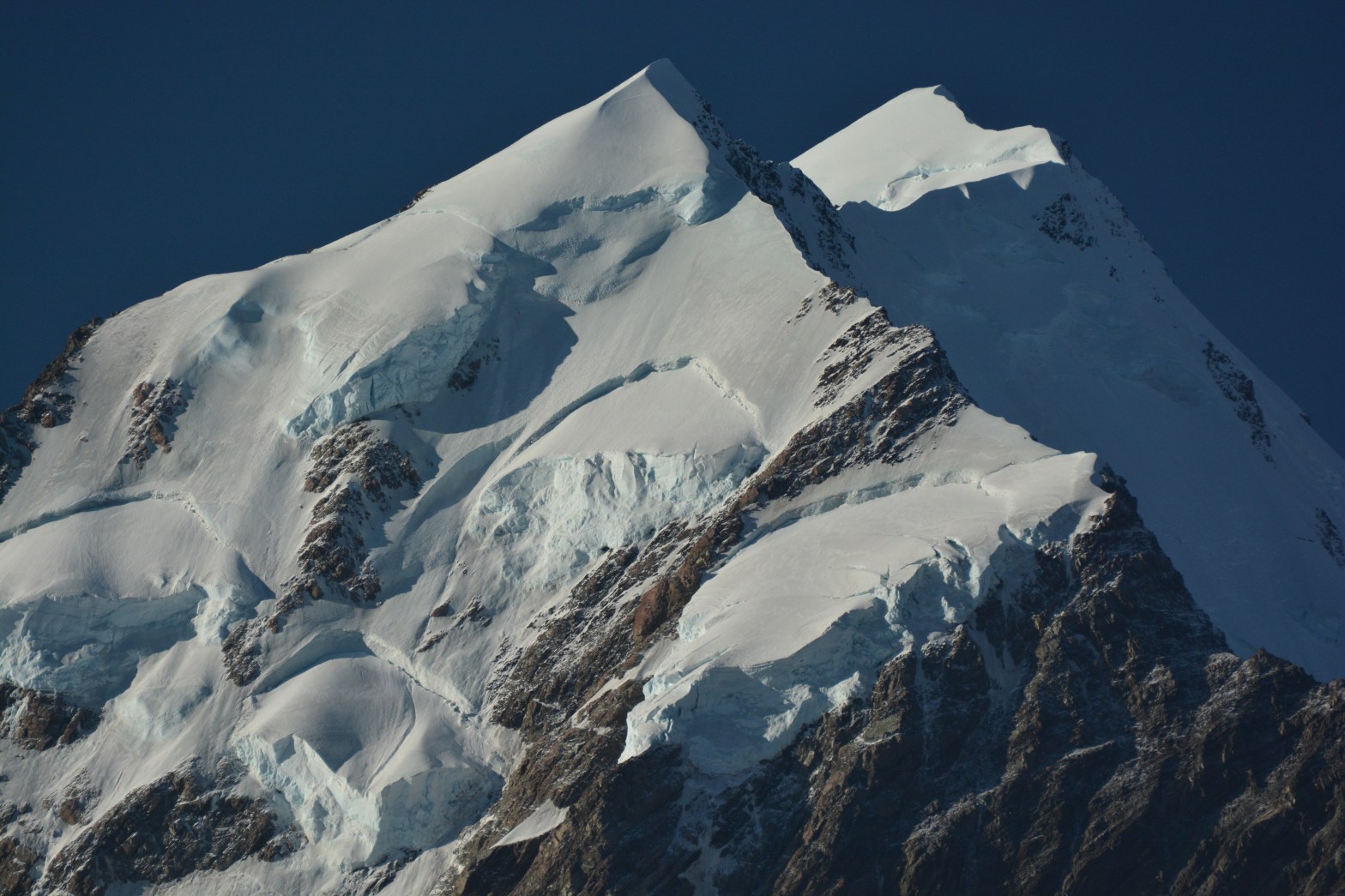
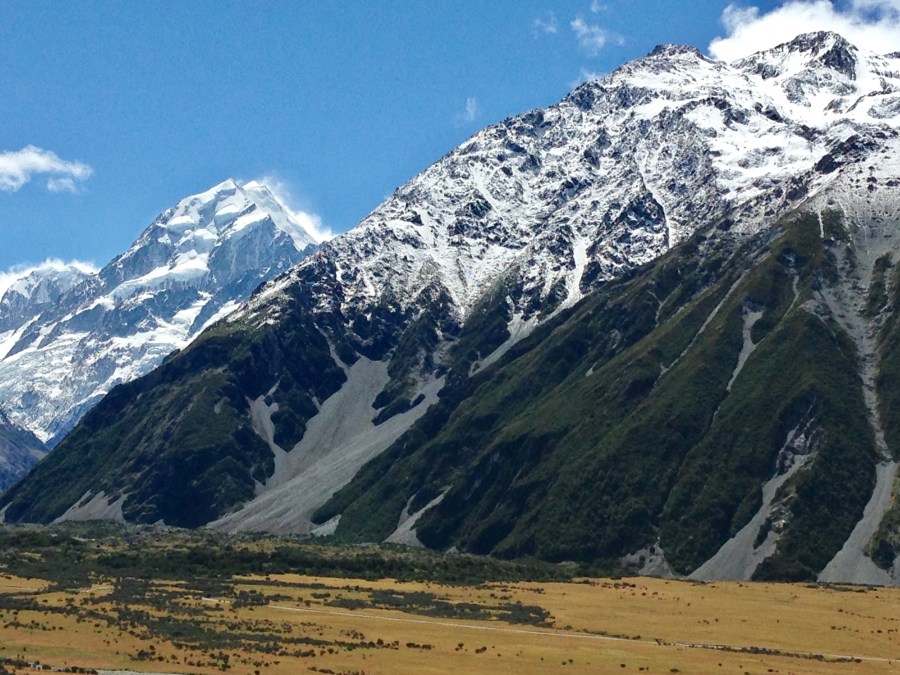
It was here on Mount Cook that (Sir) Edmund Hillary learned to climb mountains. He left the family bee-keeping business to follow his skills and strength. And, as they say, the rest is history. Mount Cook has many faces, many faces each and every day. This morning it was gray and shrouded in low clouds, then the sun revealed it in a glorious radiance and now we are seeing it enveloped by clouds forced in and over it from the Tasman Sea. The following images are taken from the Hermitage Hotel where all rooms face onto the valley, the eroding low mountains, and then to Mount Cook dominating the valley. Talk about a room with a view!

IMG_0244
From this vantage the distant mountain, the closer mountains and the eroding slopes of lower mountains all show well across the flat valley. The valley is just the surface of a deeper valley now filled with eons of decayed mountain. This range is still rising yet eroding at a similar rate. It is essentially stable in height as the two factors balance each other out.
DSC_0863
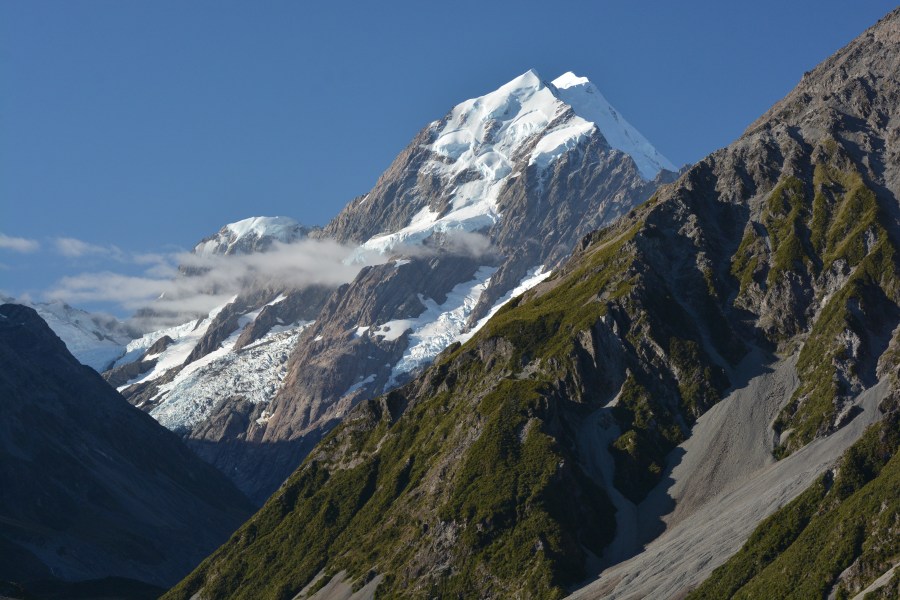
In the summer, or especially at the end of the summer, the snow line has climbed up the range a bit. Summer here is November thru March so in early April the snow is at its annual minimum. The winter sees an increase in snow levels, but overall the snow is thinner and the glaciers smaller than they have been in the past.
DSC_0868
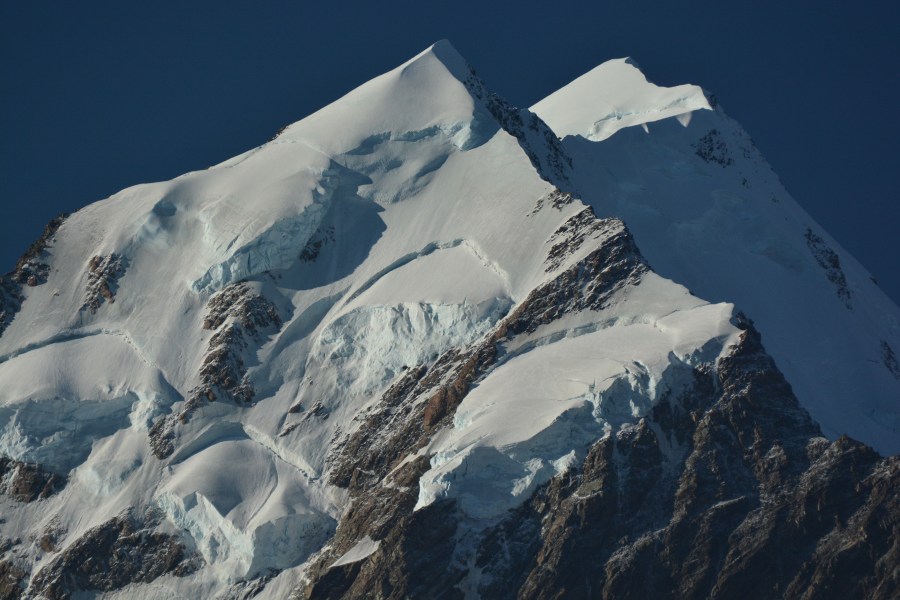
Mount Cook itself is a formidable climb. Loose rocks, steep slopes, snow and ice work to make each assent a dangous undertaking.
DSC_7325
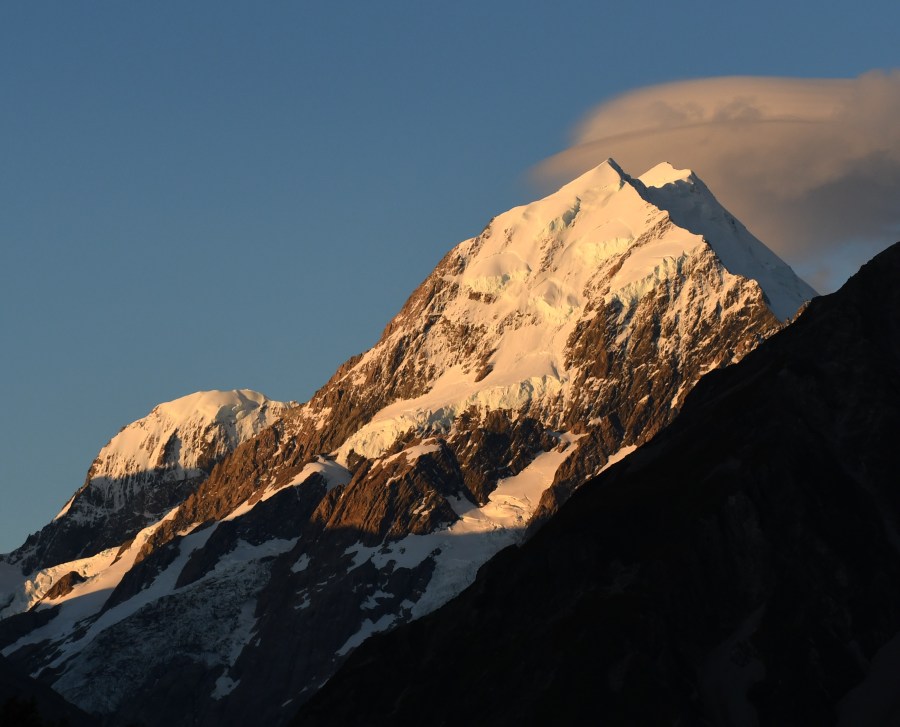
The setting sun reaches the top of Mount Cook as descends in the west providing right light and memorable views.
DSC_8869
As with many places perfection is rare. There are clouds here most days and a good deal of rain comes in from the fjord-side of the mountains. The western side of the Southern Alps can average over half and inch of rain a day in some places. Though the mountains wring a great deal of the moisture out of the clouds quite a bit appears on or near Mount Cook as either rain or snow.

The very hot center of Australia

Please consider all images as copyrighted – thank you. Contact me for use… DEClapp

We are about to leave Alice Springs and Uluru in the very hot center of Australia heading for Sydney along the southern east coast.  It has been exceptionally hot here in the middle of the country with day time temps about 40 to just over 44 degrees centigrade. That is about 103 to 112 Fahrenheit. The skies are  clear and the wind is gentle. The mornings out here are pretty nice until about nine when the heat kicks in. The wind doesn’t help at all. It is glaringly bright and very hot.

australiamap

Alice Springs is a town in the center of the country about halfway between Brisbane and Perth on the east-west axis and Darwin and Adelaide on the north-south axis. About like Kansas City is to Los Angeles and Washington DC and then maybe Houston and Detroit. It is arid but not desert. The remnants of the ancient Petermann Mountain Range still trail across the ground. They form the MacDonald Ranges and provide red sandstone layers, now compressed to a hard glasslike quartzite rock, that has been pressed and bent by the earths ever-moving plates into vertical sheets. The mountains were formed about 500MYA out of sea sediments deposited as much as two billion years ago. Ancient stuff. The redness come not from the stone themselves but probably from iron molecules that are transported here on winds from the Great ore deposits to the northwest. The quartzite that has developed is mostly inert and very slow to decay. These remnant mountains will be around for a while; quite a while.

Much of the ancient mountain range is now worn down to modest nubs. They were part of a very tall mountain system and now look, as the aboriginal people say, like a series of caterpillars marching across the landscape head to tail. About 70MYA there was a burst of molten dolorite from in the earth that seeped and spurted into the weak areas of the range. The intrusions (dikes) have now eroded away leaving narrow gaps between the ranges (or caterpillars). These gaps were used by the first peoples as passageways and in some cases by specific groups for special reasons. That means there were gaps for men and different gaps for women, as well as for short cuts and travel ways. The landscape is divided into men’s business and women’s business area just about everywhere. The area might be called desert to make it easy. This desert is highly vegetated with acacias, eulcalypts, mulga, and various Spinifex grasses.

olgas

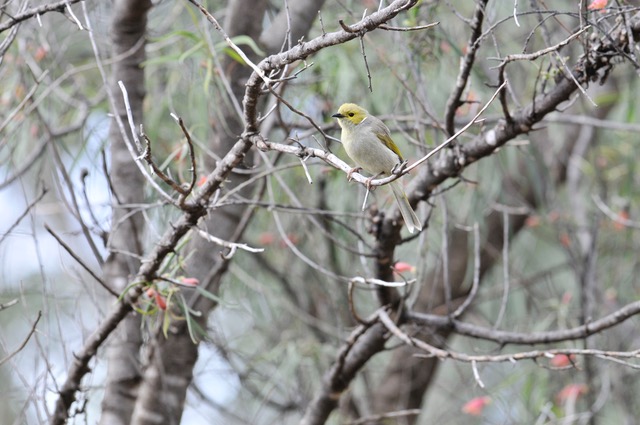
There are a few reptiles and mammals out here but the visible life is bird life – and not much of that in the hot air of day time. The mammals are pretty much nocturnal as are many of the reptiles. The occasional lizard can be seen but the big snakes and perentie and goanna lizards are not commonly seen in the day light. Birds are active in the morning and evening with much less activity between ten AM and five PM. However, there has been a great deal of rain here this year (about eight times the annual rate) so there has been a great deal of plant growth and flowering. This has encouraged birds to nest. The common species are very common at the moment. Species like Singing and White-plumed Honeyeaters, Willy Wagtails, and Zebra Finches are pretty common because of the recent weather.

honeyeater
White-plumed honeyeater
wagtail willie
Willy wagtail
finch zebra
Zebra finches

On Boxing Day, the day after Christmas there was a one day rain event of almost ten inches, which is the amount usually seen in one year. When I was here a couple months ago the Todd and Fiske Rivers both had water in them, very unusual.

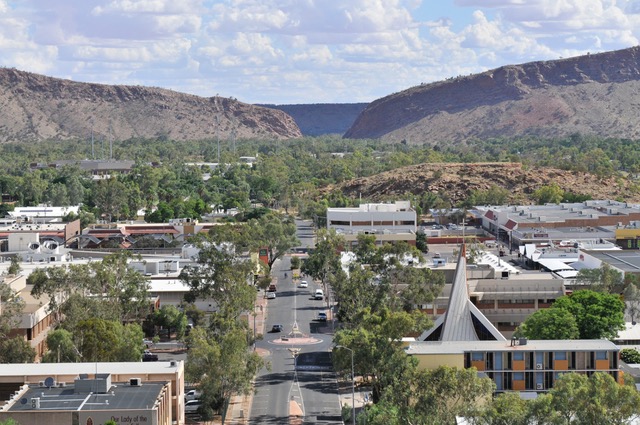
Our first day in Alice after landing has us driving up Anzac Hill to get a view of the town and the Ranges and then visiting the Royal Flying Doctors Service, the School of the Air, and a reptile place. The reptile place is a time filler and the other two are better but give you the feel they are fund raising. Both the RFDS and the SOTA are invaluable in this huge, remote area where the average ranch (station) is a million acres and often a hundred miles from the nearest town. Kids get educated over the web by teachers in an Alice studio and sick or injured are flown to needed medical aid stations in Pilates planes outfitted as emergency rooms. Both great services.

anzac hill
Anzac Hill


alice
School of the Air

The town has a visible aboriginal population. There is little assimilation and quite a contrast in the life styles of the various people. The aboriginals can be linked genetically to people from Sri Lanka and are the world’s oldest cultural group by far. They arrived in Australia at least 40,000 years ago. That is well before Chinese cultures and about 35,000 years before agriculture in the Tigris-Euphrates River Valley. Though they were not a unified people by any measure, they were successful in a difficult environment and adapted as they needed. Forty thousand years allows for as many as 2500 generations. Generations that got better and better at living in Australia’s out doors. Perhaps some of those adaptations are responsible, through genetically induced behavior, for the remaining differences in the cultures. The aboriginal people may be suited for wandering, hunting, gathering, oral memory, and such, but what makes them good at those activities may limit their ability to live a sedentary life limited by cultural rules and actions that they never developed or experienced. Whatever, or however, the aboriginals remains noticeably different from the usual Australian in looks and cultural behavior.
We stop to eat at a local mall where our travelers can get a close look at life in Alice. The mall has locals of every stripe, stores of a modest level, and a couple places to grab a sandwich. It is a quick look at life in the Outback.

alice ranges
Alice Springs

We then check into the hotel and give the folks an hour or two before taking them out to a bush barbecue where John and Cath entertain and cook, Tim sings, and Andrew does the stars. It is a fun night and this time the Southern Cross was high and bright, the Magellanic Clouds floating above us, and the Milky Way a pathway of billions of stars overhead. It was very nice.

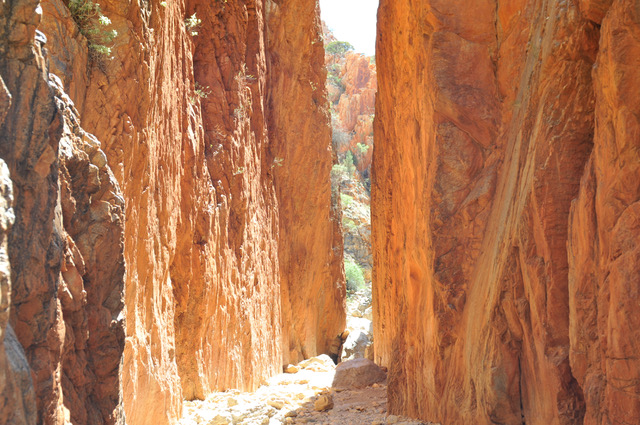
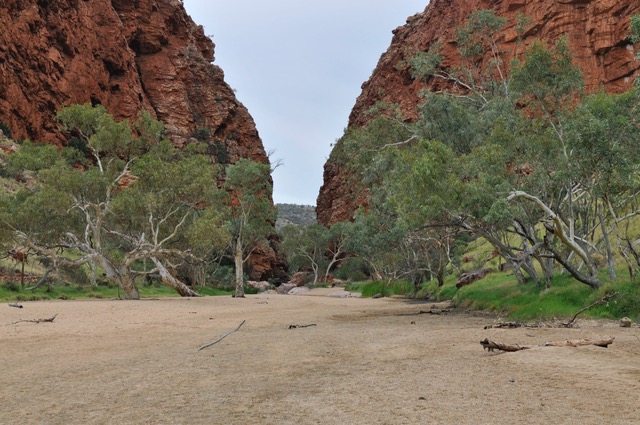
The next morning we provide a three hour visit to an aboriginal setting in the bush where Con does a talk about local people, the local Arente women are painting on the ground, and bush tucker (food) and aboriginal weaponry are shown. It is a very good outing. We then head for Standley Chasm where we walk for an hour into one of the eroded dolorite cracks in the reddish quartzite rocks. Is a very narrow slot with walls a couple hundred feet high. The trail is up a drainage (rarely wet) past several types of eucalyptus and lots of rather local cycads. It is very pretty. There is a small entry building to this area and a lunch is served for us down there. There are nurse logs, termite-filled trees, magnesium-dioxide coated rocks and great views of the quartzite walls all along the walk. After this we head to Simpson’s Gap for a quick walk into a larger gap that has a little bit of water pretty much all the time. The return walk can be up the dry riverbed dotted with large Red River-Gums. Then back to the hotel with a short break and then dinner and a presentation by me.

aboriginal bush tucker
Bush tucker kangaroo tail
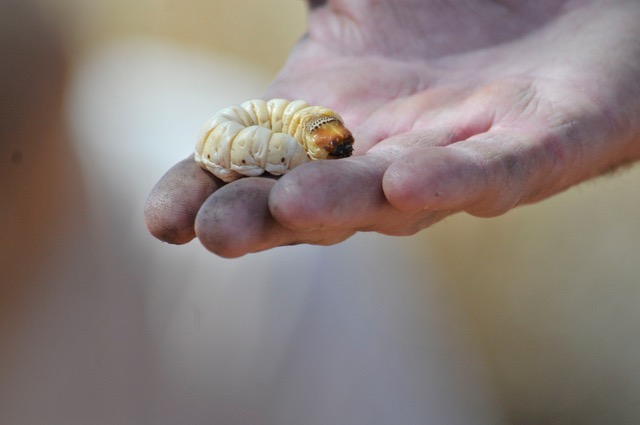
aboriginal witchitey grub
A tasty bush tucker snack
standley
Standley Chasm
simpson's gap
Simpson’s Gap

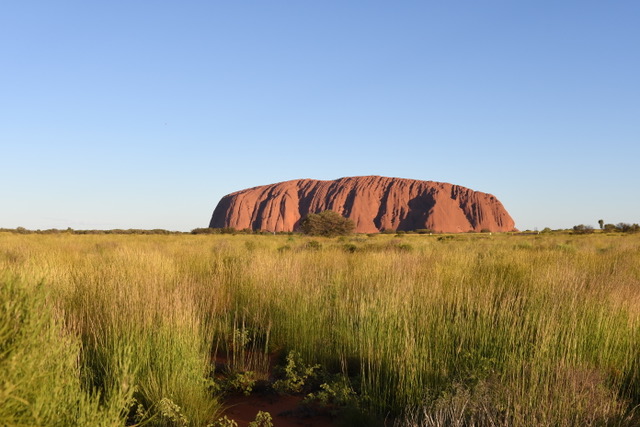
The next day we drive, in a big coach, to Uluru where Ayers Rock is located. This trip has a couple stops at Road Houses for bathrooms and snacks and a chance to buy a frozen kangaroo tail (though no on ever buys one). We look over Mount Conor and the huge Amadeus Basin as we travel south and west. Soon we see the great rock fins a thousand feet above the landscape and by 1:30 we are in the hotel. But, rooms are almost never ready so we have lunch and then to the rooms for a very quick break as we head out into the national park at 3:00PM.

This trip my room was ready and close to reception and I got one of the free washing machines on level two and had a load of laundry washed and dried before our afternoon outing. We did start a tour of the area at three PM and went to the cultural museum and drove around the rock. Our driver is allowed to interpret what the aboriginals allow us to know of their creation stories and Tanya did a fine job. About forty minutes before sunset we go to a parking place for coaches (there is another for cars) to watch sunset on the rock. There are carrots and dips with soft drinks and champagne, cheese and crackers finish off the spread. It is kind of nice but there are hundreds of people there and the lot fills with tourist buses. We then drive back to the hotel for a very rich and filling dinner.

DSC_6806
Ayres Rock

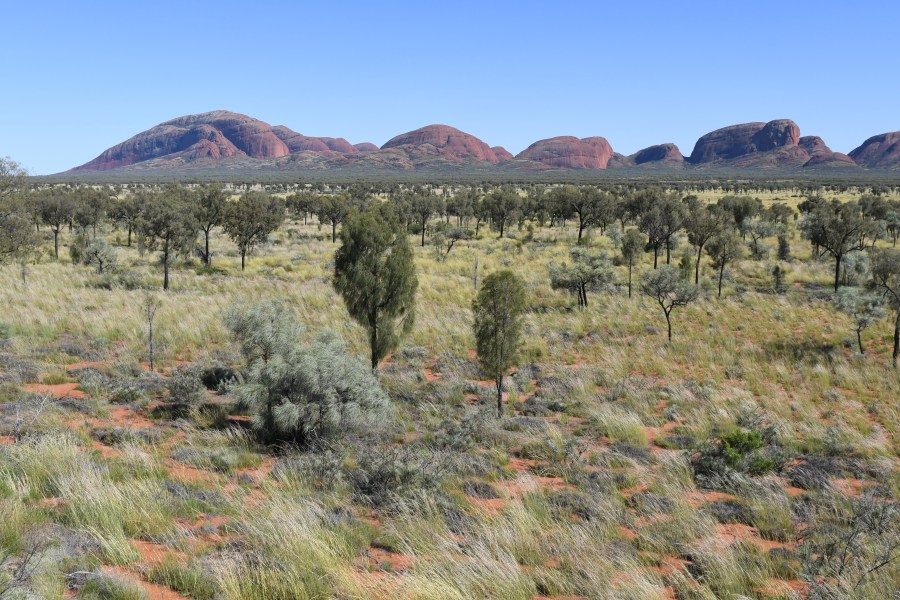
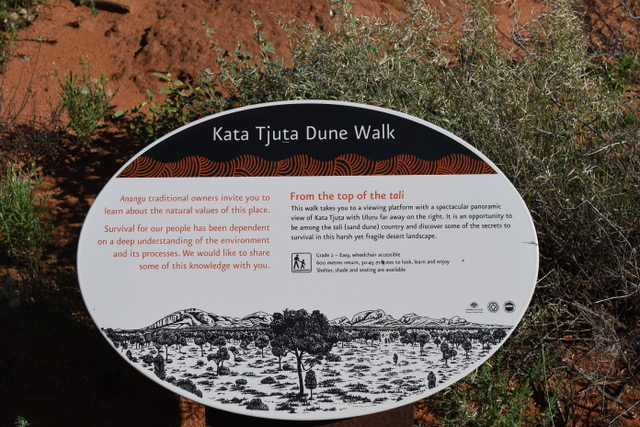
The next day, before getting on a plane to Sydney we visit Kata Tjuta or The Olgas. Uluru, Ayers Rock, is a massive block of hard sandstone and Kata Tjuta is a group of 36 conglomerate rock features about the same height as the rock. Much of this area is off limits due to men’s business but it is usually too hot to walk much anyway. It is an impressive site.

DSC_6859
Kata Tjuta


DSC_6842

We then head to the Ayers Rock Airport and fly to Sydney. Tom, the luggage guy (originally from Nebraska) and his helper/buddy Udo meet our plane and gather our luggage. It is similar to what Dave does for us in Cairns upon departure. It makes things go smoothly although Americans get nervous if they can’t grab their own bag. The flight to Sydney is three hours and this time we used Virgin Australia, which is certainly a step up from JetStar, Qantas’ budget service which we usually fly. A couple people had to pay for an extra bag ($70!) but that is to be expected nowadays I guess.

The next installment will be written on the flight from Sydney to Christchurch in New Zealand and will describe our time in Sydney.

Michelmas Cay has lots of birds

Please consider all images as copyrighted – thank you. Contact me for use… DEClapp

The Great Barrier Reef is a world icon; it can be seen from space, it has hundreds of separate coral heads, it has islands, and hundreds of animals (mostly fish) in each and every reef habitat. It is both continuous and a broken chain. It is quite grand. The Smithsonian Journeys tour groups spent a day traveling to and from Michelmas Cay from the harbor in Cairns. It is a long and, usually, glorious day.  This post describes the most common bird species of the cay. Michelmas is a protected area where thousands of ocean-going terns nest. The majority are Common Noddies (Common or Brown Noddy) and Sooty Terns. These two species are pelagic, coming to land only to nest. There are also a few thousand pairs of Greater Crested Terns and a couple hundred Brown Boobies.

Humans are welcome at Michelmas only if they are brought by a permitted boat and only if they stay inside the narrow confines of a heavy rope laid in the coral sand. The birds get to go wherever they want. The water’s edge is lined with sooties and noddies the whole of our visit.


DSC_6369
Typhoons can batter the outer portions, the eastern edges, of the Great Barrier Reef. Michelmas has suffered greatly over the past decade. When I first started to visit the Cay there were rolling dunes covered in grasses. In the past three or four years the dunes have been taken by the sea and the Cay (with thousands of nests) has been washed over by a storm driven sea. The cays are ephemeral for sure, but that doesn’t make it any easier to watch.
DSC_6433
The bigger birds in the foreground are Brown Boobies. The concentration of gray birds just behind them are predominantly Greater Crested Terns.
DSC_6410
These images are of a Common Noddy at a nest (above) and perched near to a nest on a post. Throughout the bulk of the year these birds are at sea feeding and resting on or above the water. There is also a Black Noddy but that is a very rare bird at Michelmas.

DSC_6468DSC_6418

DSC_6447
Greater Crested Terns have increased greatly over the past decade on Michelmas Cay. The gull just out of focus in the rear is a Silver Gull and is rather common along the mainland shore but not very numerous out on the Cay. Gulls, overall, are not a dominant avian feature of the Southern Hemisphere.
DSC_6603
Sooty Terns are starkly black and white. There is a white patch between the top of the beak and the forehead and the undersides are nearly pure white.

DSC_6680

DSC_6692
This Great Crested Tern is returning from a fishing foray. The fish will likely go to a youngster but sometimes it is delivered, by a male, to an incubating female. This fish is not identified but I have often seen this species return with small flying fish.


Sydney has a lot to offer

Please consider all images as copyrighted – thank you. Contact me for use… DEClapp

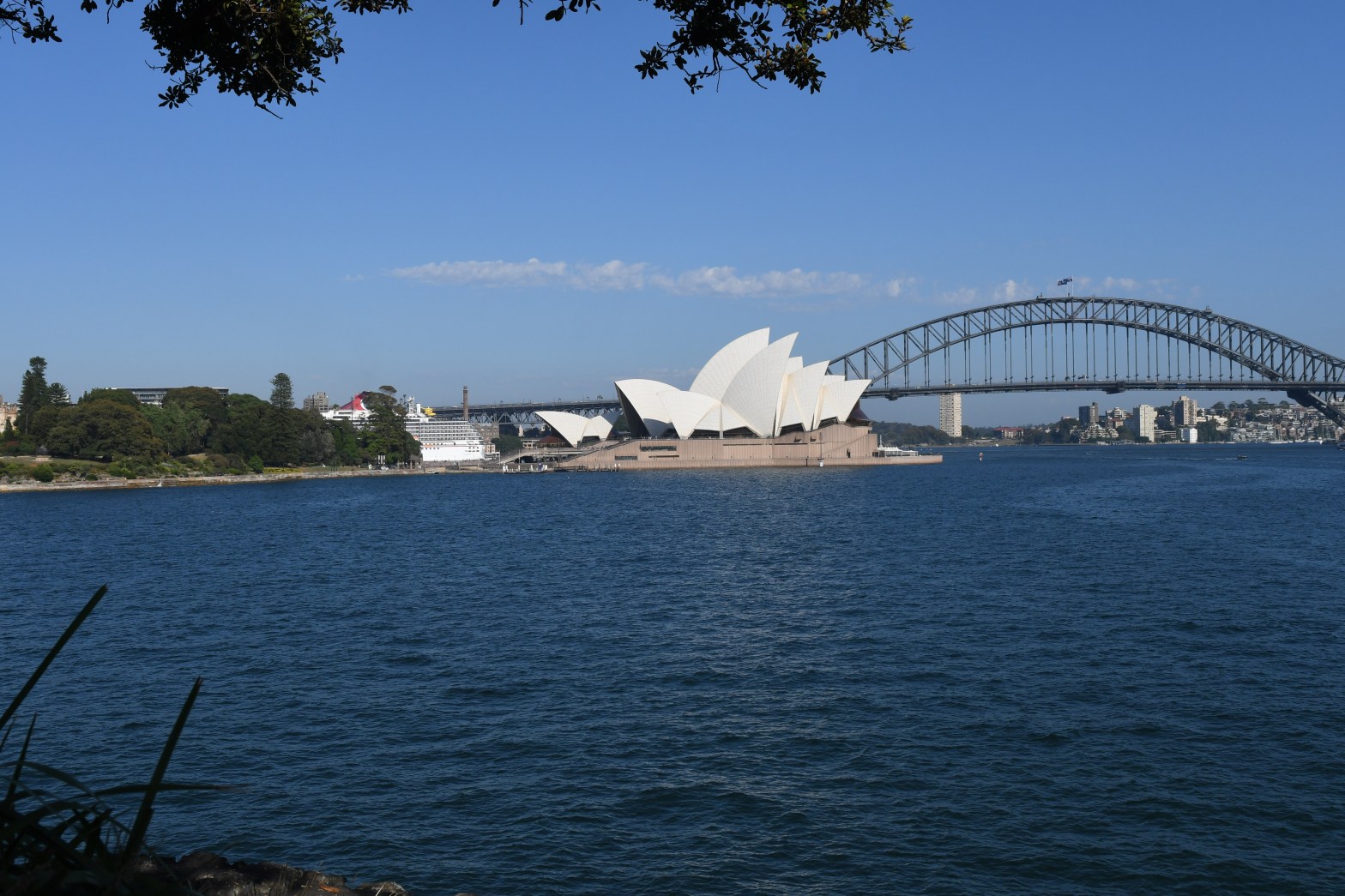
Sydney is a nice city; I like the extensive park lands but the city itself is cut like a fern leaf by a collection of bays and inlets. It is truly a water-based town. In the morning thousands of commuters arrive by ferry as well as by car and bus. The best access to the zoo is by boat and a two-hour lunch cruise will be a highlight of any visit.

DSC_6951
When Cook (Lieutenant Cook at the time) first came to the coast he missed the opening into what is now Sydney. The Endeavour went on to Botany Bay. When the “first fleet” arrived with the “settlers” they also went to Botany Bay but soon found this harbor which provided fresh water – something not found in Botany Bay. There is both a North Head and a South Head that provide corners to the access into the bay from the ocean. These are are also scenic highlights of a city tour. Bondi Beach to the south off the opening and Manly Beach to the north are the two most famous of Sydney’s beaches.
DSC_6996
The two harbors (Circular Cay and Darling Harbor) are very agreeable for tourists to wander and for dining. The ferries come and go day and night and the commuters hustle on and off the boats. They are hives of activity and both should be visited.
DSC_6989
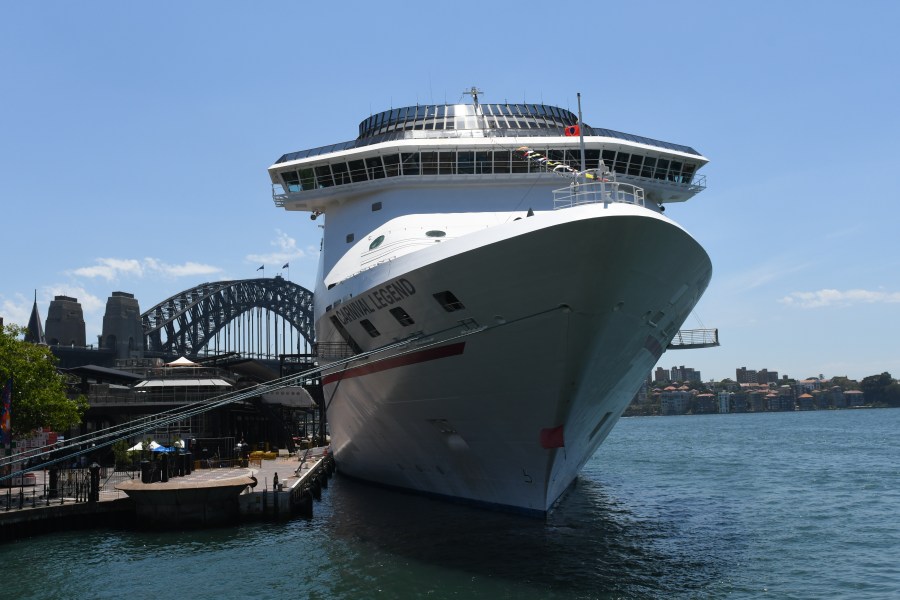
Circular Cay has a cruise ship pier and often has a large vessel in for a short while. Usually they pull out in the early evening and slowly depart past the Opera House.
DSC_7027
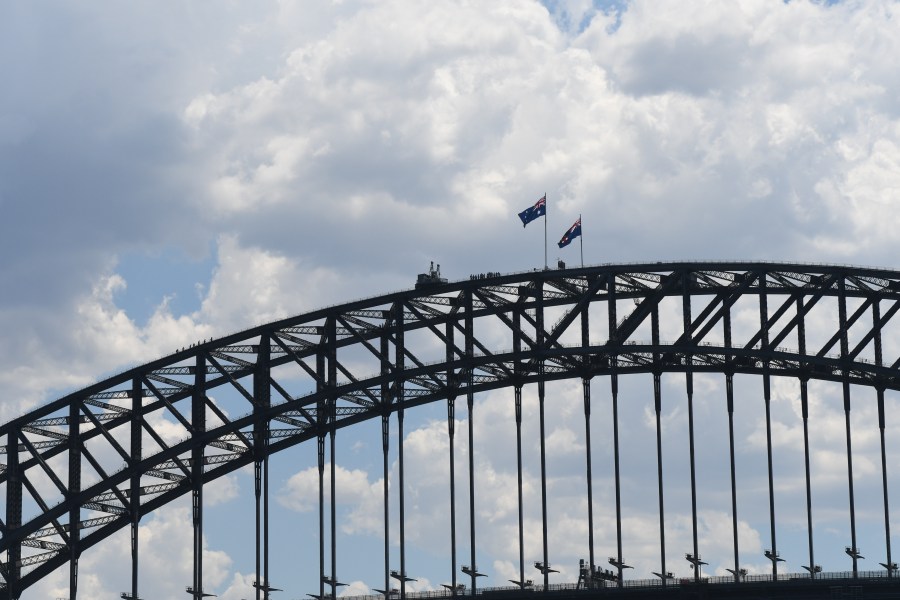
The Sydney Harbor Bridge, “the coat hanger” is not only a majestic part of the town it is also an attraction for thrill seekers. Walking to the top of the bridge isn’t inexpensive and is often a bit windy but the views are spectacular. You are in a jump suit, no cameras or jewelry, and attached by carabiners to stout cables.
DSC_7045
Though Charles Darwin was not in Australia very long it had an impact on his thinking about plants and animals adapting to specific habitats. The city was young and a bit squalid, he was not impressed with the local tribal folk, but he remembered the odd animals and unique plants and eventually factored that into his thinking on “natural selection” the determining factor behind his theory of evolution.
DSC_7052
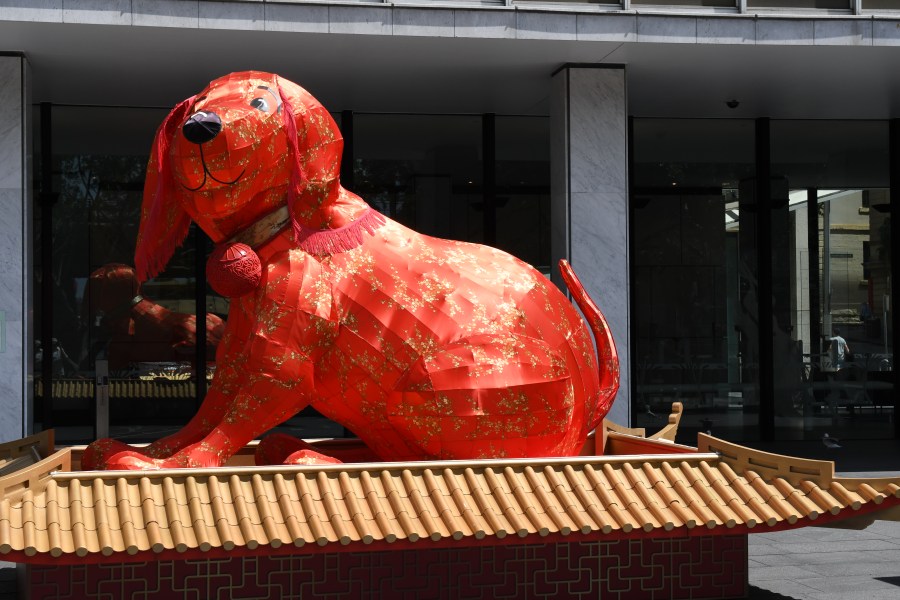
Australia is a country/continent of the western Pacific. It’s neighbors are Indonesia, the Koreas, Japan, and China. The Chinese have had a couple boom decades and are now regular visitors to the east coast of Australia. The Chinese New Year’s celebrations in Cairns and/or Sydney are quite festive and attended by thousands of mainland Chinese.

I will be doing several posts on Australia and New Zealand – Alice Springs, Cairns, the Great Barrier Reef, both the North and South Islands of NZ, the Maori people, and the geothermal activities of New Zealand’s North Island. Oh, and maybe a bit on the earthquakes recently on the South Island.

A Few Louisiana Reptiles

Please consider all images as copyrighted – thank you. Contact me for use… DEClapp
dsc_3634
The flat soft shelled spiny turtle was widespread and common. There are many forms of this turtle from many drainages.  The flat shell and pointy nose are characteristic.
dscn3418
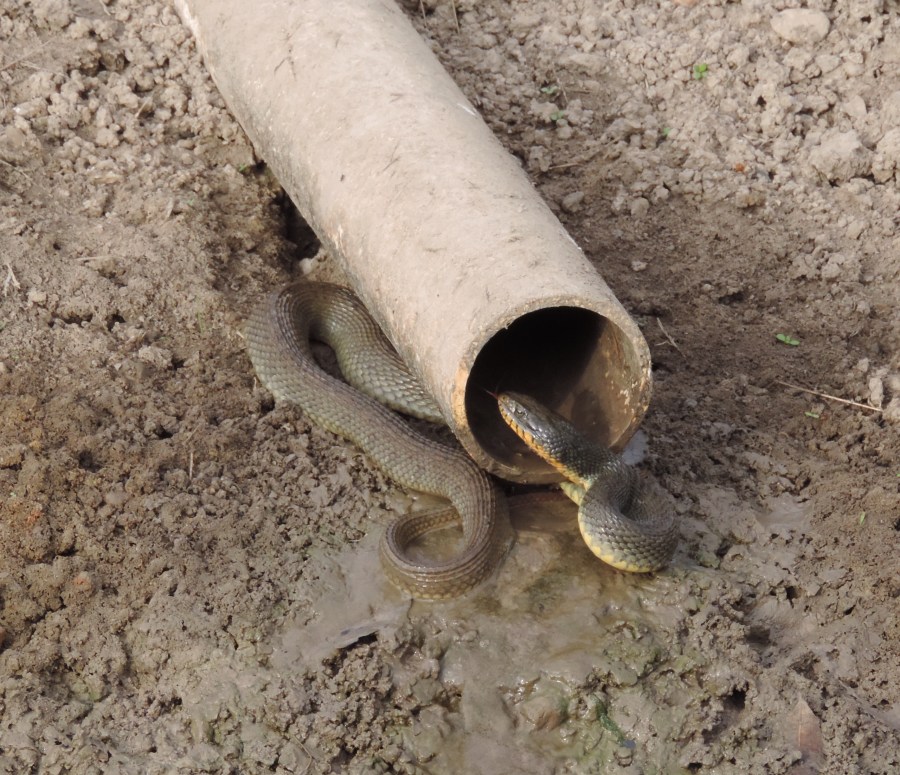
Water Snakes are another widespread form.  There are several populations throughout the ease all the way up into New England.  They are not poisonous but also not pleasant.  This image was taken by Fran from the car window.
dsc_3649
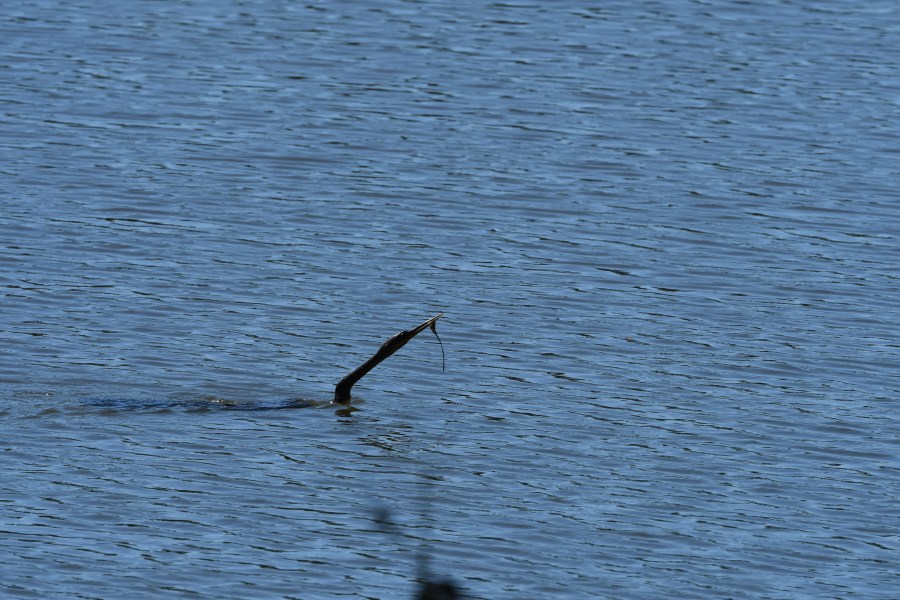
The Anhinga most assuredly is a bird, but it is often called the snake bird and this image captures the reason for that nickname. They are somewhat cormorant like in many of their behaviors.
dscn3493
The Ribbon Snake is widespread and very similar to the equally widespread Garter Snake.  The long lateral stripes on the Ribbon Snake are very crisp and those on the Garter Snake are a bit smudgy.
dsc_403810
Alligators are in pretty much freshwater wetlands these days.

Centenary Lakes – Cairns, Queensland, Australia

When arriving in Cairns I usually get some time to go birding and often choose the nearby Botanic Garden and Centenary Lakes. There is a mix of brackish water and fresh water with lots of birds, tropical vegetation, and occasionally salt water crocodiles.

Here are a few images from February 2017.

Please consider all images as copyrighted – thank you. Contact me for use… DEClapp
DSC_5867
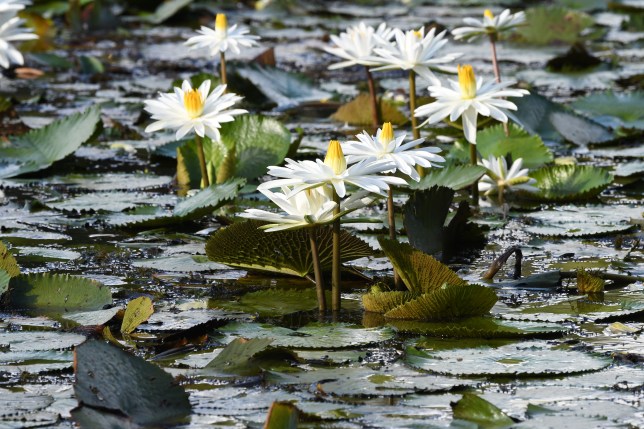
 The lakes are easily reached by taxi or on foot and are a pleasure any time of year. The flowering water lilies are an added bonus to a mid-summer visit. The adjacent botanic gardens has a very nice cafe and has trails as does the lakes area. In addition there is a connect ting boardwalk that takes you through a paper bark woodland as well as a pandas palm wetland. It is worth a visit.
DSC_5924
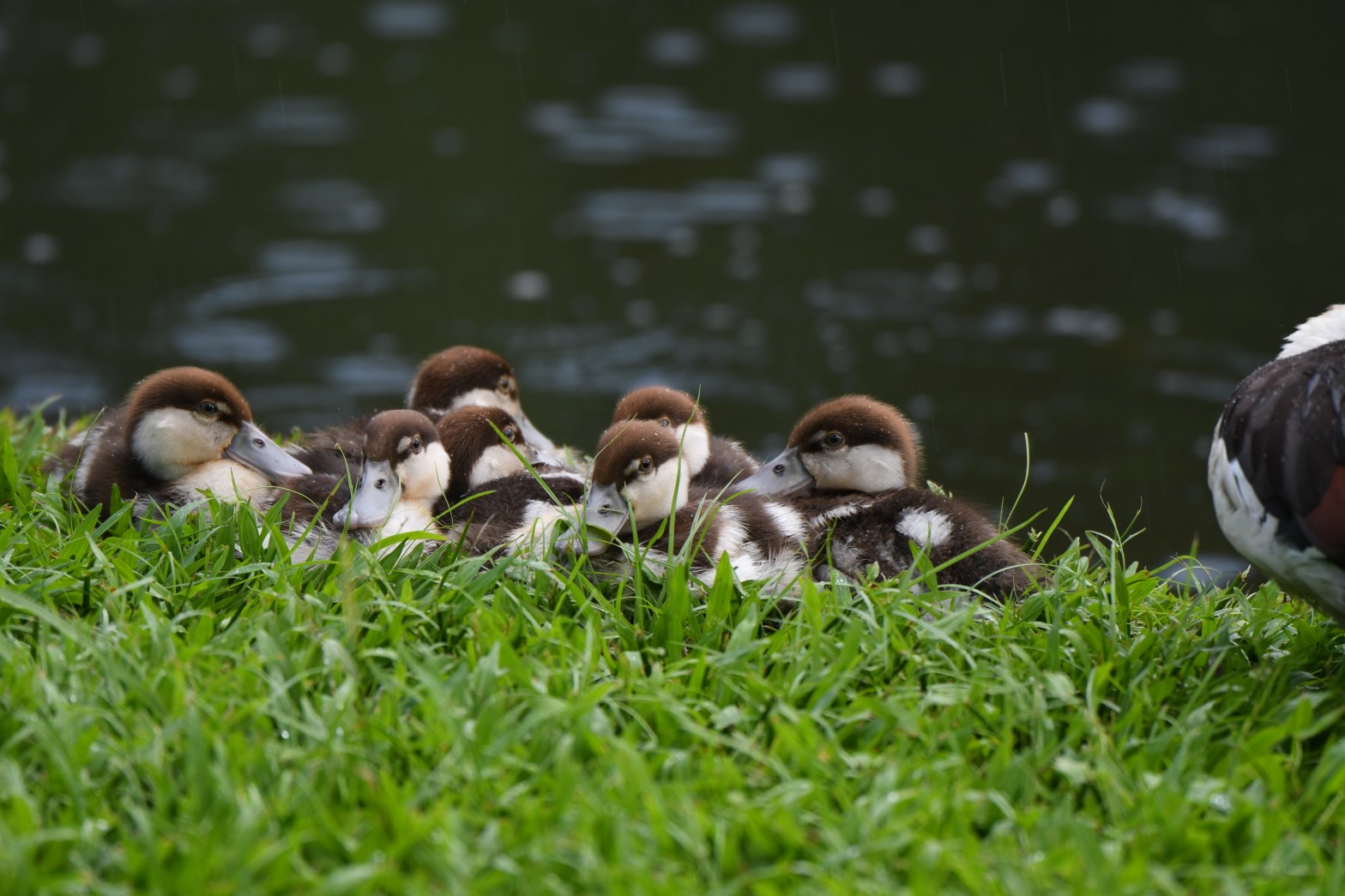
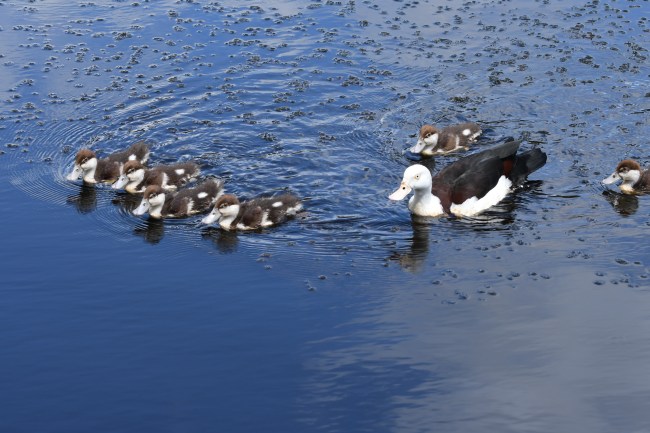
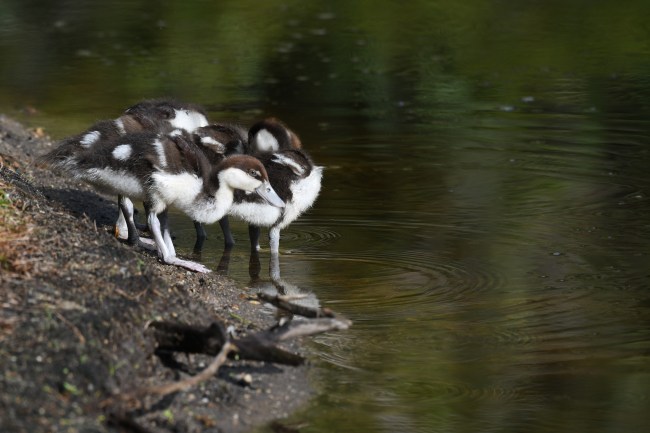
The ducks and duckling shown here are Rajah Ducks. The seven youngsters are growing in a very public place and will likely be rather tame/accommodating as they get older.

DSC_6118

DSC_5996

DSC_5950

DSC_5964
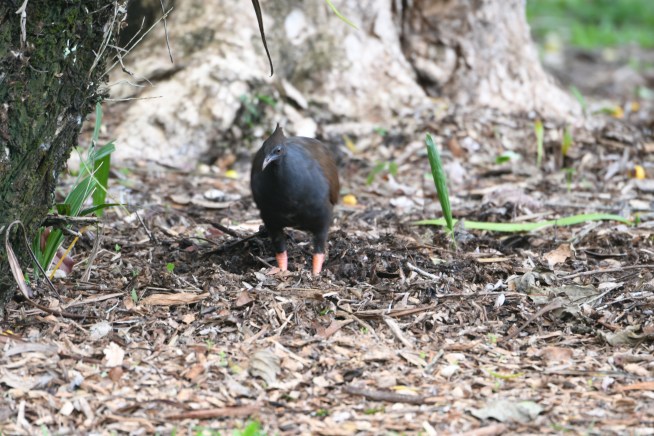
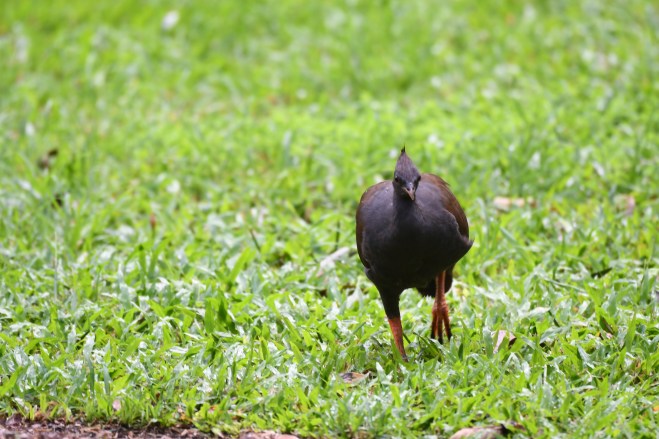
The orange-footed scrub fowl is always on the move. They are very busy scraping the leaf litter and scattering leaves; so much so that getting a photo is difficult even though they allow rather close proximity.
DSC_5979
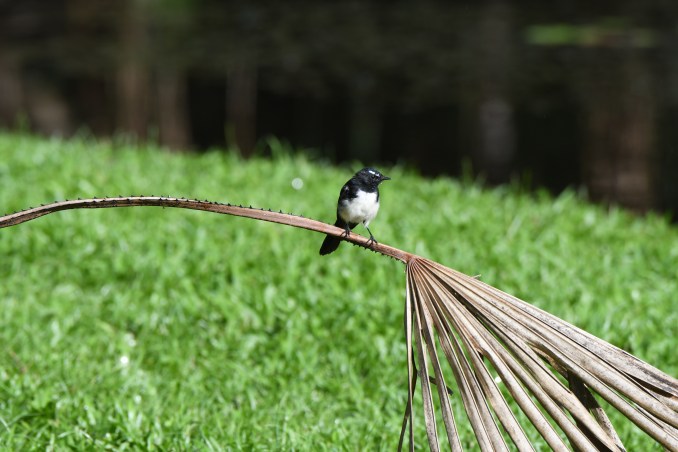
The willy wagtail is sort of the chickadee of Australia.  They are pleasant, tame, active and seemingly friendly.
DSC_6066
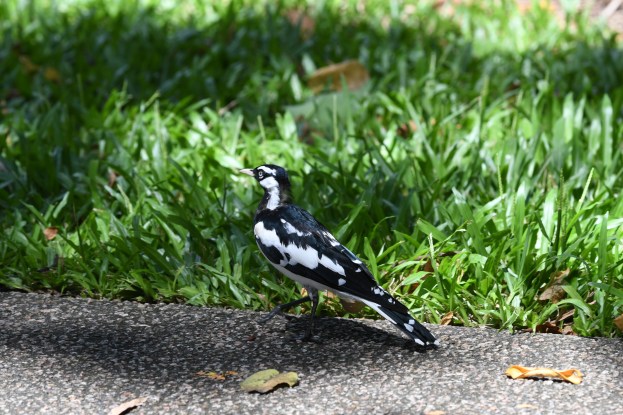
The magpie lark is another of the common residents throughout much of Australia. They are often on the ground strutting about. 


Cape Cod Marine Mammals

Please consider all images as copyrighted – thank you. Contact me for use… DEClapp
MA humpback
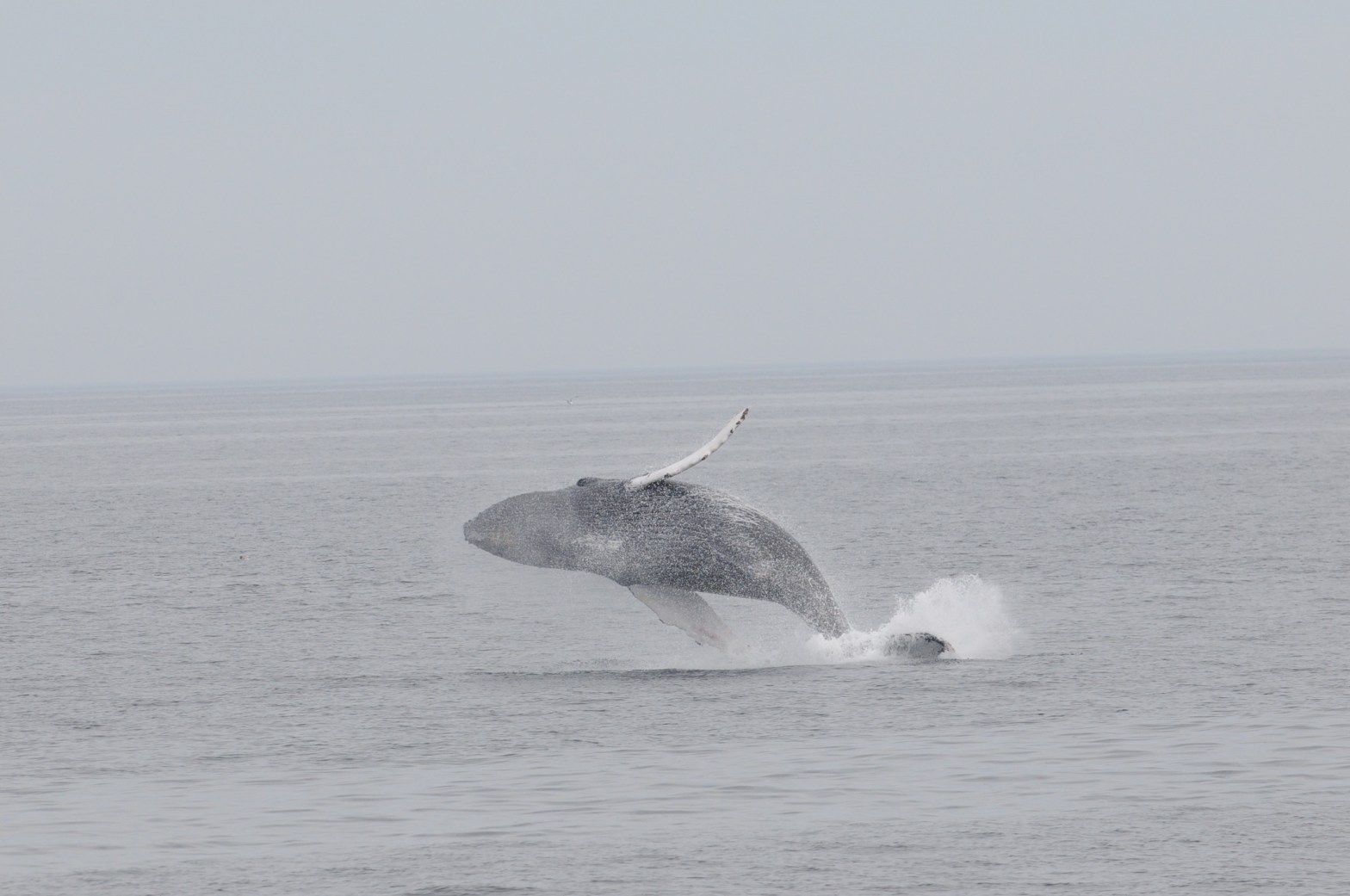
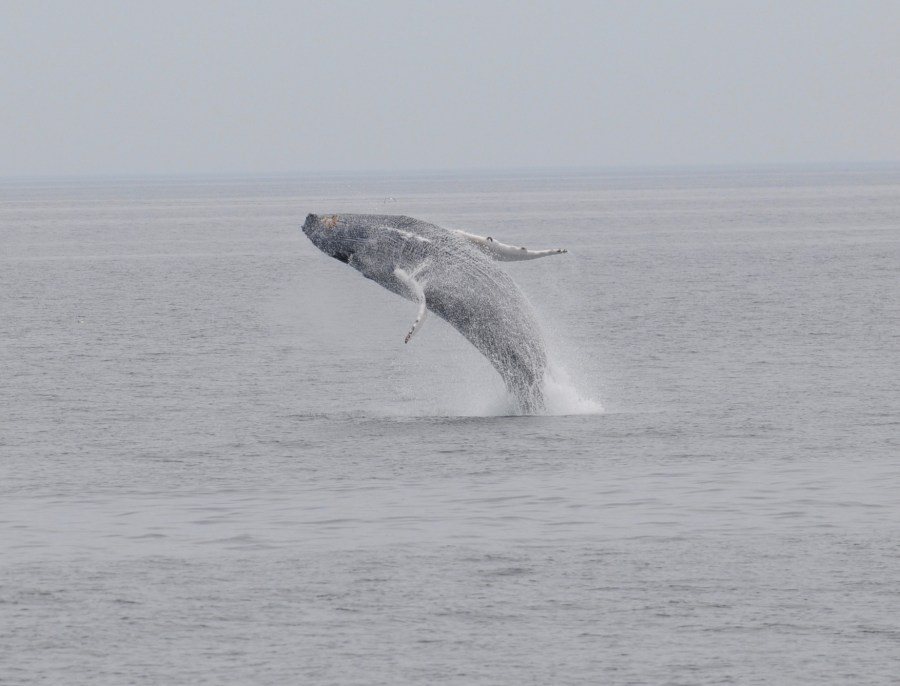
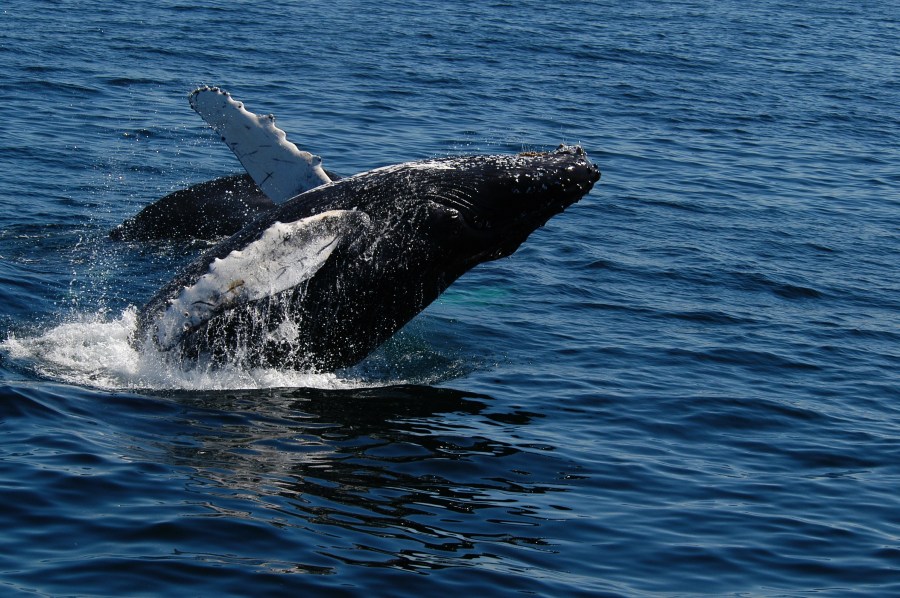
Most of the marine mammals seen in and around Cape Cod are Humpback Whales. It is for sure that these are the animals that support the very successful whale-watching businesses out out Gloucester, Boston, Plymouth, and Provincetown. Humpbacks are often at the surface and leap, splash, roll, and feed where we can observe them.
dolphin wh-sided – Version 4
Cape Cod Bay has Fin, Minke, and Right Whales as well as Humpbacks. Smaller marine mammals also frequent the area; this is a White-sided Dolphin, one of the more common species seen.
dsc_1876
The whales (shown below) feed on various forage fish. In days gone by that would have included Mackerel, Menhaden, and various “herring”. Many, actually most, of these fishes gave been harvested beyond sensibility. These two herring are heading up a small fresh water stream to an inland pond to breed. The efforts to restore herring populations (on land) can easily be wiped out by large scale commercial fishing.
cape talk 001 (47)
The youngsters are of the most active but whales of all ages breach, tail-lob, and flipper slap. Fin and Minke Whales are poor photography subject and rarely perform or display. They simply swin past occasionally surfacing to breath.
humpback
Cape Cod whales, like many others, feed on forage fish. Around the world this could be herring, capelin, sardines, or sand launce. On Cape Cod it is usually the Sand Launce that attracts the largest number of whales. Humpbacks have a hugely expandable threat which gulps in water and fish, the water is then forced out through a fence of baleen that keeps the fish in as the water goes out.
humpback whale
Here is a look into the mouth of a Humpback Whale, past the baleen, at a few Sand Lance that will soon be part of this whale’s dietary intake

Copenhagen, Denmark

Please consider all images as copyrighted – thank you. Contact me for use… DEClapp
dsc_0201
What great piece of mall-art. The flow of schooling fish is much like the flight of starlings going to roost; tight, crowded, symmetrical, artistic, and simply amazing. This display was a very pleasant surprise.
dsc_0213
Scandinavia overall, and much of Europe, has bike lanes that are full of two-wheeled commuters during rush hours. These are not leisurely bike paths these are the main route for many many people, both sexes and all ages, to get to work. Some urban locations have no parking lots for cars but only space for bicycles.
dsc_0249
As you might expect there isn’t much wildlife in the rather densely populated (with humans) area in and around Copenhagen. The Coot was a regular on the water throughout the region however.
dsc_0273
Much as we have crows and jays in suburban and urban habitats so this part of the world has its own Corvids; this is the modestly sized Jackdaw. The plush gray (or grey in Europe) head and the bright eye make this either an attractive or a bit evil looking bird; depending on you mood.
dsc_0331
This is a gull – the Common Gull. It is closely related to our Herring and Ring-billed Gulls; but then again all gulls seem to be related. Gulls are an evolutionary process that we are glimpsing from somewhere in the middle. They are a group that overlaps among types/population/species in manners that make many menbers impossible to definitely  attach to a species.
dsc_1963
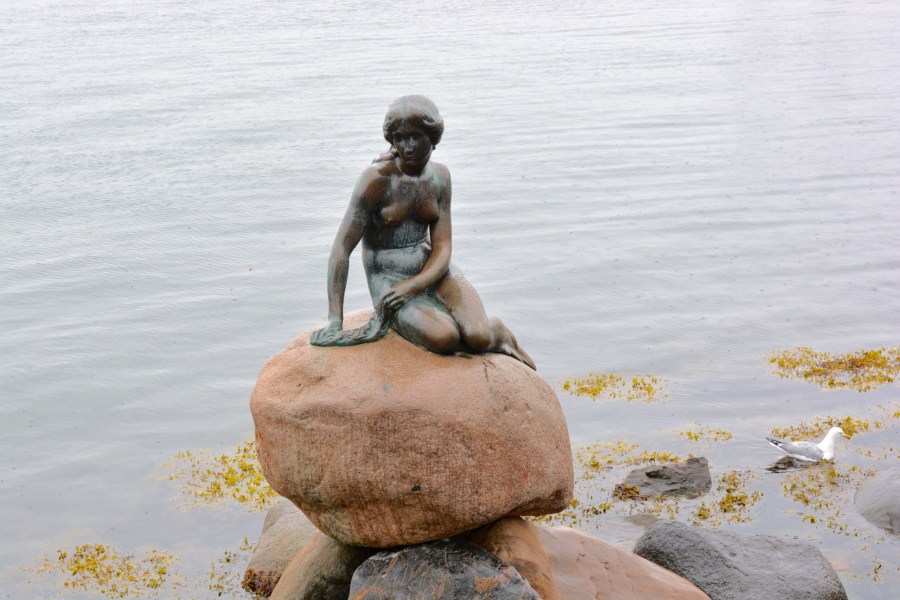
And no visit to Copenhagen would be complete without a gull in appropriate habitat – no I really mean without a visit to the tiny, iconic statue along the shore. The Little Mermaid probably gets rained on as much as any European statue, but she remains delicate and attractive in in the wetness.