Please consider all images as copyrighted – thank you. Contact me for use… DEClapp
This is the first of several pages on Alaska. I was just there (May-June 2017) for just over three weeks with a tour group** and then touring/birding with Fran. It was grand – In the Southeast we traveled from Sitka to Petersburg to Juneau and then after the tour, I flew north to spend time out on the Seward Peninsula (Nome), then down to the Denali (Mount McKinley) area, and finally to the very beautiful and livable Kenai Peninsula. The next ten blogs or so will speak to the various areas of this great state and to the geology, birds, mammals, and scenery of the region.

- Sitka Spruce dominate the coastal forest along Alaska’s Southeast peninsula. There are mountains to the east which keep Alaska and western Canada quite separate. There are only three passes through the mountains and only one sort of main road. Most of the Southeast is serviced by ferry lines and float planes. But that only enhances the remote feeling that the state exudes.
Alaska is certainly a state of majesty. The superlatives are unending; 3,000 rivers, 3 million lakes, 34,000 miles of coastline*, 425 times the size of Rhode Island and with a lake as large as Connecticut. But for many it is the scenery and wildlife that compels a visit. The state encompasses about half of the west coast Canada and then runs northward with about one-third of Alaska inside the Arctic Circle. Ever drive across Texas; Alaska is twice as large. As a matter of fact it is a bit larger than Texas, California, and Montana combined. Seventeen of North America’s tallest mountains are in Alaska.
*The 34,000 includes islands; the mainland coastline is about 6,600 miles.
It is our least densely populated state – if Manhattan were populated the same way there would only be 28 people on that island. In the northern city of Barrow the longest night is 67 days and the longest (summer) day is 82 days. The temps have ranged from -80 to +100. Juneau is accessible by road. Neither is the states fourth largest town, Nome. Anchorage has just under 300,000 people, Fairbanks is next with about 31,000. No other town has 10,000 people. There are several indigenous groups living in Alaska; about 15% of the population is either Indian or Native Alaskan.

- Most of the coastline is forested. When you read about bears, and there are a lot of them in these woodlands, feeding in “meadows” in the spring it usually refers to a small silt bank along the edge of the water that is growing grasses and flowers. There are very few large areas of grasslands that typically are conjured up by the world meadow. There are areas of young second-growth (regeneration) where forest clearing/harvesting has taken place.
The Southeast, as the lower section is referred to, is rather mild and forested with a temperate rain forest. It is islands, mountains, and forests. It is also where the glaciers begin. The south central portion has Anchorage and the Matanuska Valley; a quite livable part of the state, though winters can be rather cold and dark. Heading north along the coast there are few towns and very few people. This area is tundra. both dry and wet, and often underlain with permafrost. There is no soil and hence no opportunity for agriculture. The huge central and northern expanse of the state was never glaciated and is almost all tundra where a tree is any woody plant and no woody plants grow waist high.

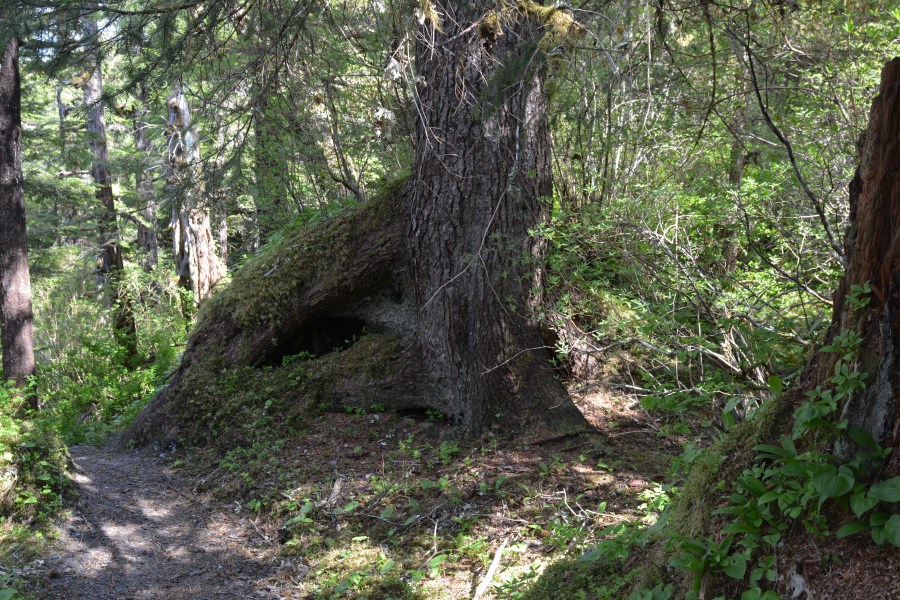

I had the good fortune to work with the National Geographic/Lindblad Expeditions boat Sea Bird in the Southeast. The naturalists on board were very energetic and excited. There were divers looking at the sea life, botanists looking at the extensive green stuff, water and ice people looking at rain/rivers/glaciers/and floating ice, and (of course) birders and geologists looking at the things that they are interested in. Most importantly, it was then shown and/or explained to our guests.
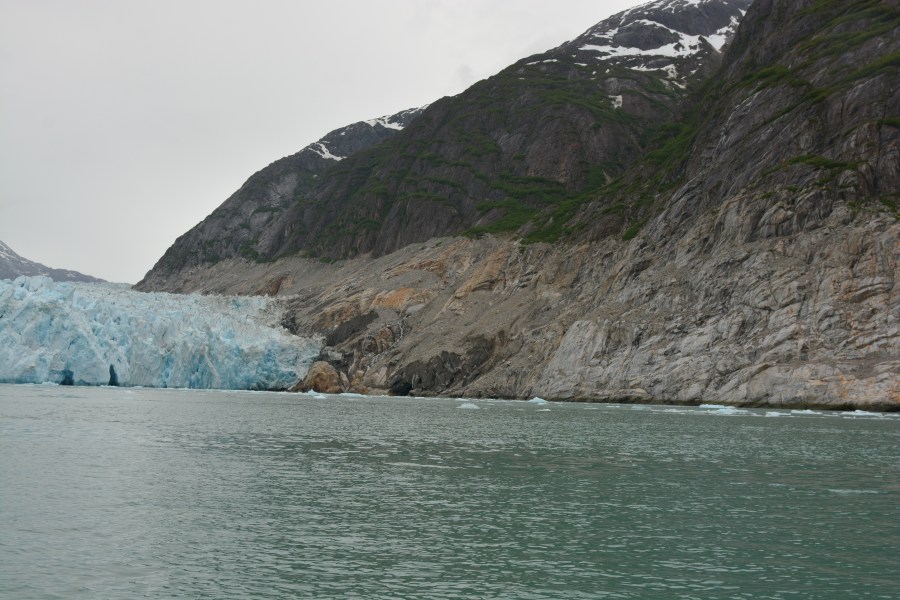

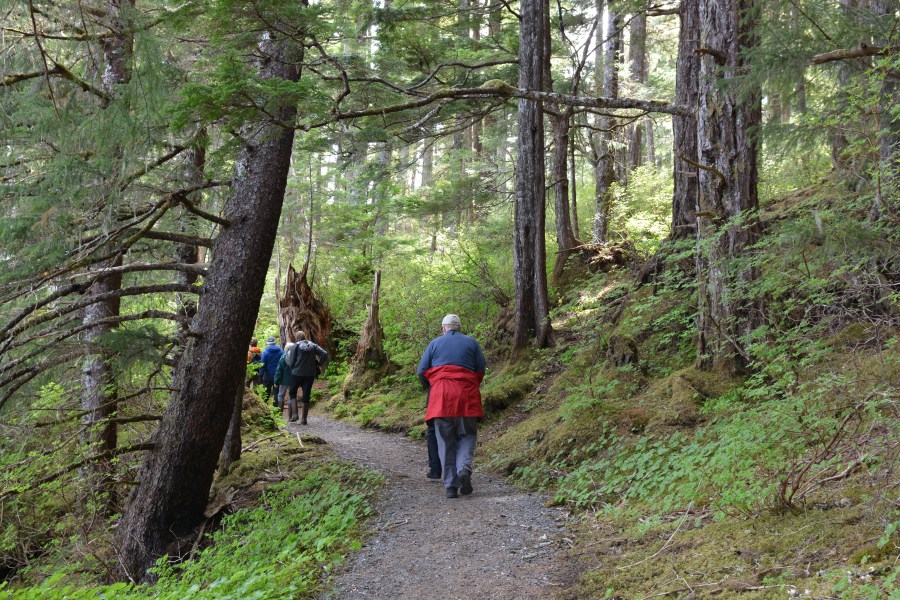
**I often work for Smithsonian Journeys, the Smithsonian Institution’s travel program. In the case of Alaska, we often use National Geographic and Lindblad Expeditions as a mechanism for our outings. They offer a wide range of travel opportunities and we are pleased to be able to cooperate with them in various spots around the globe.
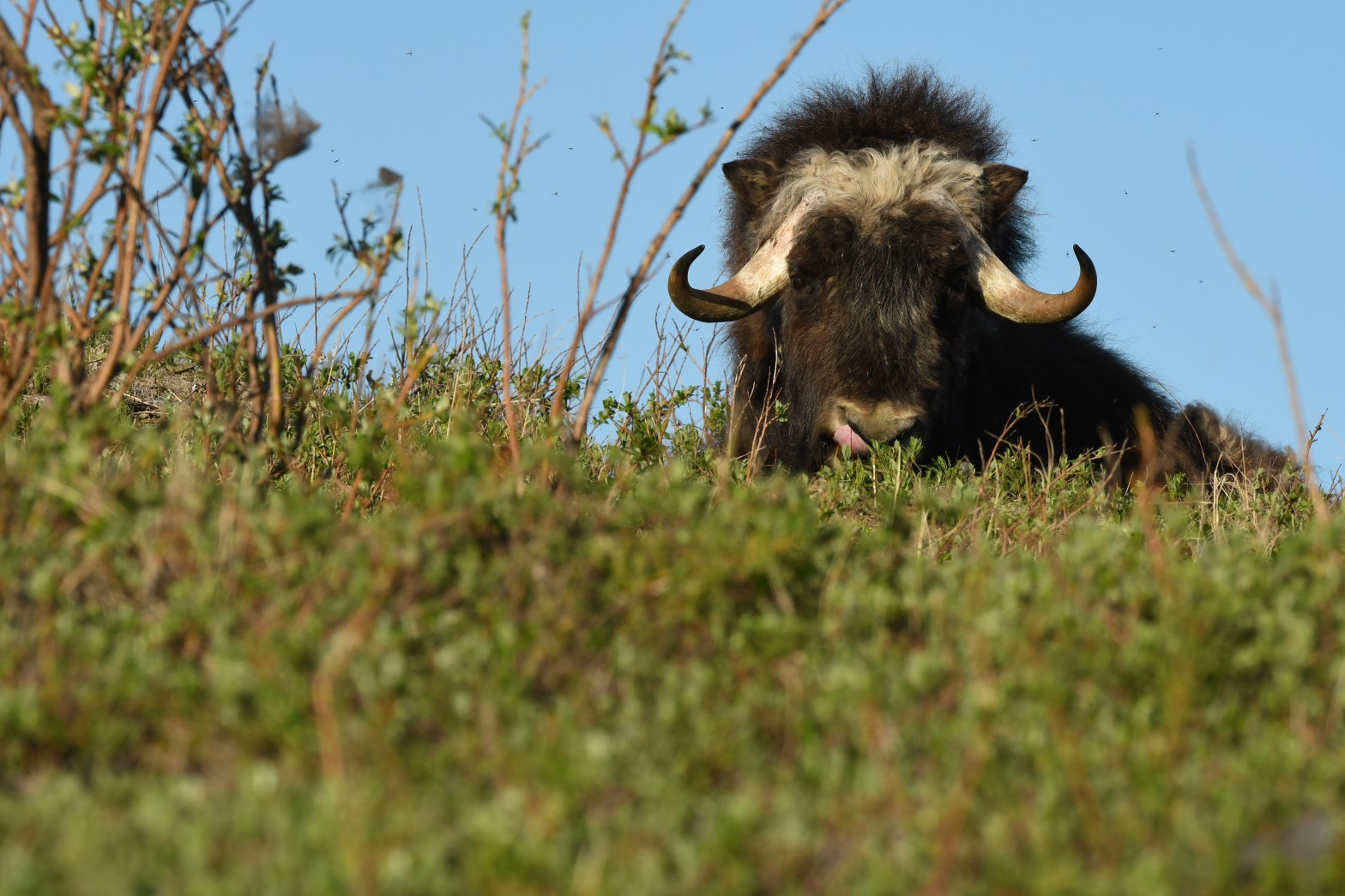
 In tundra areas the Musk Oxen were eating the leaves of the small willows that dominated the wetter spots. They were shedding profusely and many of the shrubby willow were sporting Musk Oxen hair that they had combed from passing animals. The fur is, even this outer layer of winter hair, very soft. The belly fur is called qiviut and is the finest animal fiber that there is – beating out alpaca, mohair (from an Angora goat), and cashmere (wool from a goat). The fur is eight times warmer than wool and doesn’t shrink or felt (mat). I don’t know how it compares to spider silk or silkworm cocoon silk.
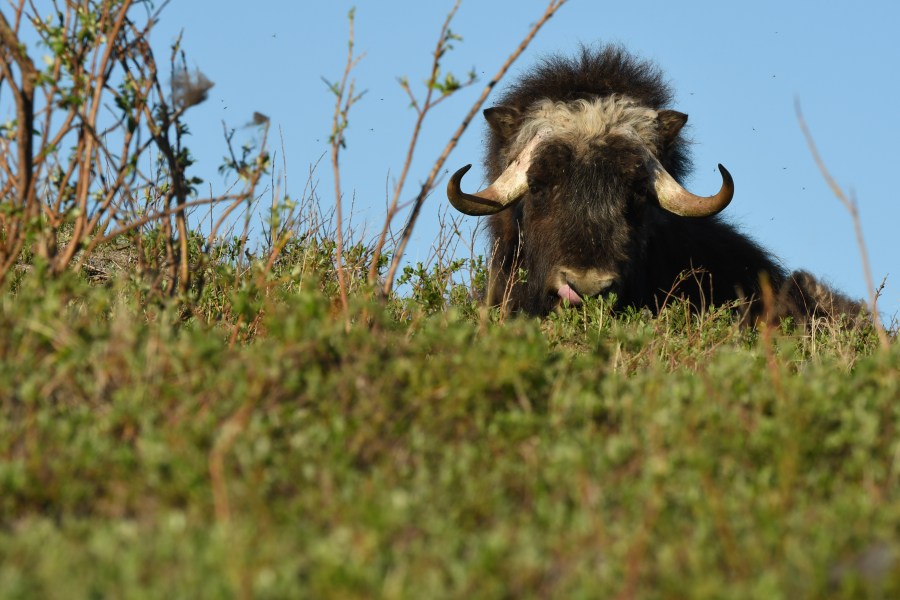
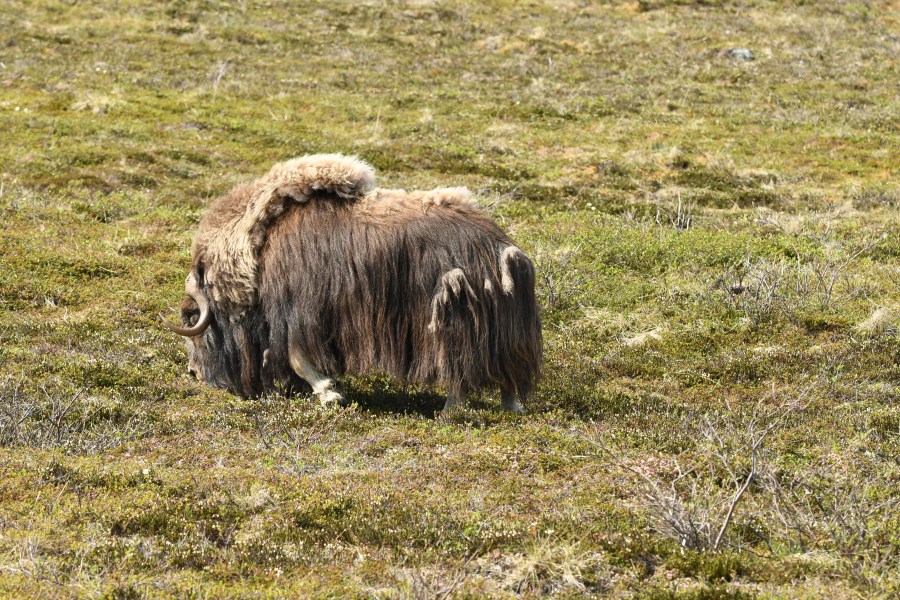 As you can see from the images they were rather placid. When we left our hotel, one morning at about 4:30 a.m., there was a young fellow chatting up the night desk guy. We stopped to talk before heading out to get specifics on the lay of the land and this young man offered us that old bit of sage north country advice, “don’t pet the bovines”. We didn’t; but they were languid enough to pose when they were sleeping or lying about chewing their cud. On their feet they were quite a bit more shy and moved away from us whenever we approached.
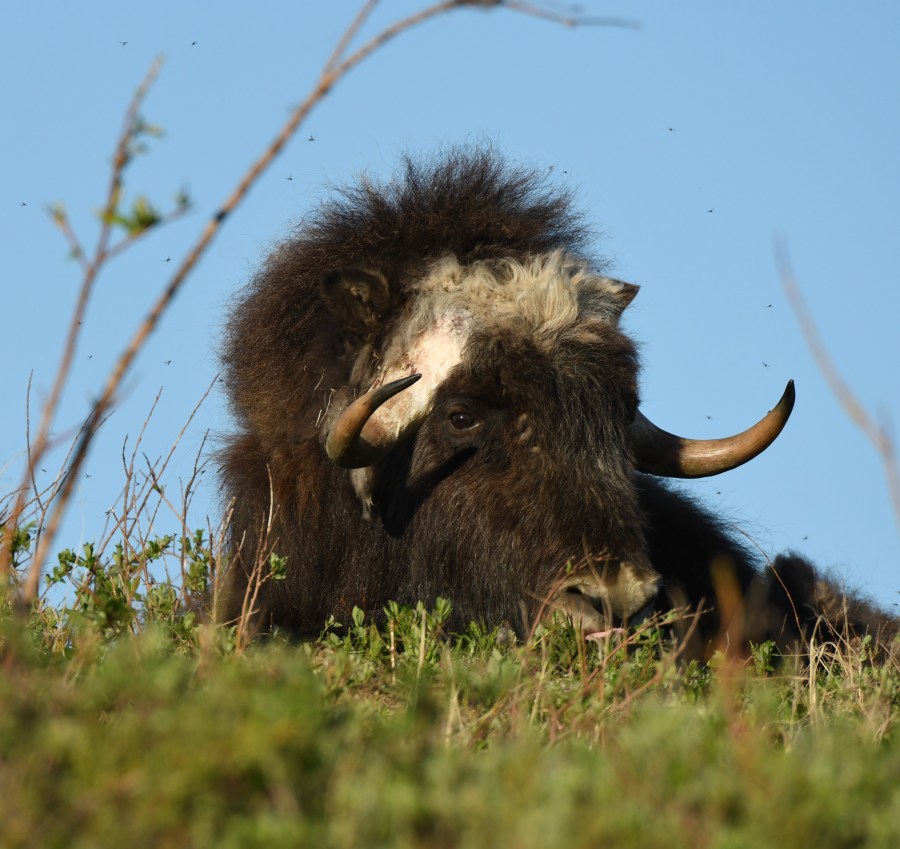 Though the temps were quite warm, hot actually, we rarely had any number of mosquitoes. But if you look closely at the image above there are lots of insects around the head of the Musk Ox. We had intense and dynamic hatches of Chironomids (midges) drifting along the road near Safety Lagoon and occasionally a few mossies, but bugs were not a feature during our visit.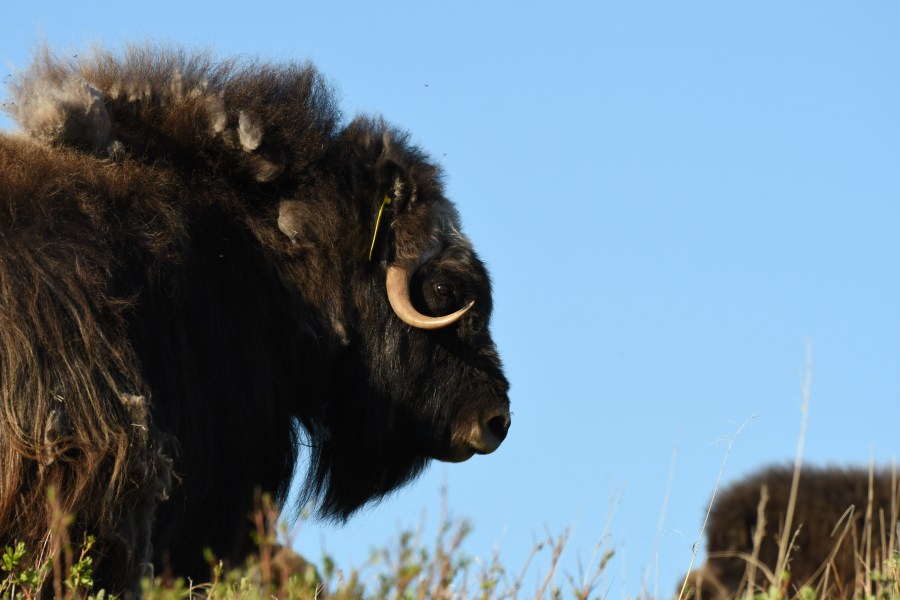


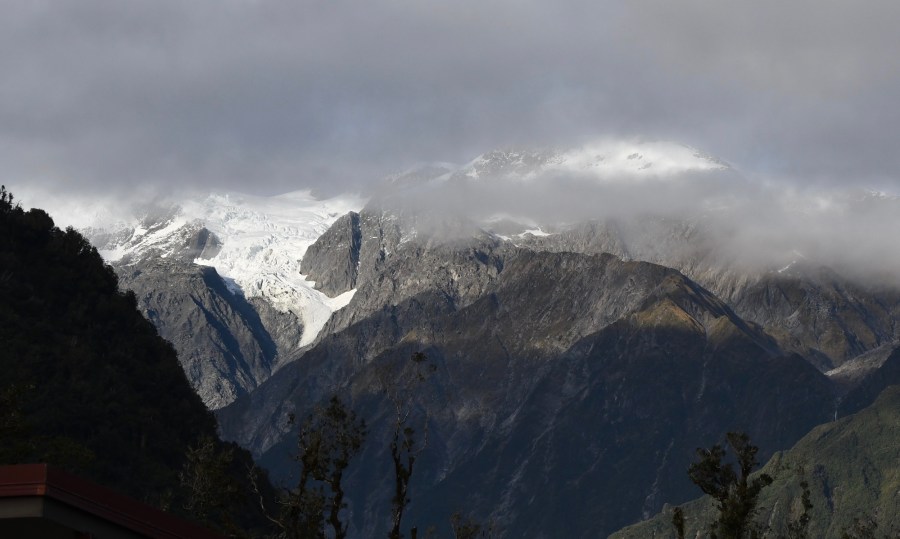
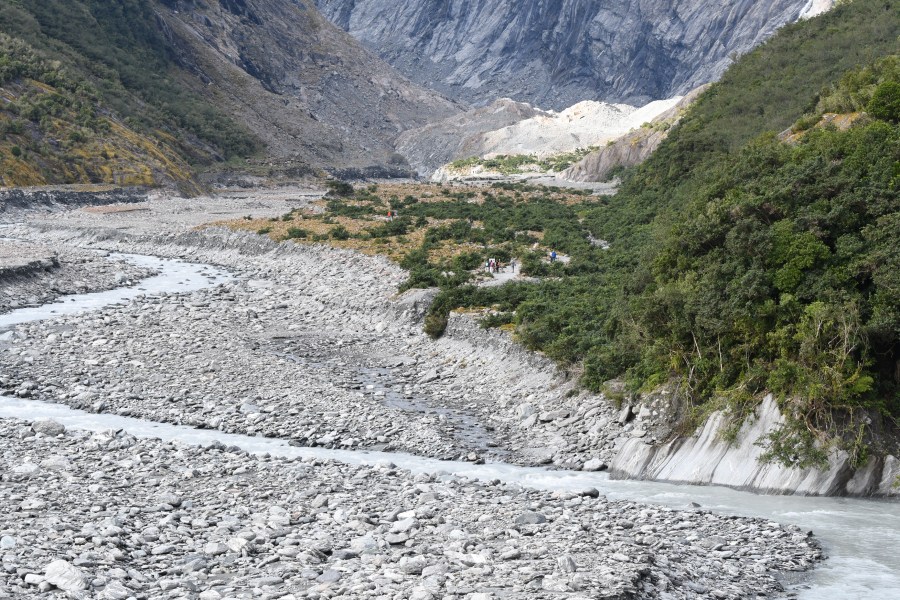
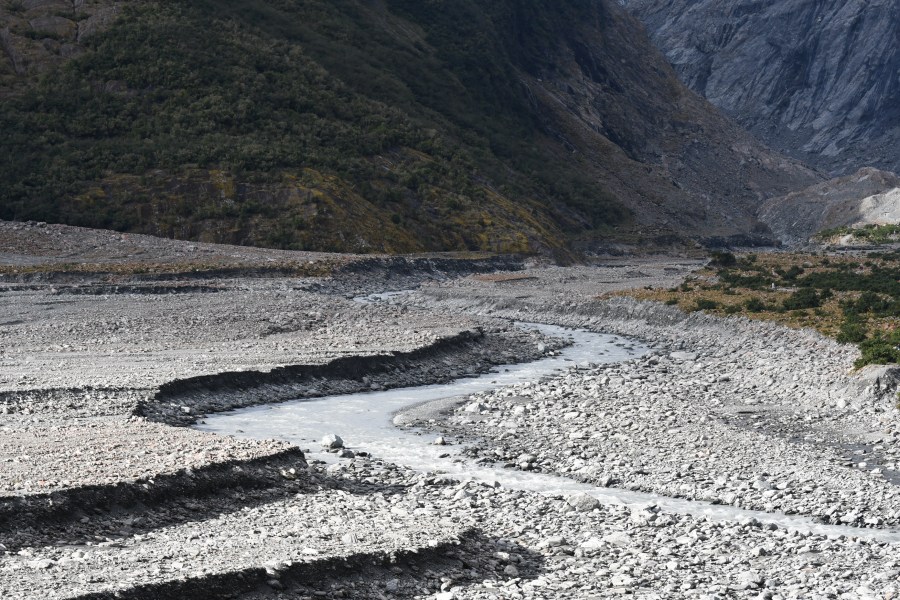


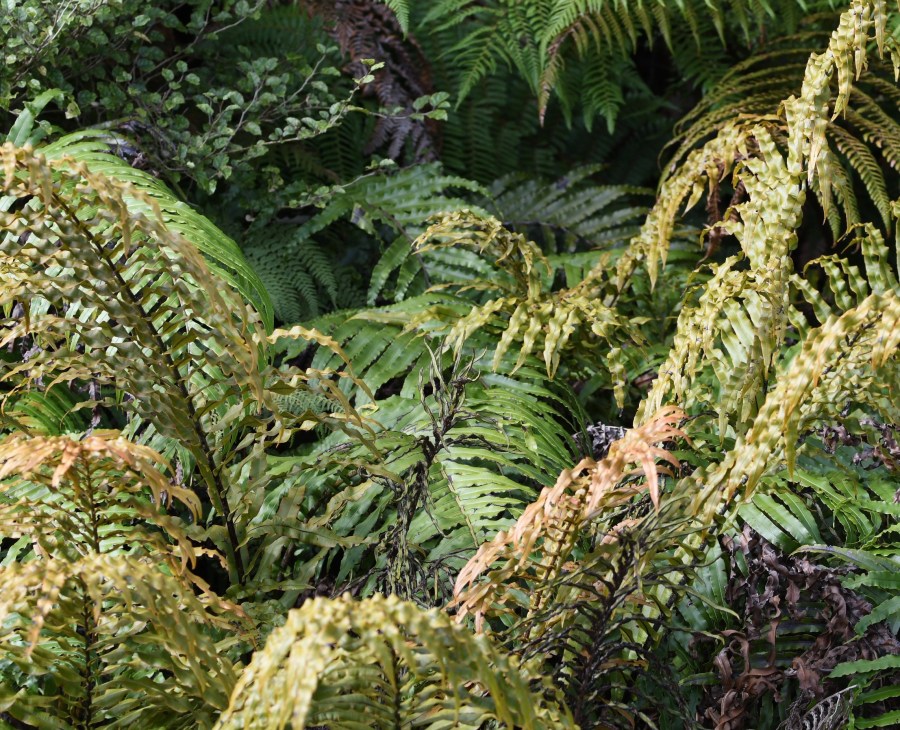
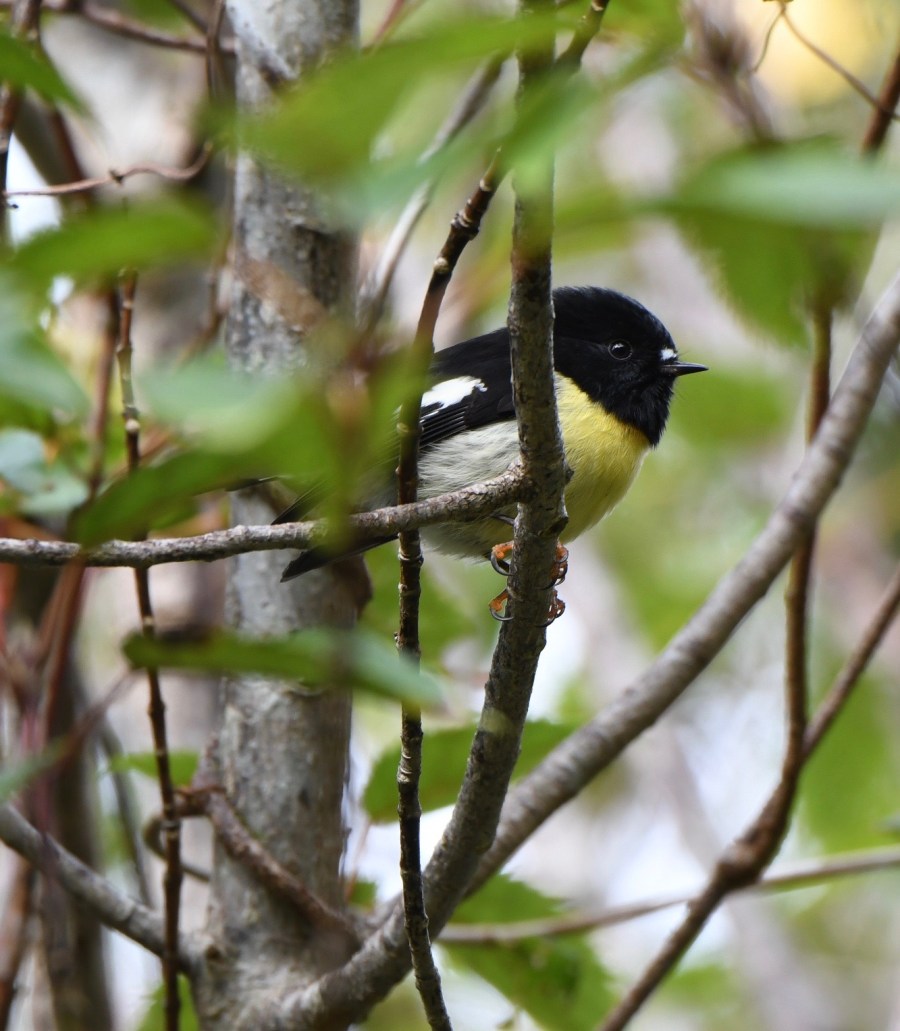
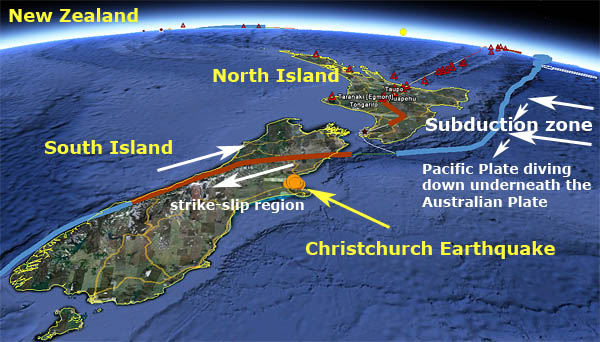
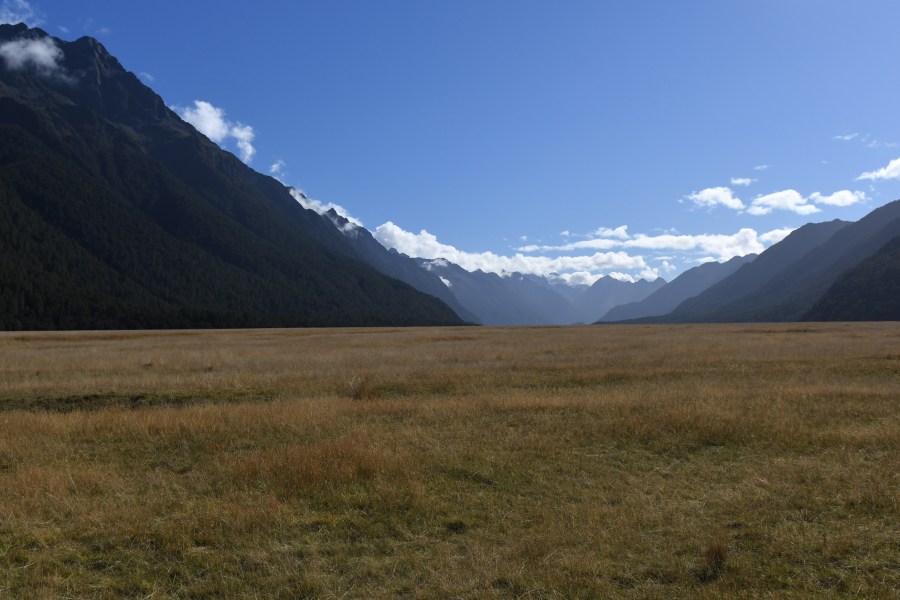
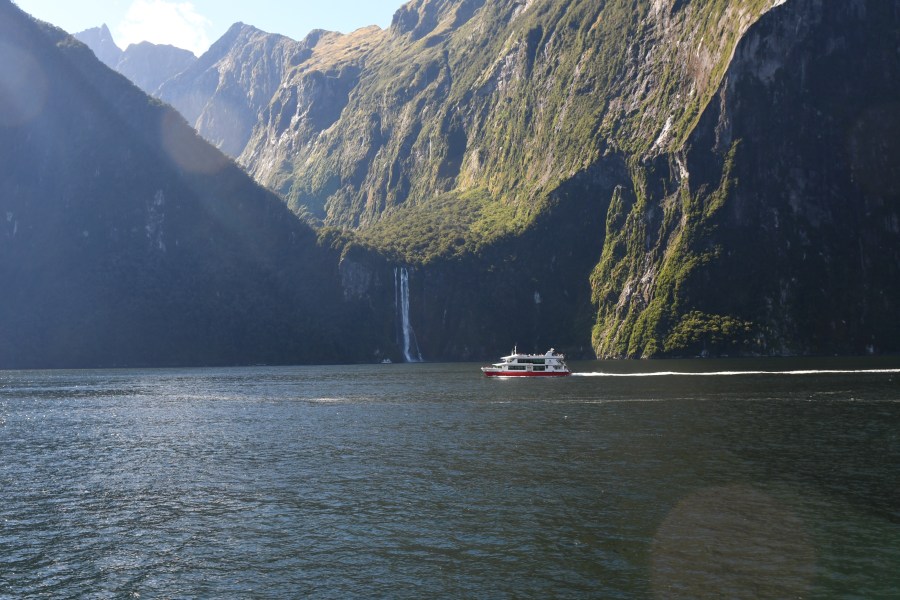
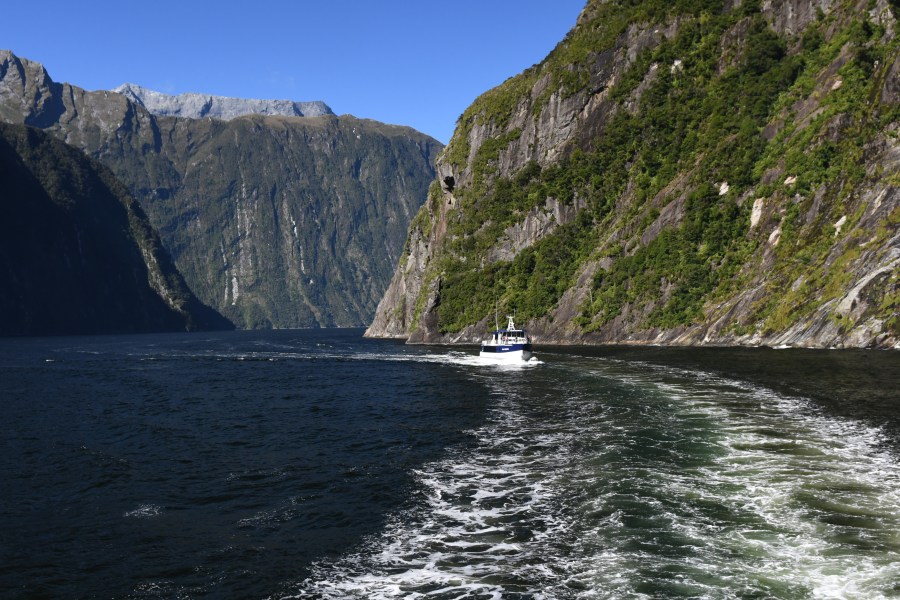
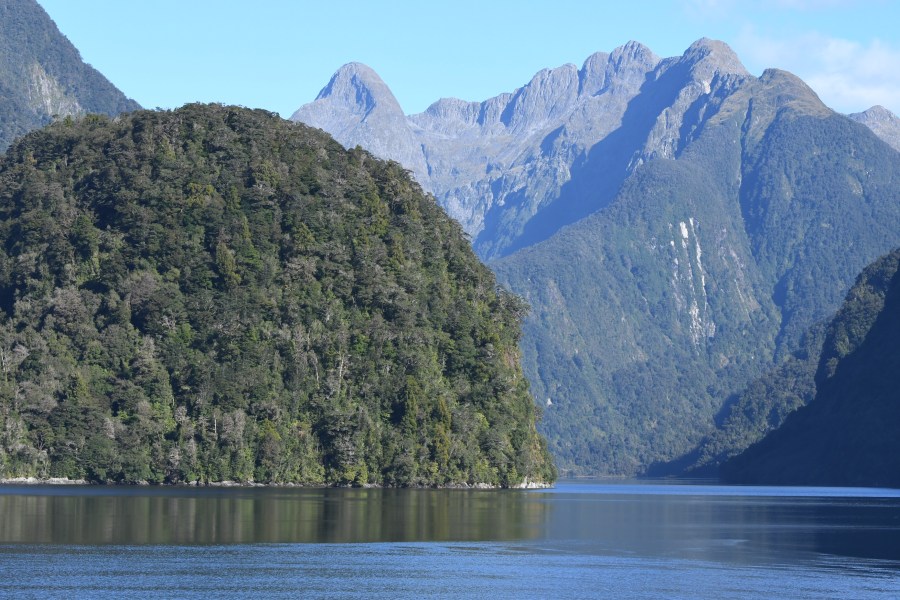
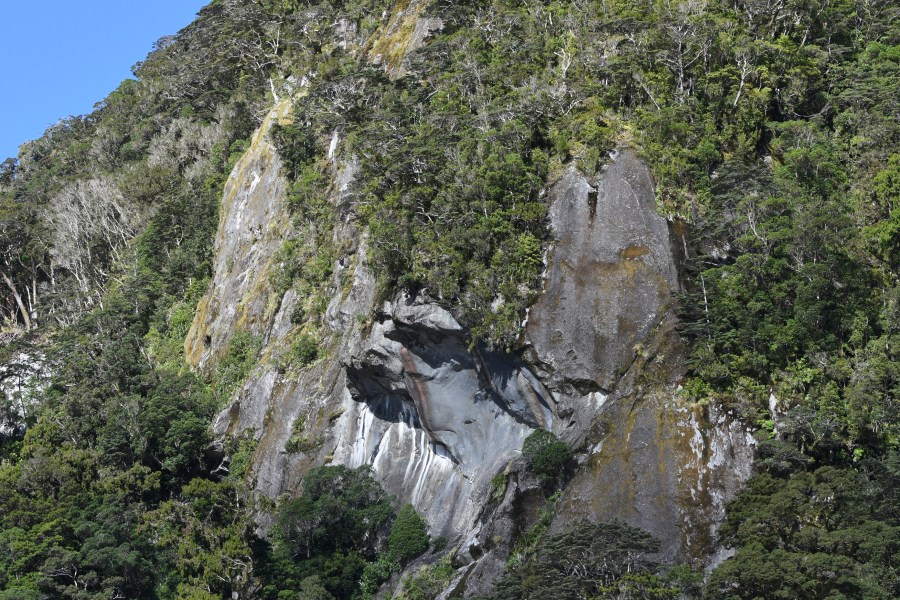
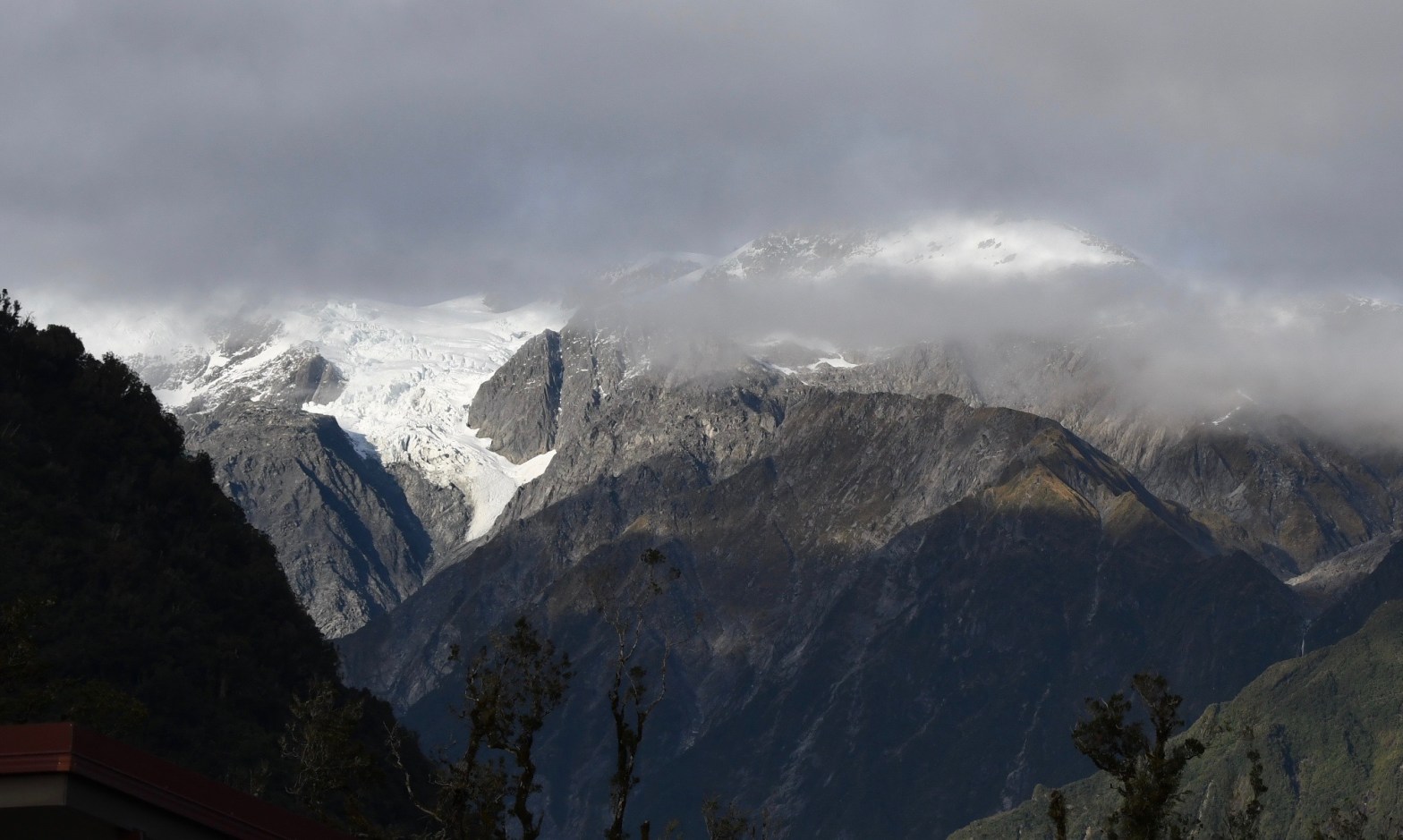
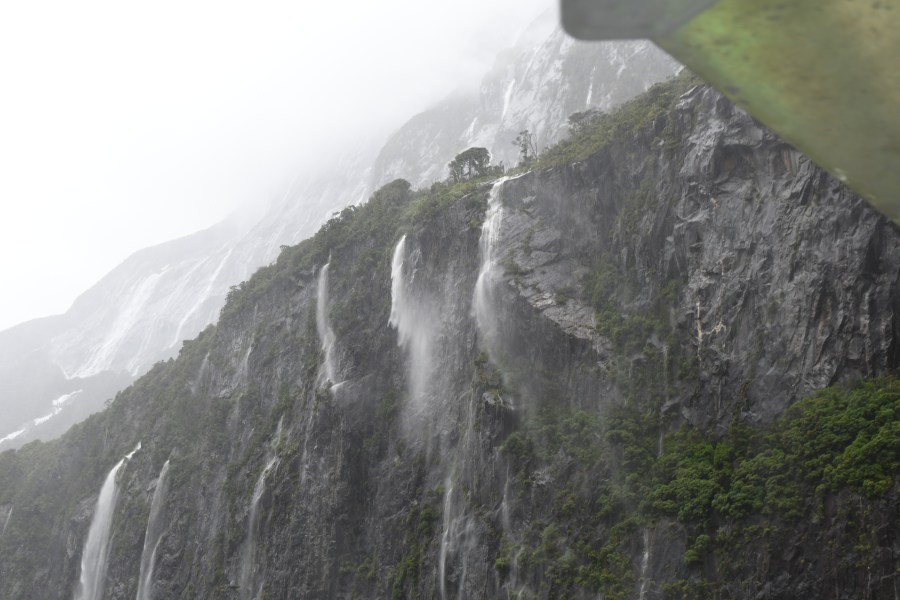
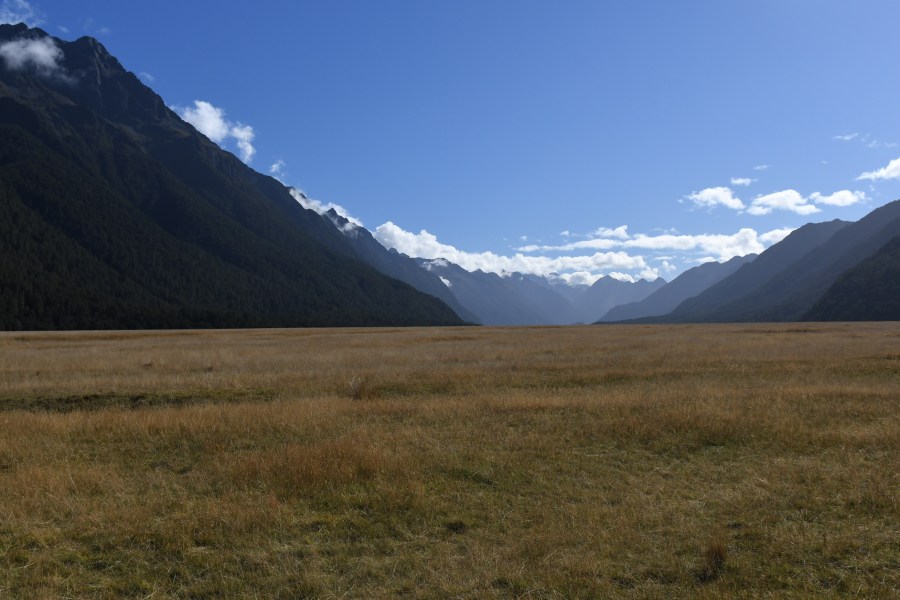
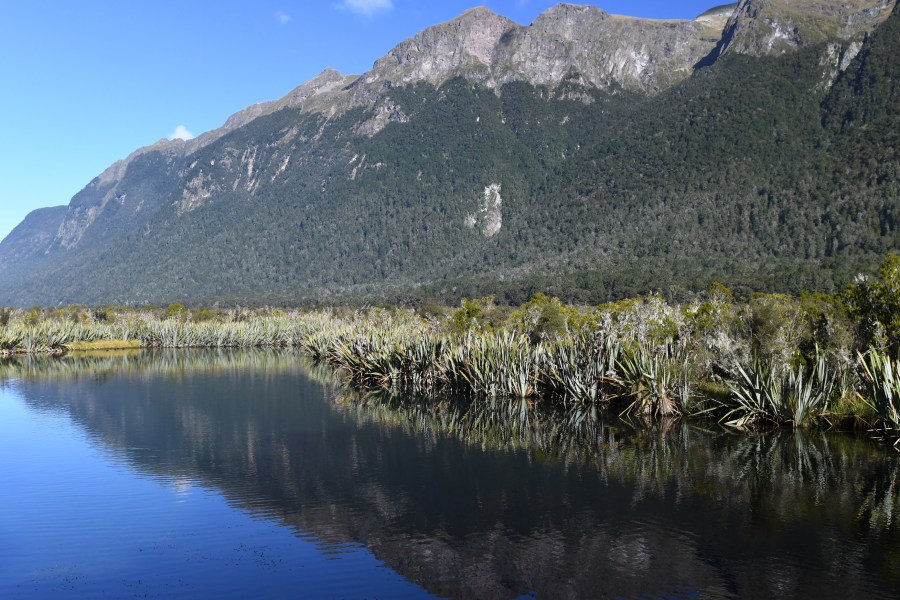 Milford Sound is the best known of New Zealand’s fjords. Relatively easy access through the Murchison Mountains makes for a memorable ride and delivers you to a spectacular fjord that reaches several miles to the Tasman Sea. Milford Sound and Doubtful Sound are the two fjords that are accessible along the western coast of New Zealand’s South Island. In both cases there is no north-south road in or out of the sounds (actually fjords or in New Zealand fiords). In visiting Milford you drive from Queenstown (where most people stay) through Te Anau (where some people stay) and into the Fiordland National Park (3 million acres+). The road is a glacial geology lesson with hanging valleys, glaciers, braided streams, and lots of sheer rock walls.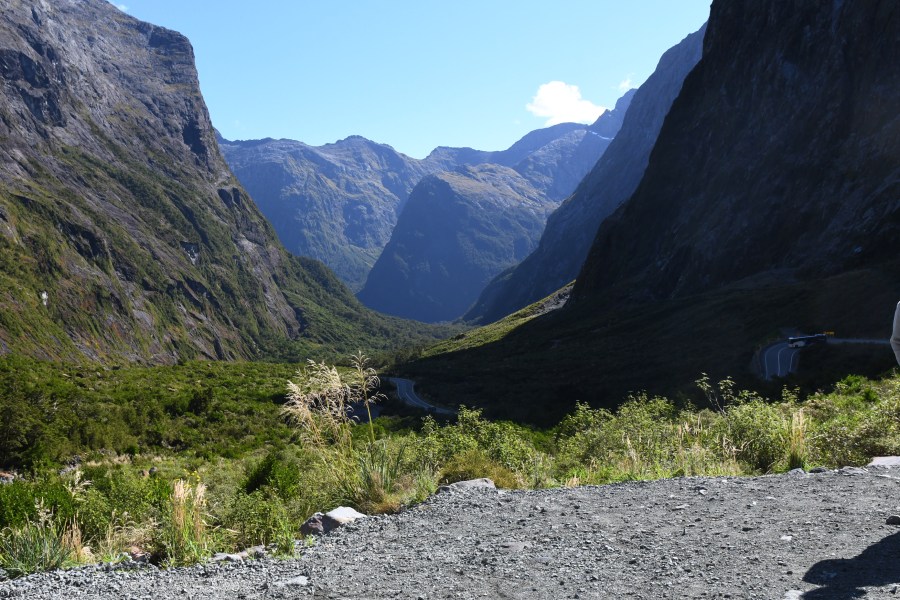





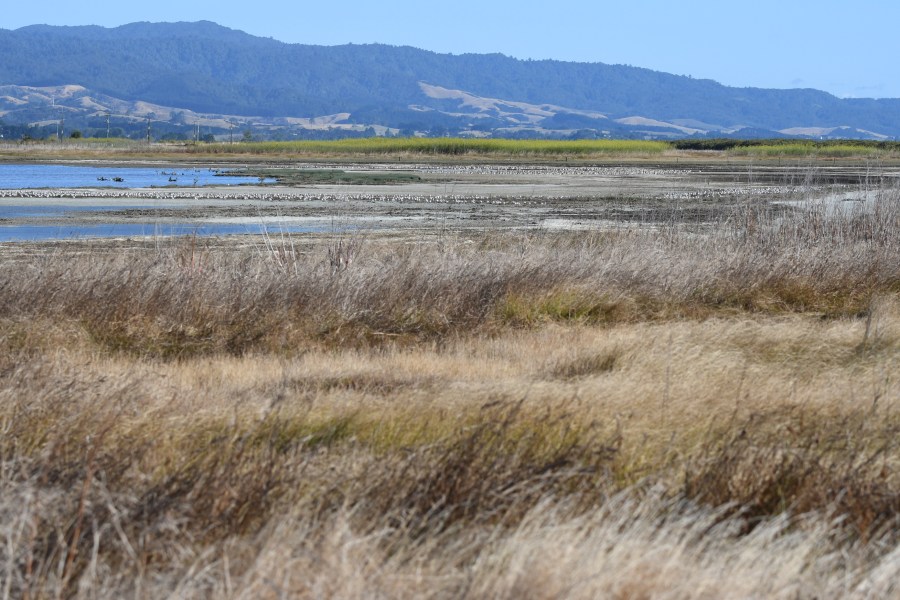
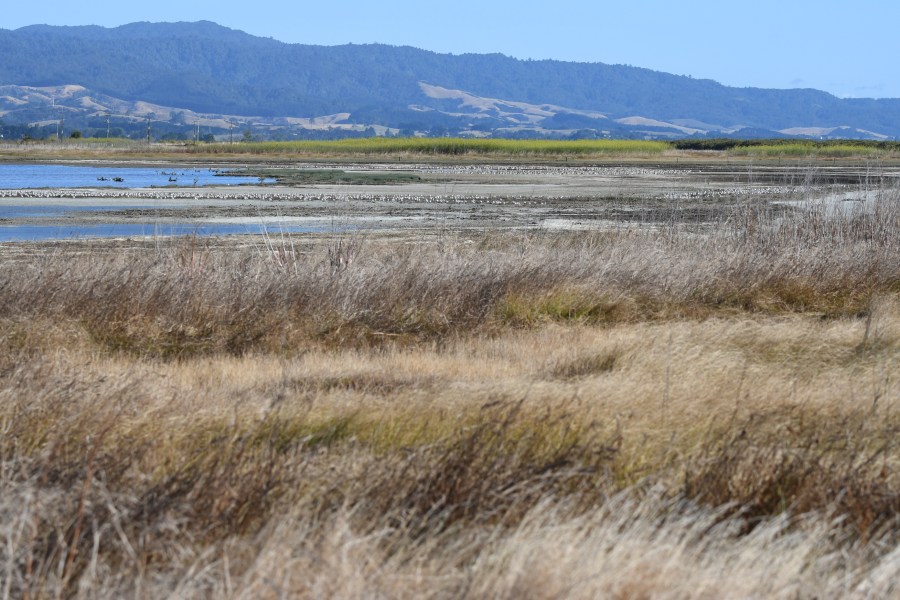 The site is coastal as you might imagine and quite low. it was agricultural and now a refuge, but will succumb slowly too increasing ocean levels over the next century or less. It is partly low dunes, vegetated salt marsh, cobble beach and adjacent grassy wetlands. Most plants are appropriate but there is a great deal of fennel growing here. As an outsider unfamiliar with fennel I found it to be very attractive and it seemed a bit of a local speciality.
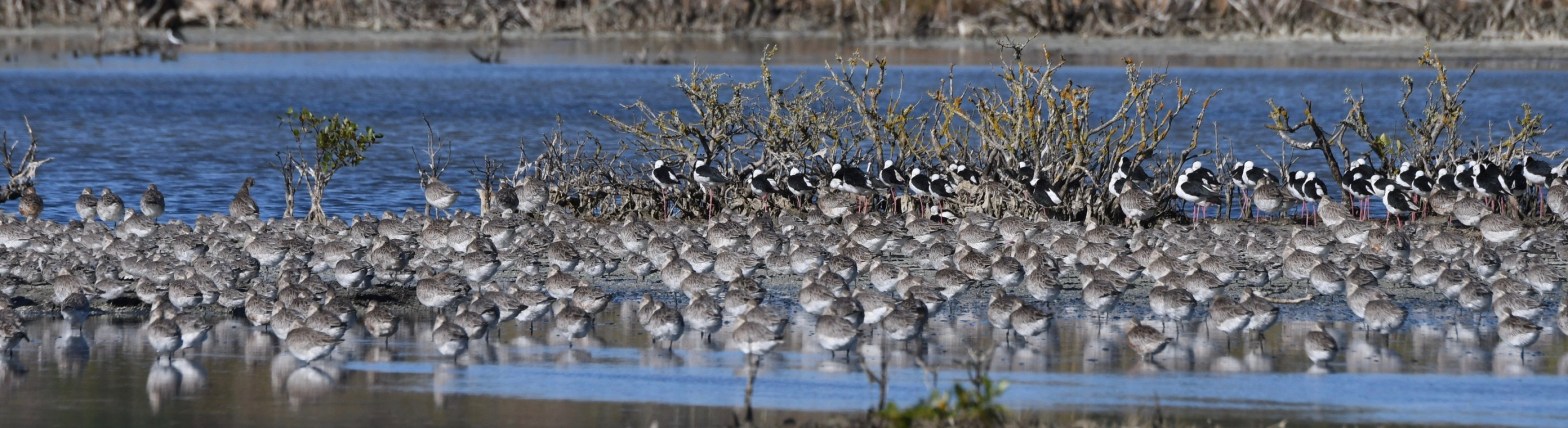
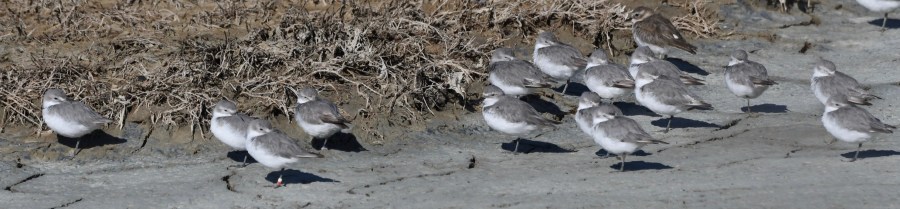
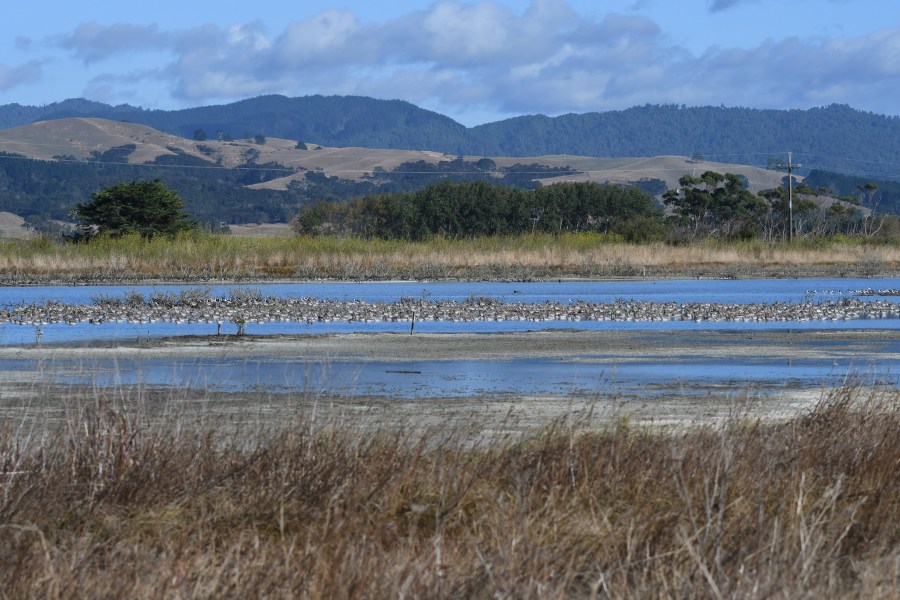
 But, back to the birds. As these overview images show there are sweeps of loafing sandpipers on the flats in the middle of the refuge. there are also other birds, oystercatchers for example, that rest in large numbers closer to the salt water. The image below shows winter-plumaged Bar-tailed Godwits and Pied Stilts
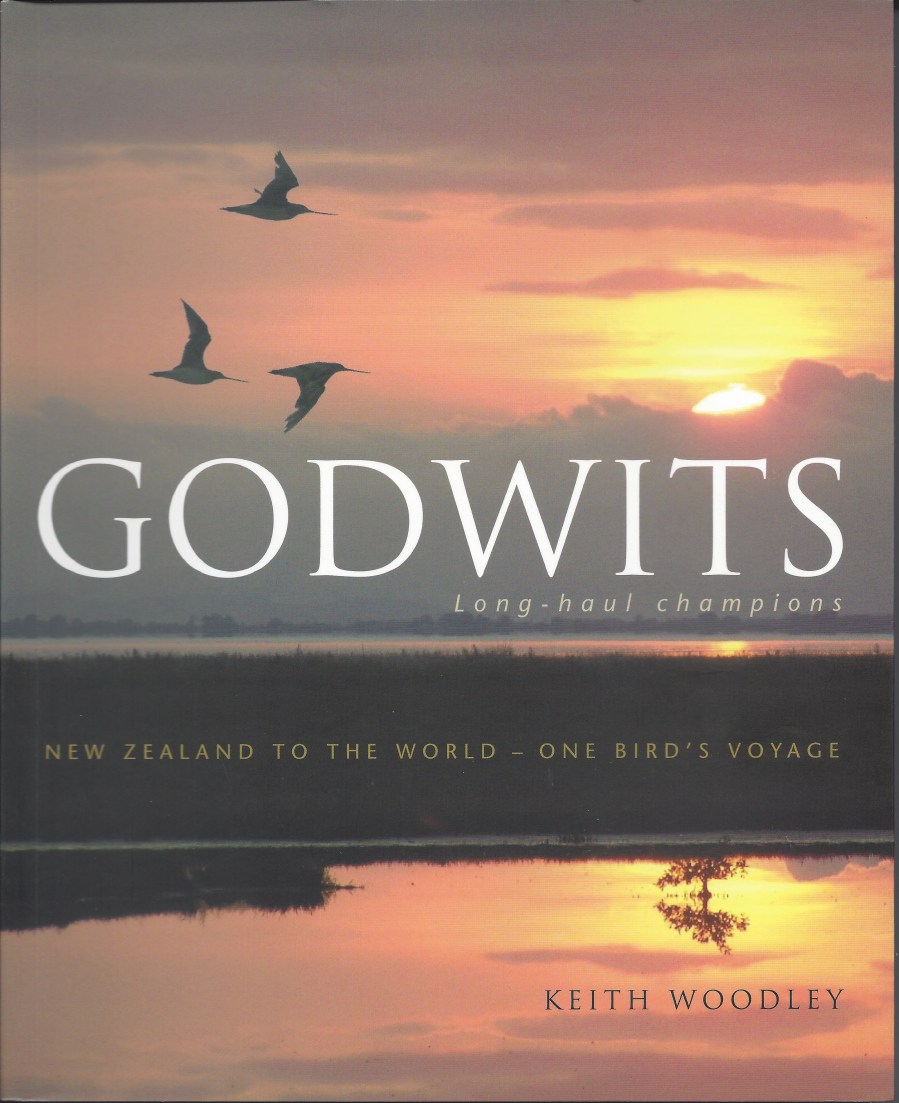
 Though the Bar-tailed Godwits have the most amazing migration of almost any bird and they are worthy of their own excellent book (
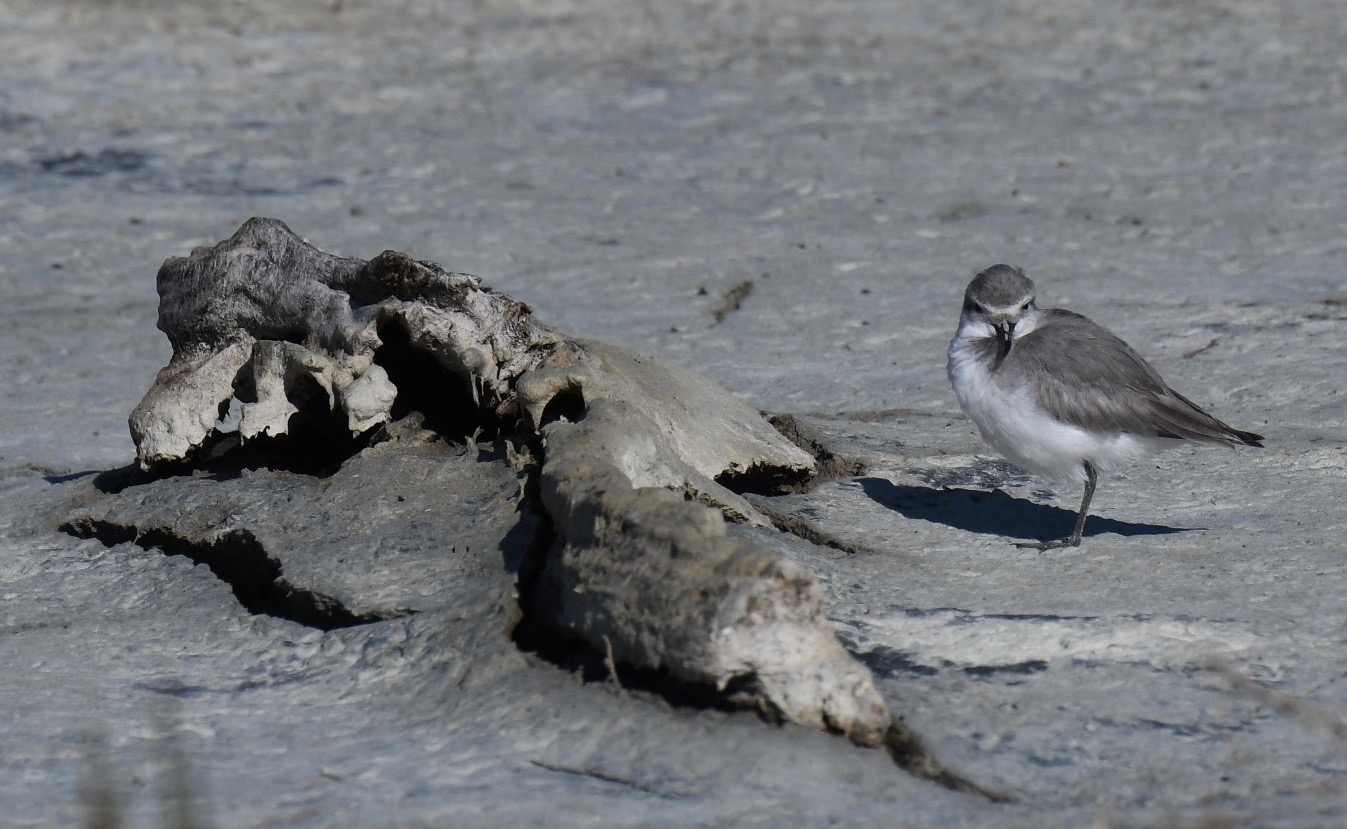
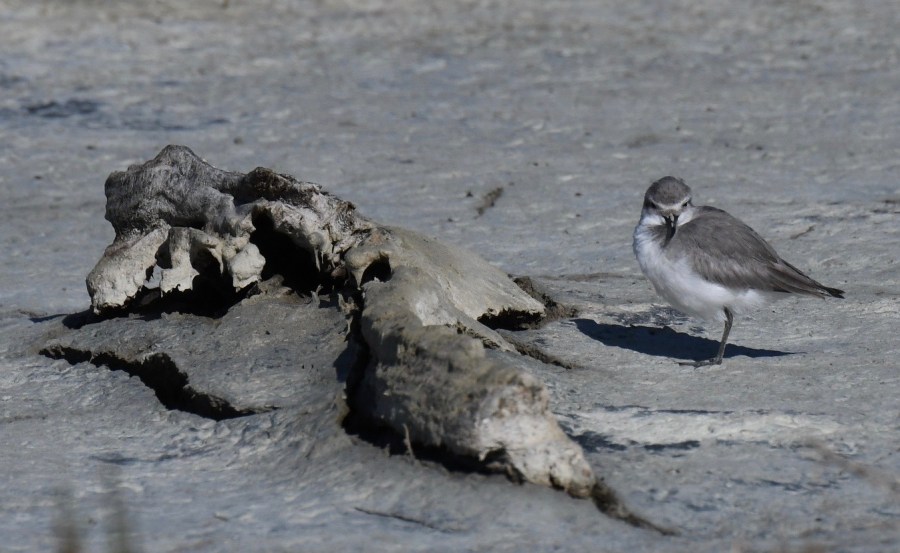
 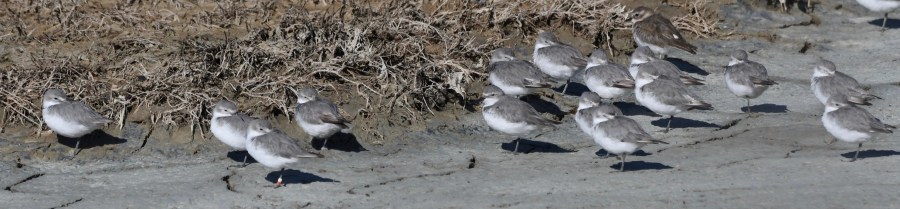 They are pretty plain looking, just kind of a gray and white in winter plumage and maybe a richer gray in breeding season. It also develops a black neck band and always has a white forehead. It attracted my attention because it is an endemic to New Zealand and a threatened species. It winters in as few spots only and breeds locally on the gravel banks of braided glacial river courses.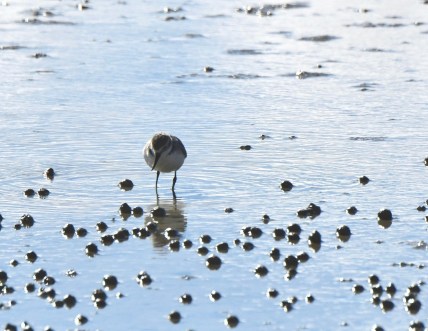
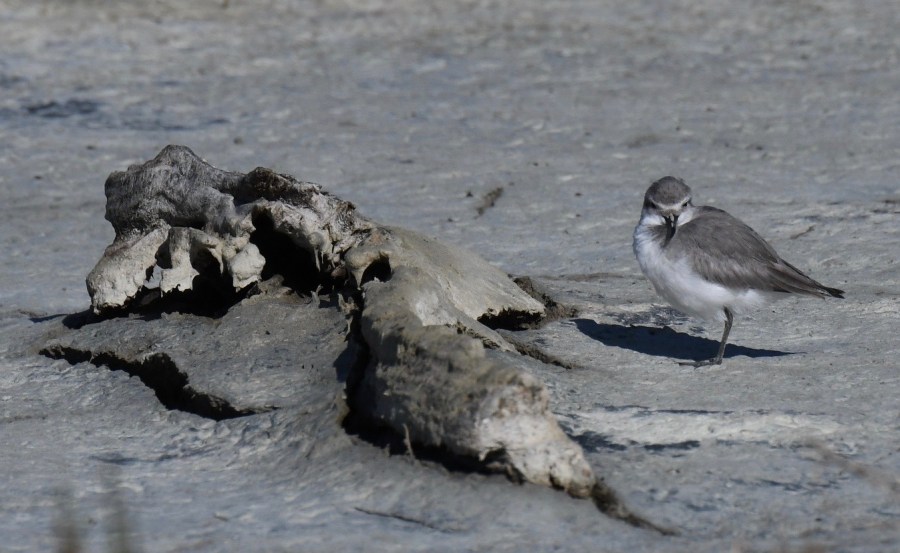 Wrybills have a bill that bends to the right. They all do. There are birds with upturned bills and downturned bill and even birds where the upper and lower parts of the bill cross over each other. There are pointy beaks and spatulate beaks…but this is the only bird with a bend to the right (or left for that matter).
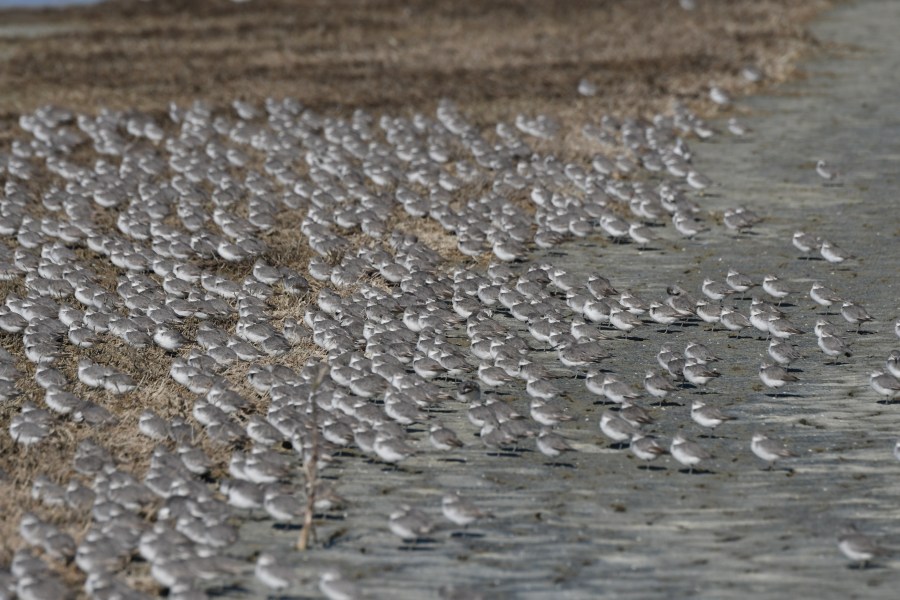 There is something fulfilling about seeing a new bird. It completes a circle of information. Things that have been read about, travels that have been mapped, species that have evolved to survive in specific manners become part of a new whole once they are observed. The world have been spinning away for millions upon millions of years but most life is rather new and constantly honing itself to a world that changes daily. Low sea levels, high sea levels, glacial periods and volcanic explosions are but mere blips on the time scale of the planet but they have been part of what has required godwits to migrate thousands of miles each way each year and for Wrybills to have a bill that turns stuff over only to the right. Very cool. Very humbling.
 This book is very nice – it is a good story, well written, with a strong plot, and with main characters you can hardly believe, and it comes with with great pictures. But the real story is the simply Bar-tailed Godwit. Certainly, you should look for the book, read it and marvel; but most importantly you should see a godwit and simply appreciate it as a creature of great stamina, ability, tenacity, and beauty.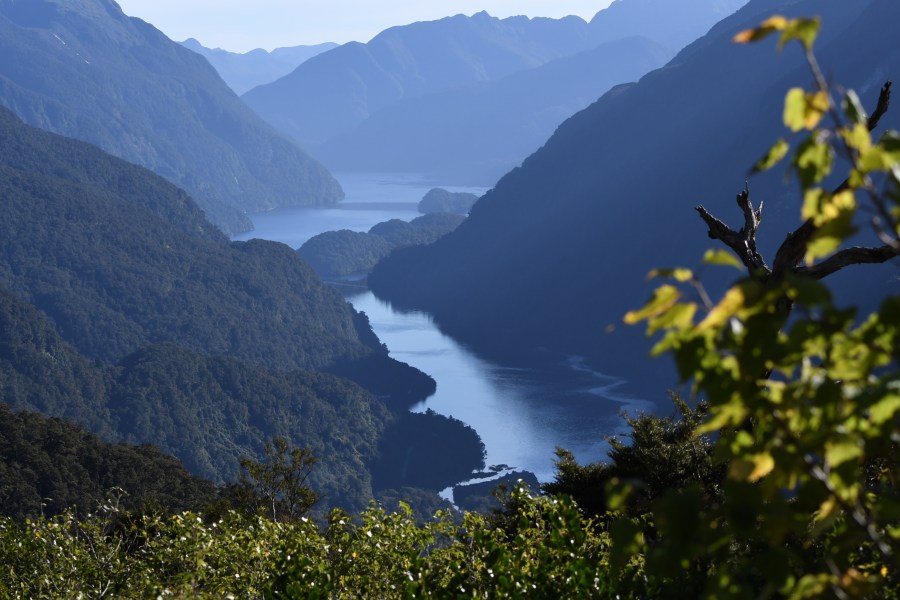












 On The Road With DEC