Some California Dry Land Images

I am carrying my new and heavy lens. It is a test of strength and will, but it has been worth it. This blog page will consist of some images that represent places and birds that you might enjoy and we did enjoy.

There are many cacti in this area – not as many as you might expect but there are lots. These are a couple of the barrel-cactus types. Some have hooked spines others are straight. The fruits are often tasty and fed animals and people.

This Calliope Hummingbird entertained us for a while. It is a small hummer with a rich gorget (cowl, mustache) and it was very busy. 
The Antelope Ground Squirrel is just one of many small mammals that dig. If you can’t get underground in the middle of the day then you are likely to be toasted. So most mammals dig and most reptiles use the holes and rock piles for shelter and safety.

Thrashers are great birds – too bad they are so secretive and hard to see. But this California Thrasher was very tame and we had good looks and got off a few shots as well.
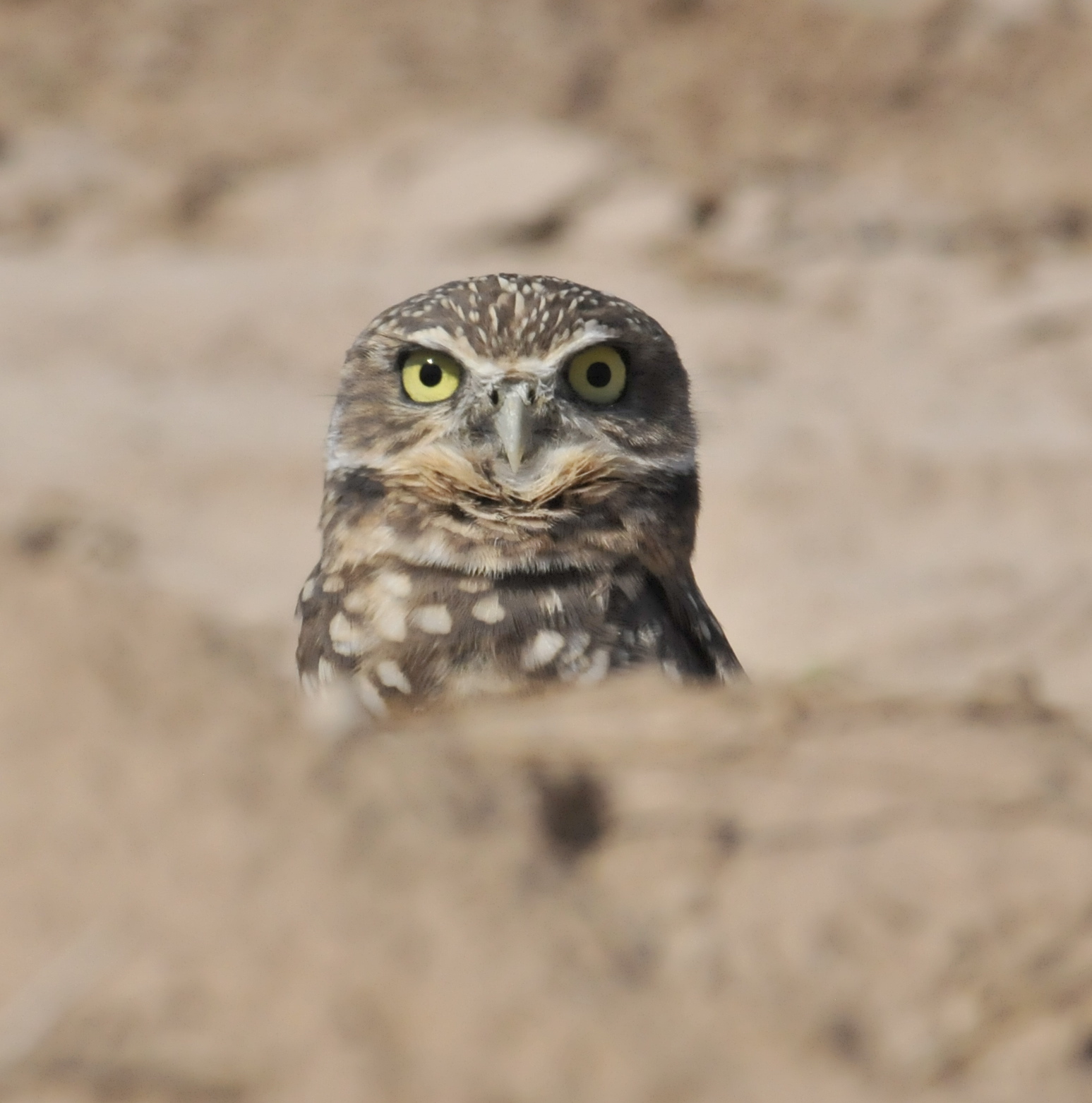
Owls are great and Burrowing Owls are even more special. This cute guy looked me over from behind a ridge of dirt. I wonder if the eyes see things differently – they are certainly not the same size and shape. Perhaps they work together to help gauge distance or enhance a three-dimensional view. Whatever the reason for the eyes, it is a cute little guy.

A Bit of a California Hodge-Podge

This entry will finish off some notes made as we arrived in California and finish with a 6000′ climb in a gondola from the desert floor (near Palm Springs) to the top of the San Jacinto mountains. The temperature dropped about 40 degrees that afternoon and we were actually a bit chilly at the top. We walked some of the trails upon the mountain and then rode back to a warm Palm Springs and palm Desert. 

When arriving in California, you land at LAX and everything is as you expected. The descent to the airport shows a dry desert changing into a dry suburban and industrial vista that goes on for miles and miles. There is nothing nice about flying in to Los Angeles. Renting the car, bait-and-switch at its very best, is finally accomplished and the freeways are much like the aerial vista – tired, rough, dry, and crowded. The fine for traveling in the car-pool lane with less than two people in the vehicle is $341. Another nice round California number is that for littering; $142. Given the current economic state of affairs I would round them off to $350 and $150 and then enforce them. We used our GPS (named Rhoda because she knows all the roads) and headed east as quickly as conditions allowed.
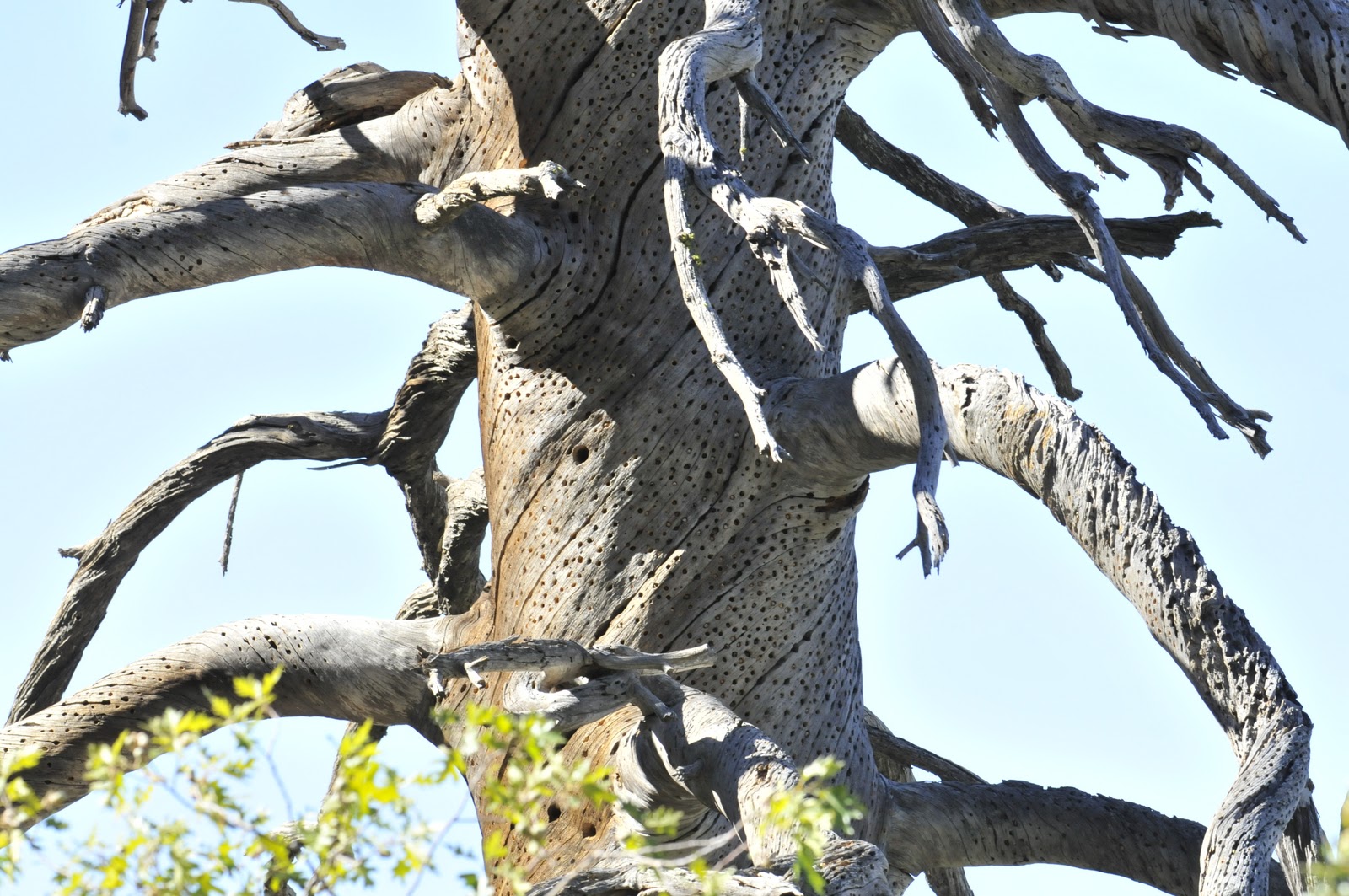
We drove east on a few of the freeways and eventually reached the pleasant city of Riverside. We bought a take-out lunch and ate at a city park where watched the Acorn Woodpeckers stashing acorns in the dead pine with thousands of holes in it. From Riverside on to our immediate destination consisted small roads a continual ascent. Idyllwild is at about 5300’ and the nearby Humber park is at 6000’ and Black Mountain is even higher. We arrived at Quiet Creek where we got the key to Birdsong, our cabin home for four days. We settled in and all was well.

The pine trees are splendid here – cones that weigh 3-4 pounds or are more than a foot long are common. Limber Pine can be tied in knots and the Yellow Pines smell like vanilla. The lower two images (above) are from Black Mountain just north of Pine Cove where we visited the fire tower lady and her tower-top hummingbird feeders.

Leaving the mountains the descent to the desert is a wonderful ride and experience. If driven directly it takes only an hour; of course we took most of the day. Once in Palm Desert and after driving around for a few days it is easy to appreciate the grid of highways and streets; all roads are wide and easy to drive. As you head north from the Coachella Valley the wind forms in the narrowing valley. It is this feature that has allowed the state to develop wind farms – lots and lots of wind farms. It is almost dream-like, something from a science fiction movie, to see the hundreds and hundreds and hundreds of wind towers. Some are tall and others short.

California is often the butt of jokes but it is a place of splendor and variety. The Salton Sea is in a hole well below sea level and an hour away is a tram to 8000′. There are desert bighorn sheep within the city limits here and there are life zones and habitats spread across the landscape in a manner seen only rarely around the country. Perhaps Mount Lemmon in Tucson has a similar range, but not too many other places. The air may be hot but it is dry. Mummification may be the wave of the future here if cremation gets too expensive. Anything you was at night is dry in the morning – no moisture, no dew. We are enjoying ourselves and are usually to busy or too tired to dine as well as we could.

The Salton Sea

The desert in this area (Coachella Valley) is almost totally without natural wetlands and that makes the manmade sites valuable to migrants. The sewage lagoons in many desert communities are (now) often made into (vegetated) wetlands and the stunningly large Salton Sea is a remnant of a mis-directed Colorado River from some 105 years ago. Actually there has been a lake here off and on over the past several million years. The flowage of the Colorado often dammed up the rivers exit into the Sea of Cortez and lakes formed periodically only to be washed away centuries later. The Salton Sea is now about 35 miles long and about 15 miles wide; covering some 360 square miles (obviously not a neat rectangle). The salts are leached from the surrounding agricultural soils and then flow back into the Sea. The current salinity is about forty times that of the Pacific Ocean. As you drive around the sea there are water-stains on the cliff faces showing where the ancient shore-lines were located. It is pretty neat. The surface of the water is well over 200′ below sea level.
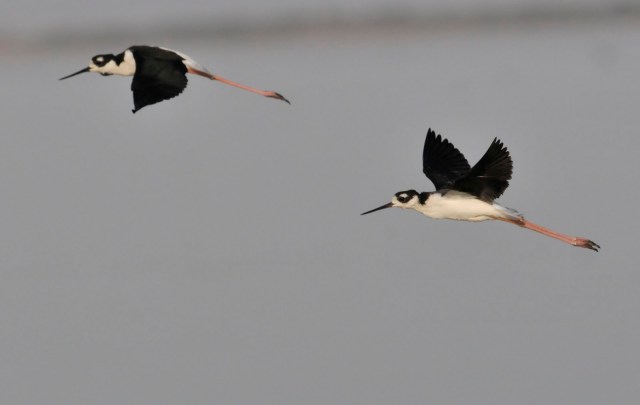
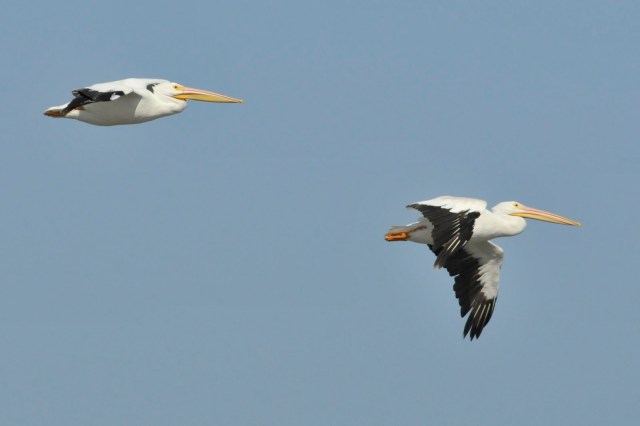

I took very few images of the sea itself as it is hot, low, flat, featureless, and often unattractive. I will stick in some images of the birds of the area however. There are millions of birds here. Even though it is very salty there are tons of brine shrimp and brine flies and a few species of fish that can survive. They in turn feed the birds that winter on the waters.
The Salton Sea is hot; the air is often 120 and the water reaches 90 degrees each summer. The evaporation continually increases the Sea’s salinity and sooner or later it will be impossible for most life forms to exist here. As the area is well below sea level (up to 200’ below sea level!) there is no way to let the salty water out and it is nearly impossible to add fresh water. You might imagine a wind-swept vista like a lake in Maine, but you would be wrong. The Salton Sea is not a healthy-looking place; the fish often die-off due to lack of oxygen, creating a rather unpleasant aroma and a profusion of flies. But birders look for birds and there are birds here. So I will tell you about the birds and try to limit the icky, smelly, heat-addled, and simply tiring comments.

We started off before daylight and were seeing the shoreline as the first light broke. There were hundreds of pelicans coasting along the edge and a mix of gulls, cormorants, osprey, and terns in with them. As visibility improved we started to see shorebirds wading in the shallows and both grebes and ducks on the surface. Access is always a problem for birders and the Salton Sea is no exception. We were limited in the north end by Indian lands, the water commission regulations, and the lack of roads. We headed south as the sun rose.

Perhaps a sense of history is important here. The Salton Sea was, as mentioned, a big lake for a while. the water level will rise and drop depending on local weather conditions. There are hundreds of docks that don’t reach the water anymore and in a related act, there are also hundreds of empty and abandoned trailers, homes, camps, and small businesses in the area as well. There is more than 100 miles of coastline around the sea and it is generally uninhabited and undeveloped. It is often very hot and has an aroma that is a generous mix of guano, old mud, dry salts, and dead fish. 

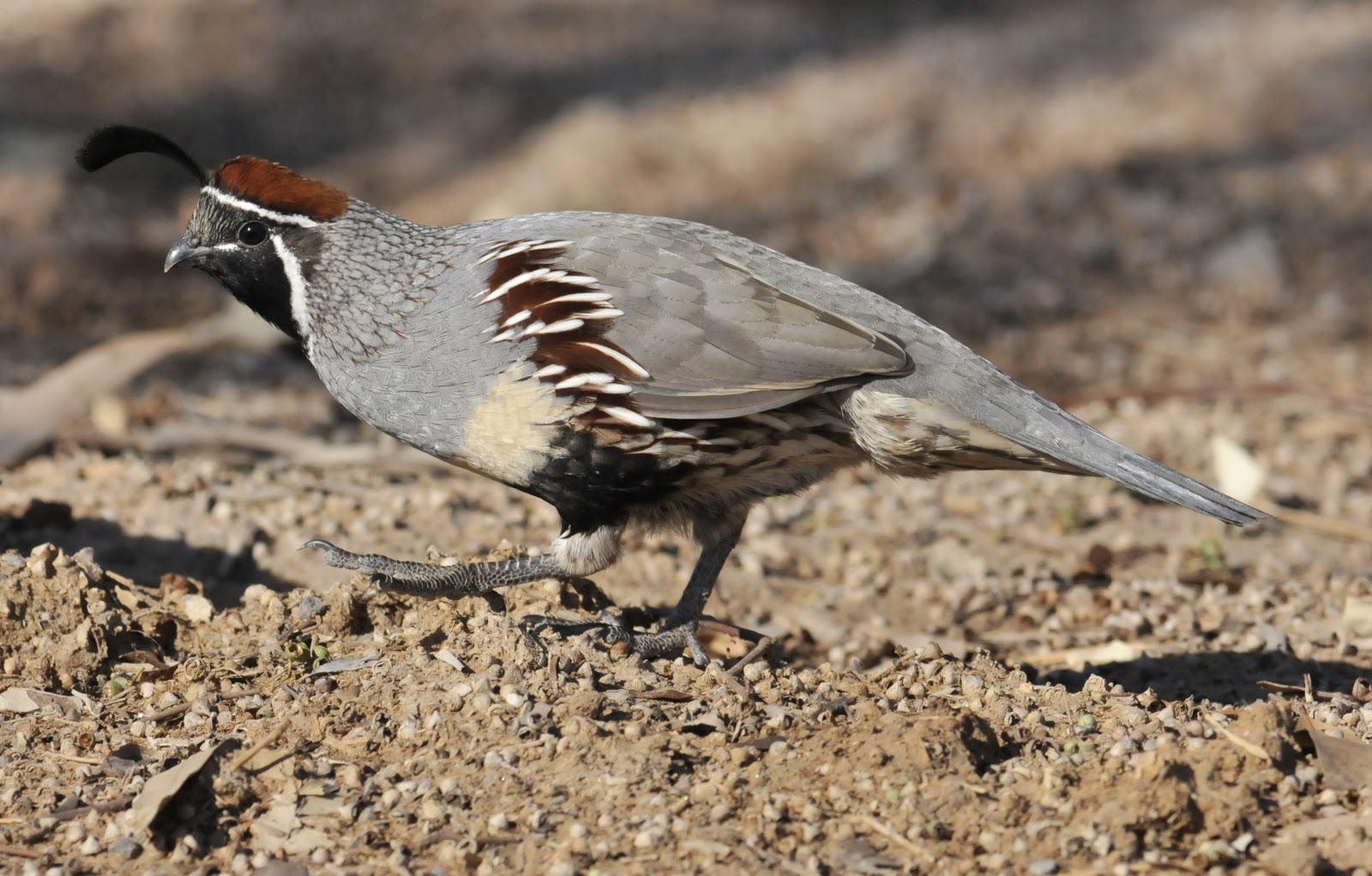
However this visit was pretty nice; we had some distasteful views perhaps but no odor and no soft sand or mud. We had a very nice and very long day. At one point we went into the town of Brawley and walked a nice (green) residential are where we found Gila Woodpecker and then stopped at the rodeo grounds (also green) where we had a flock of quail and lots of ground-doves.
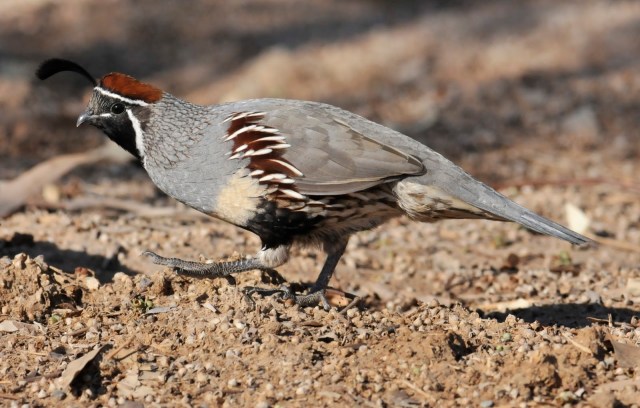
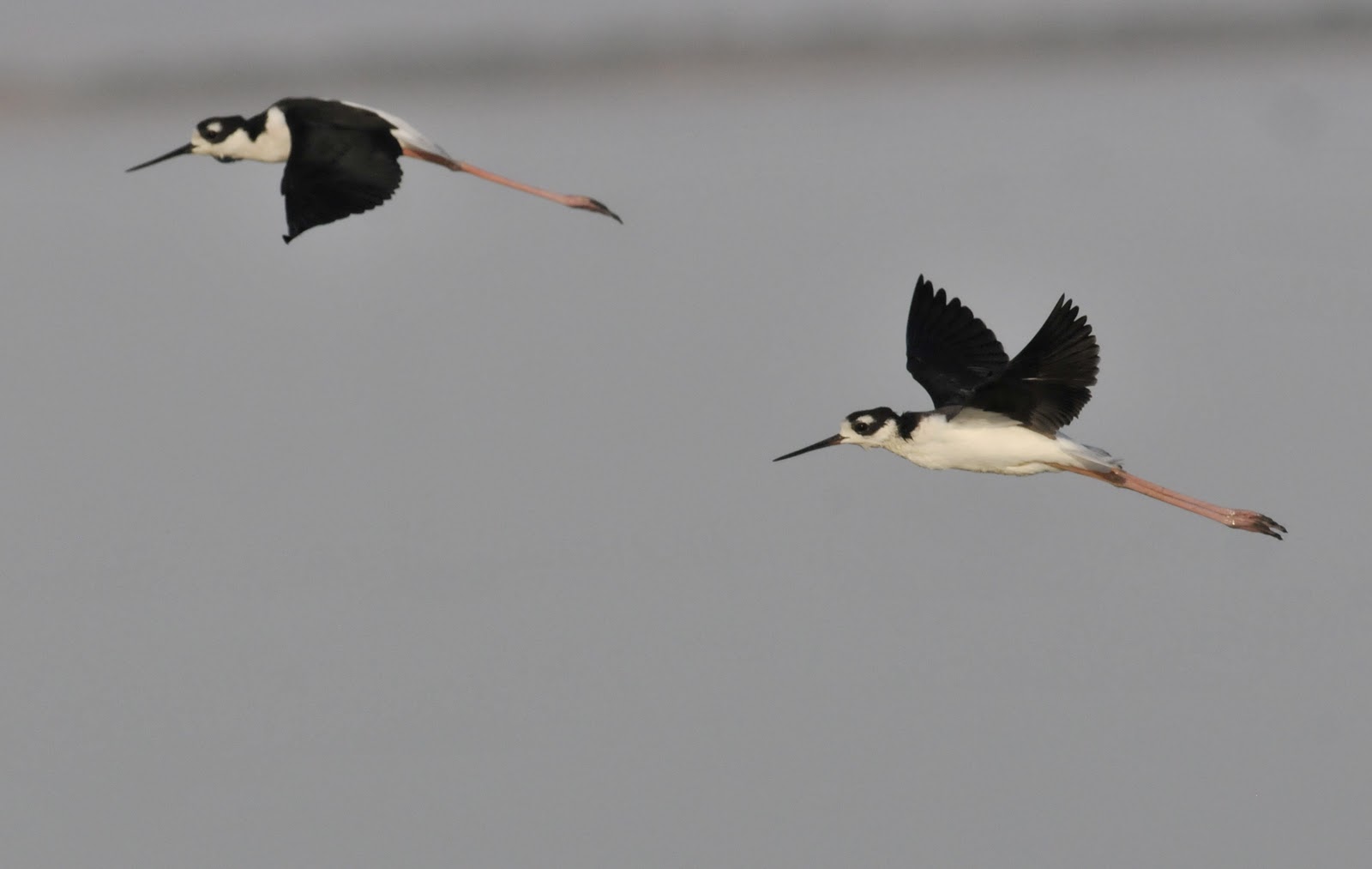
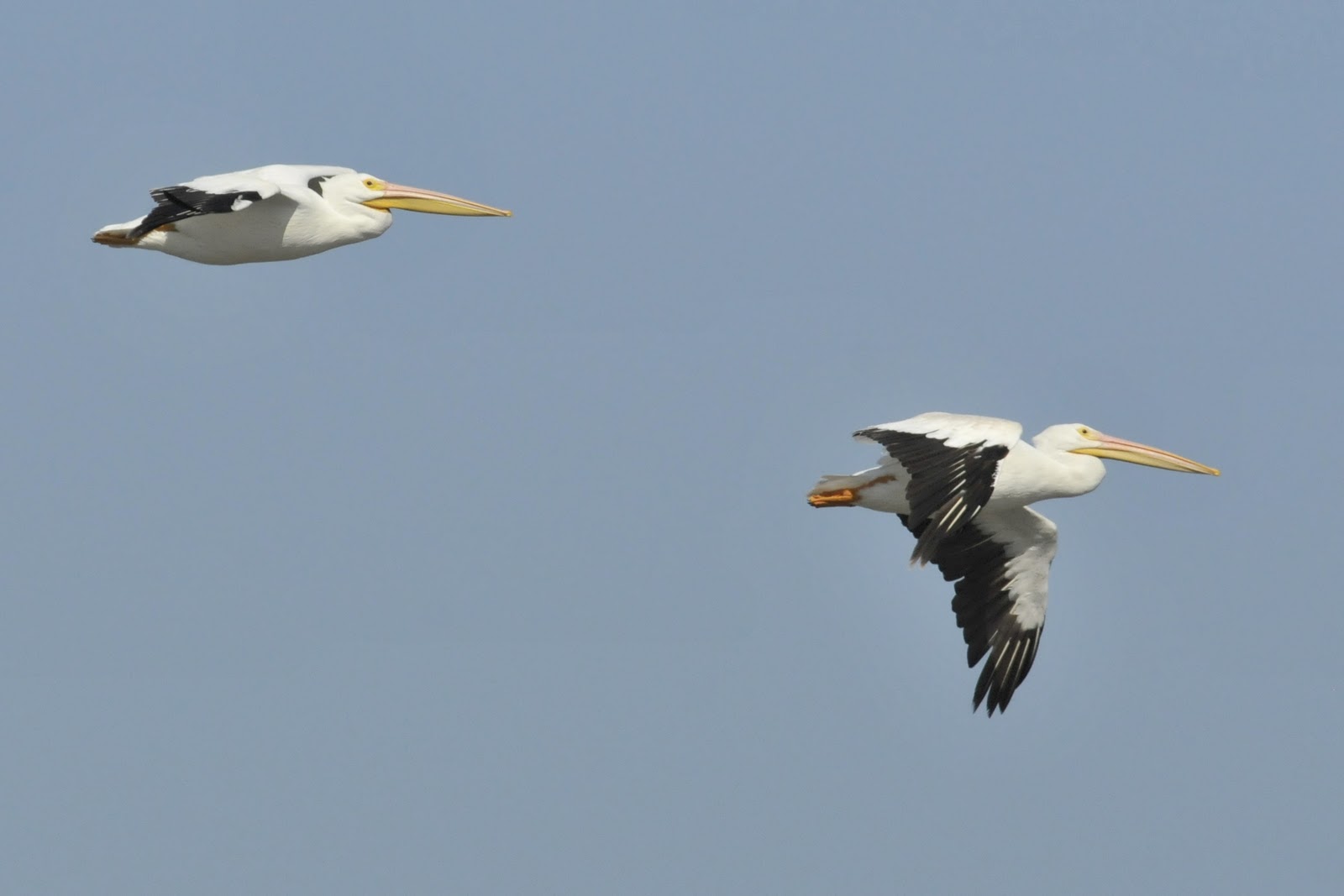
Most of the wildlife at Salton Sea is birdlife. There are some ducks among them and there is a hunting season. It is not an easy place to visit, bird, or hunt as the ground is really drying mud made of very small particles (clay-like) and salts. You can break through this slippery crust and find yourself in a hellish goo. The hunters will use small float boats and try to sneak up on birds. Birders have to walk a lot and use telescopes. There are always a few great birds at the Salton Sea (boobies, jaegers, rare herons) but it is often difficult to relocate things. The numbers that we saw included several thousand Long-billed Dowitchers and White Pelicans. There were hundreds of Stilt Sandpipers, Eared Grebes, Black-necked Stilt and Avocets. We ate on the way home; tired and happy with the outing.

Joshua Tree and Big Morongo

The town of Palm Desert is east of the San Jacinto and Santa Rosa mountains, yet only about 50 miles from the coast and has a myriad of destinations for both star-watchers and bird-watchers. The streets are named for luminaries of yesteryear; starting with Fred Waring* and on through Bing Crosby, Martin Landau, Elvis Presley, Monty Hall, Gerald Ford, Frank Sinatra and Carol Channing. These are towns of Palm Springs, Cathedral City, Desert Hot Springs, Rancho Mirage, Bermuda Dunes, La Quinta, Thousand Palms, and Palm Desert which were built and made famous by many of Hollywoods biggest names of the fifties and sixties. The desert now hosts an almost obscene number of spectacular golf courses and more than enough people and industry to tax the available ground water. However, it is a lovely area (despite the heat) and the towns are well designed and laid out. 
(*The house we rented in Idyllwild was owned by Bill Waring, Fred Waring’s son. On the living room wall was a poster of Fred Waring and the Pennsylvanians showing the band and the singers. The poster was sponsored (as was the early television show) by Old Gold cigarettes. The caption on the poster said “Old Gold – a great tasting smoke, not a cough in a carload”.)
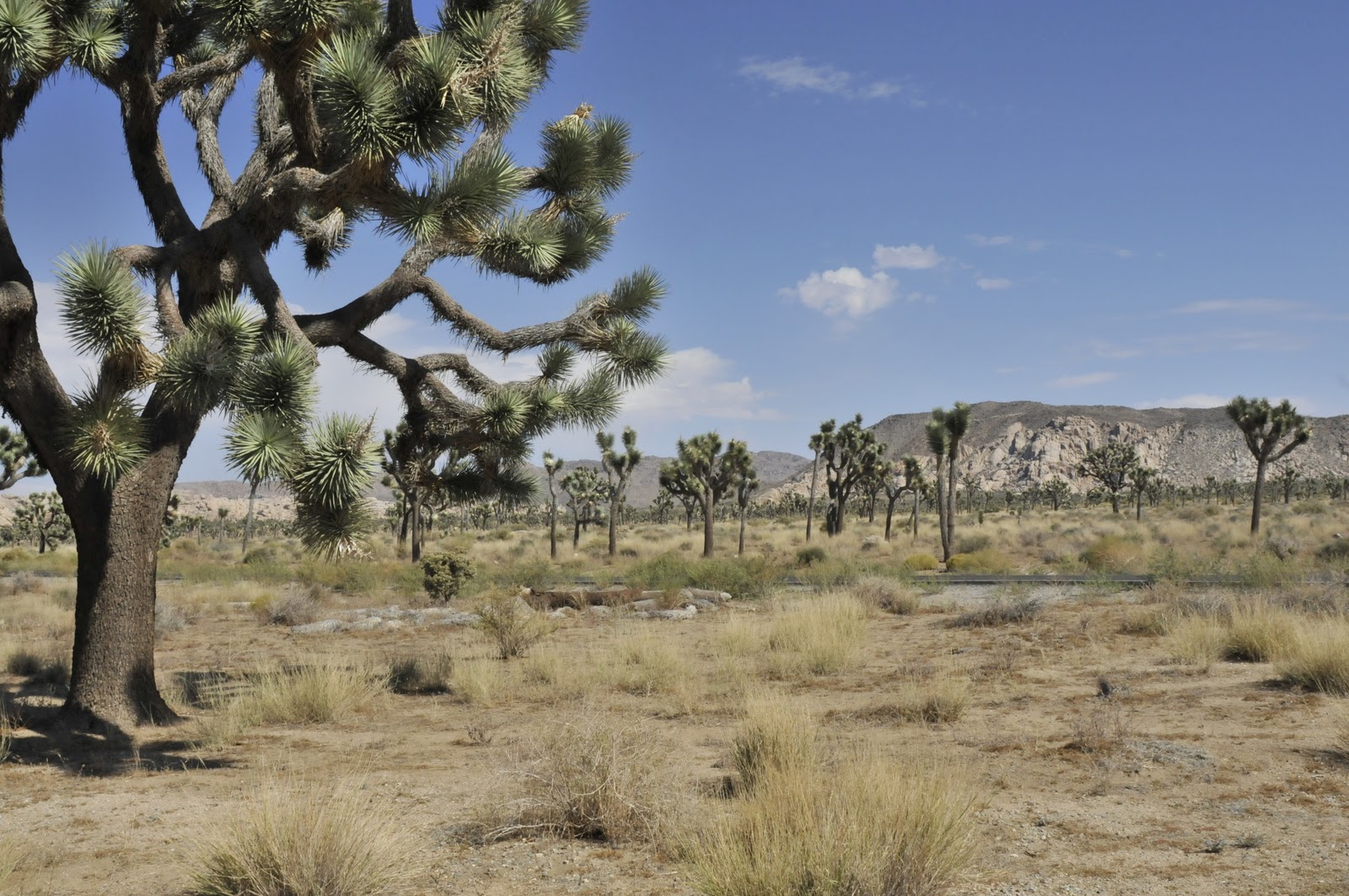
The weather for today was described as “cooling” and was not expected to go over 96 degrees. With that in mind we put off visiting the Salton Sea and headed out early and made a long day of the Joshua Tree National Park and the BLM land called Big Morongo. It was a great day. Joshua Tree covers two distinct desert types; the low elevation Colorado and the higher Mojave. The Colorado is a rather dull place compared to the Mojave. In the Mojave there are great rock piles and giant lilies known as Joshua Trees. The Colorado Desert has rocks and creosote Bush and not much else. Neither desert is bird-rich though both have lots of reptiles. Big Morongo is a narrow canyon that has water close enough to the surface to keep a long group of cottonwood trees alive and is a well known birding destination.


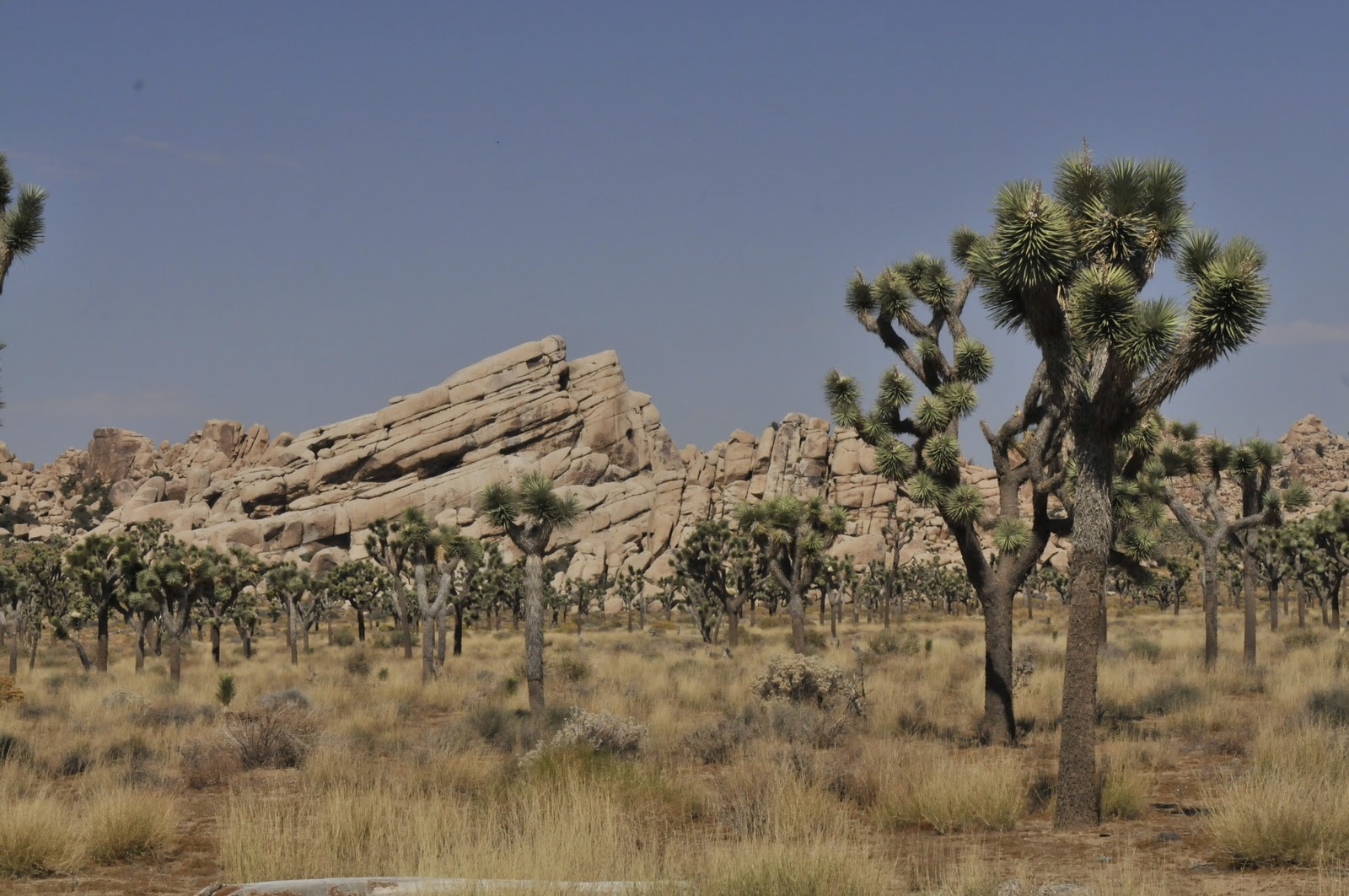
In the Serengeti of East Africa there are random piles of rocks that are called kopjes. Just like the great arrays of rocks in Joshua Tree these kopjes formed when molten plumes forced their way up from inside the earth. They never made it to the surface. the rocks here were about 15-20 miles short of the surface when they ceased moving. Then, and for millions of years, they were gently pressured by the lands around them and eroded by water descending through the earth. eventually the dirt above them eroded away and they were exposed. By this time this (monzonite) granite was worn and cracked. In some cases the rock looks like a loaf of bread and in others it looks like a pile of partially molten ice cubes. Erosion continues…. in Joshua Tree and in the Serengeti.


The Joshua Trees are a hoot. Very limited habitat and rather specific adaptations to soil, rain, elevation, and heat. There are fun to drive and wander through.

The day in Joshua tree NP was long and great fun. We went on to Big Morongo Preserve at the end of the day and had a great time watching hummingbird feeders with the host. Big Morongo is a BLM site with nice trails and lots of trees. It attracts birds that like insects, shade, and moisture.

The next blogs will be on the Salton Sea day and then one with bird photos – stay tuned. As wi-fi is not always available I will sometimes do 2-3 at a time.

California

Many of you know that I have had the very good fortune to be a travel guide for nature trips. It is a job that I should pay to do. I get to travel, visit, and learn about things and places that most of us can only dream of. Thirty trips to Africa and probably the same number to South America and the odd addition of visits to Sumatra or India or Iceland have peppered by life. I do the nature for the general population of travelers, in some cases the groups are birders, but in most cases they are travelers (mostly American) and I add a natural history base to their outing. It has been a wonderful opportunity.
 
Over the years I have written hundreds of pages of travel notes as a way of communicating the sights, sounds, smells, personalities, and activities of each of my outings. Generally these were saved and printed for Fran to read. Over the years I dreaded emails as they often caused me to have to write two sets of notes; one for immediate reading and one for the printed version. On a recent outing from Morocco to the Cape Verdes and on to Brazil, Argentina, the Falklands and ending in Ushuaia I sent emails to interested parties and sort of dropped the trip note format. I have since decided to start a blog so that you can read about (and see images from) my travels if you want to. The good thing about a blog is that I can do the same work and those who want to check it out can easily do so. Conversely, no one has to look at the site.


So, let’s get started.

This is the first of the blog entries for a few weeks of travel in October and November of 2010. Fran and I are in southern California as of the 8th of October and we will head right for the San Jacinto Mountains hoping for cooler weather than the desert or coast offers. The heat here has been running well over 100 degrees during the last week or so.  We may change plans to avoid the heat if it persists.

Joshua Tree and the Salton Sea are notoriously hot anyway – so we may head up the coast toward Morro Bay and Monterey if things stay hot. Last year we were in North Dakota for vacation and some birding – I think this will be quite different. No more empty roads and small towns. {An aside on Fargo, North Dakota. We were very surprised, after watching the movie, to find Fargo to be a wonderful small city. The streets, mile after mile and all the side streets, ran under canopies of American Elms. It was a fairy-tale scene. For those of you in most of the country, the American Elm grows into a champagne glass shape when mature. Maturity is now a rare thing as most elms have disappeared as victims of the widespread Dutch Elm Disease. But in Fargo they were majestic. Oh yes one other thing; Fargo has parkland along its river side. Thus when we hear of all the flooding in Fargo it usually floods only the open space and not the homes. The press was covering a rather non-existent flood when we were there. It does flood residential areas across the river in Minnesota though.}

So, here we are in the hot desert town of Palm Desert. In the old days it was Palm Springs that was the draw to this area – now the area is a long chain of towns (Palm Springs to Indio including Rancho Mirage, Palm Desert, Indian Wells and a few other spots) with, probably, Palm Desert as the nicest right now.

As good birders ought to do we visited the sewage lagoons this morning. They have created vegetated wetlands and built observation towers in the outer reaches of the treatment facility. It was nice to be amongst Sora, Moorhens, Shovelers & Redheads, White Pelicans, Pied-billed & Eared Grebes, and hundreds of mallards, Coot, Cinnamon Teal.