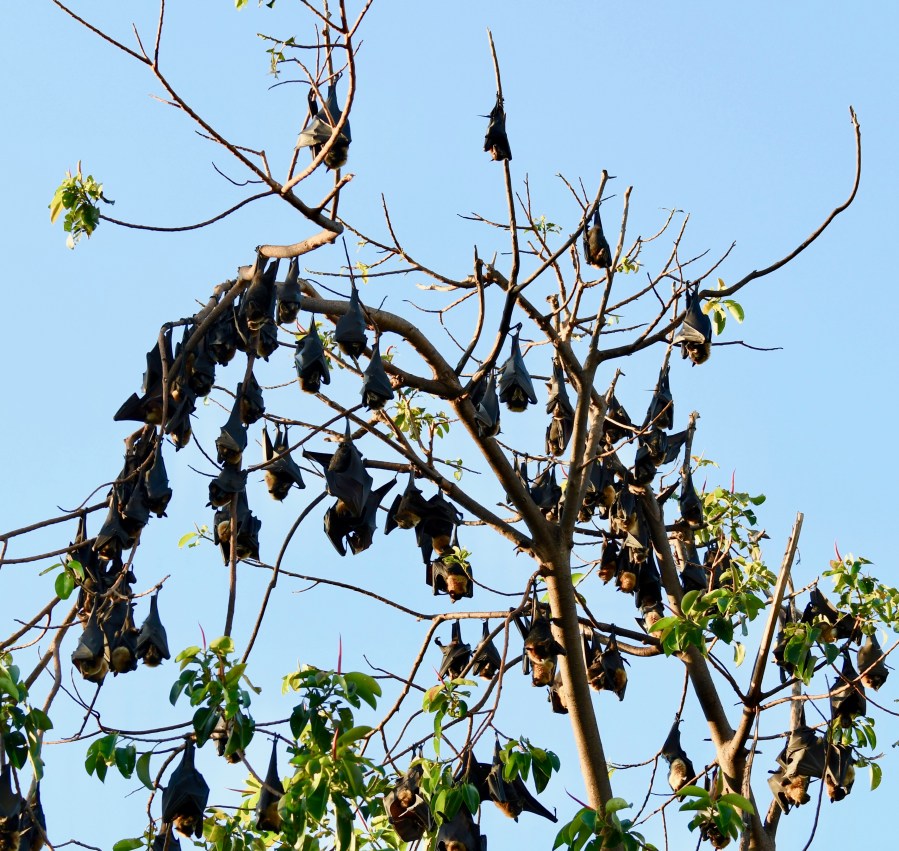
There are several species of flying foxes or fruit bats in Australia. The group is quite common all along the western rim of the Pacific Ocean. In Cairns (pronounced “cans”) the spectacled fruit bat is the most common of the bats. I have always wanted to get a good image of them hanging out during the day or flying as dusk approaches. To my mind these animals look like small dogs hanging by their rear feet in the trees; the same might be said for the epauletted fruit bats of Africa. Here are a few attempts from this evening.
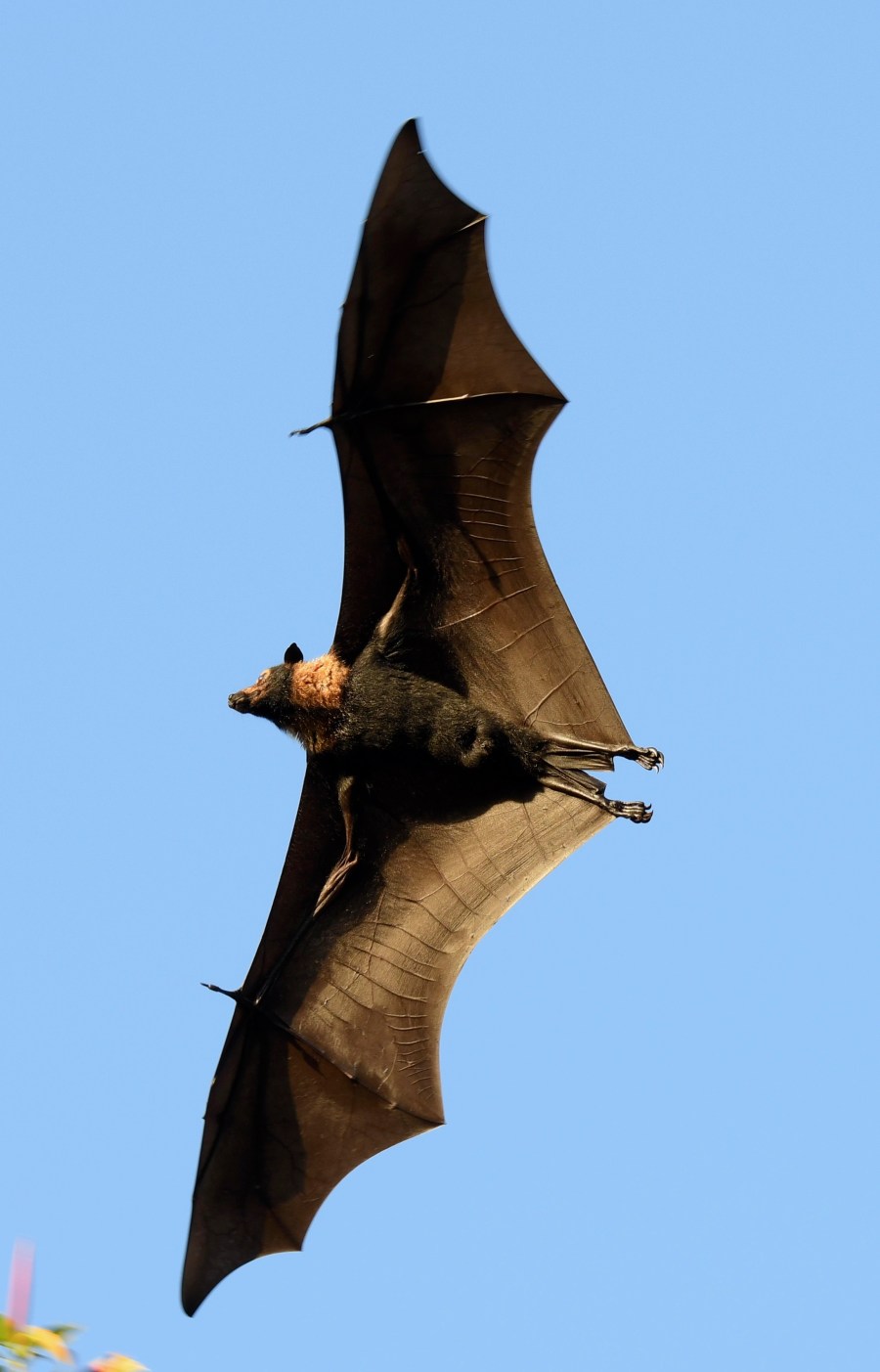
There are thousands of fruit bats hanging in downtown Cairns; they are a real highlight as they start to fly, drawing tourists and locals every night. But if you live here and have to walk the sidewalks or park under one of their roost trees you are not fond of them. The City Council is lopping branches to make the trees less suited to the bats daytime use and to (perhaps) thin out the concentrations at a minimum. The droppings will burn the leaves of the tree leaving some branches bare; but most of the bats in downtown Cairns roost within the foliage.Though the spectacles don’t show very well this is a spectacled fruit bat. The ruff of light fur is also characteristic. They will fly up to 40 miles each night to eat fruit and carry pollen as they move from plant to plant. They are very important pollinators seed spreaders in tropical forests.This image isn’t perfect but it does show that the wing is built like a human hand with long thin fingers which are encased in a thin skin of webbing. Just like whales, seals, and humans; the flying fox hand is that same old mammal design we are familiar with. As the sun sets thousands of fruit bats head off toward whatever is fruiting at the moment. This image shows them going west in the same area from which they have always gone east and south. Somehow they learn. Somehow they change. Perhaps the noise, and there is a lot of it, that emanates from the trees was dusk settles in is the exchange of information about who ate what last night. The fruit bat “yelp” system may be active every evening as the sun goes down.
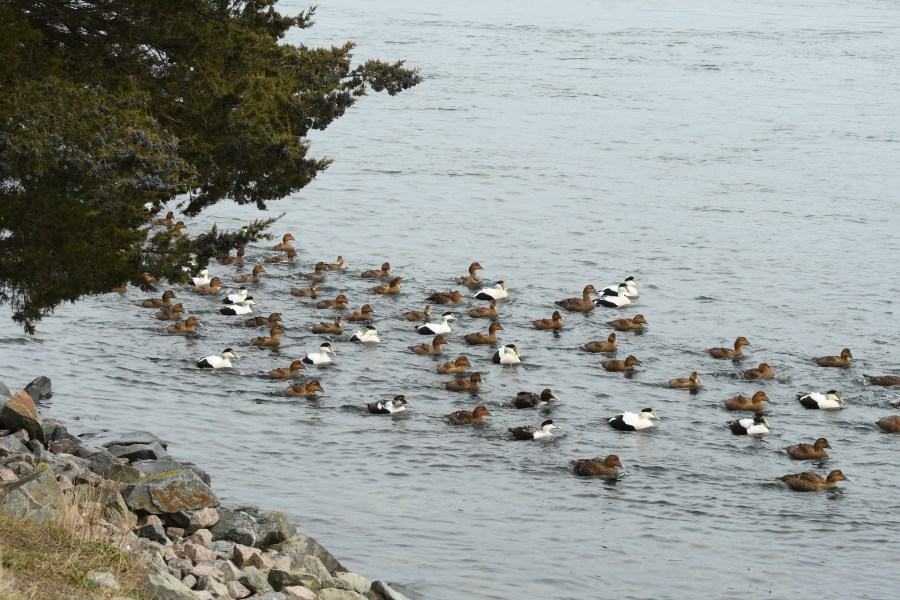
The people of the far north lands will use (or did use) the skin of a Common Eider duck, with body feathers attached, as insulation inside their footwear. The dense highly aerated feathers keep the chill away in a part of the world where chill can kill. The Cape Cod Canal is a favorite winter hangout for Common Eider in Massachusetts. Actually they are common in all of our coastal waters in the winter and are now nesting on the rocky islands of Boston Harbor in good numbers.
The young non-migratory males have long been summer residents in Duxbury Bay, Plymouth Harbor and all the bays to the north of Boston as well. The males don’t breed in their first year and are less inclined to migrate north to breeding areas. Even though we have some breeding in the area, most still fly well north of Massachusetts to nest.
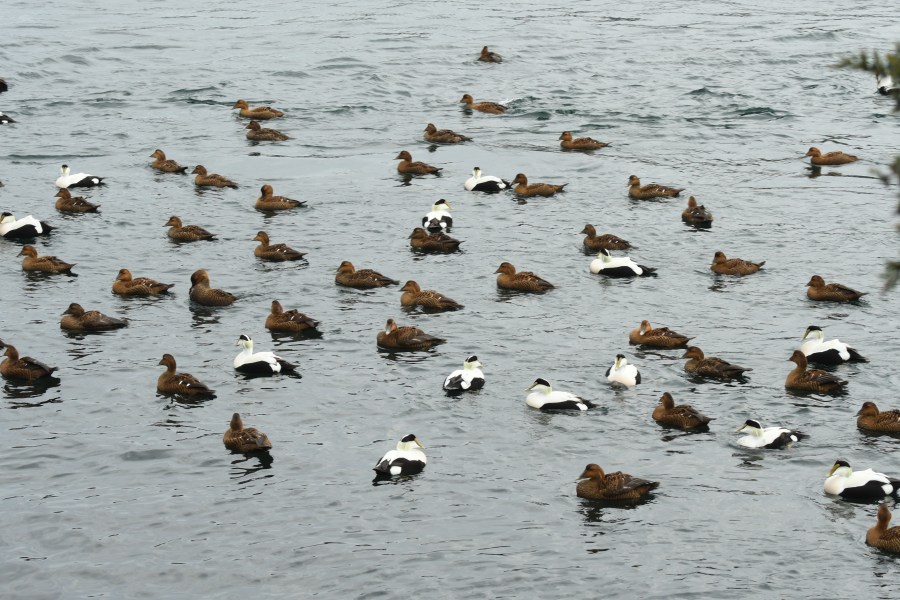
The other day I snapped a few images of eider in the canal. They feed on bottom-dwelling mollusks as well as small crabs. Most of the time they just seem to hang out in mixed flocks and drift with the current/tide that flows vigorously through the canal.
In migration the flocks are often single-sex or nearly so. In the canal there is a rather even mix of genders. However, the birds of the year, 8-9 months old (and only surmised by looking at males) are not as common as adults (2 years for a male, one year for a female) in these waters.
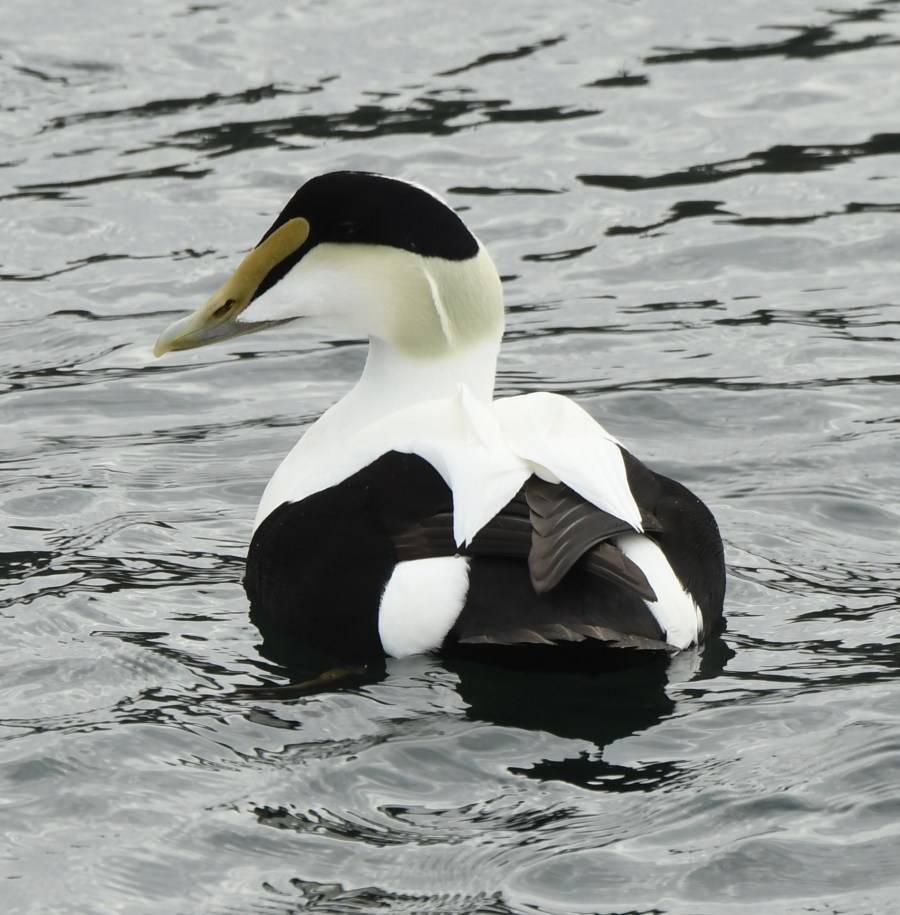
The males cut a rather dashing figure. The aquiline nose and shading draw attention to the bold pattern of the body feathering. Like most species the passing of genes is not a sure thing. Odd splotches or patterns of white feathering, is common in many bird species but I have noticed it rarely in eider. They drift along the edge of the canal riding the slower waters at the shore line. The water in the middle of the canal is much more rapid and is used less by loafing eider. They seem to be able to dive/feed through the full width of the canal as they are often seen diving in the middle. The numbers and exact locations seem to depend on the tides; but they are always there along with Common Loons, Red-Breasted Mergansers, and a few scoters.
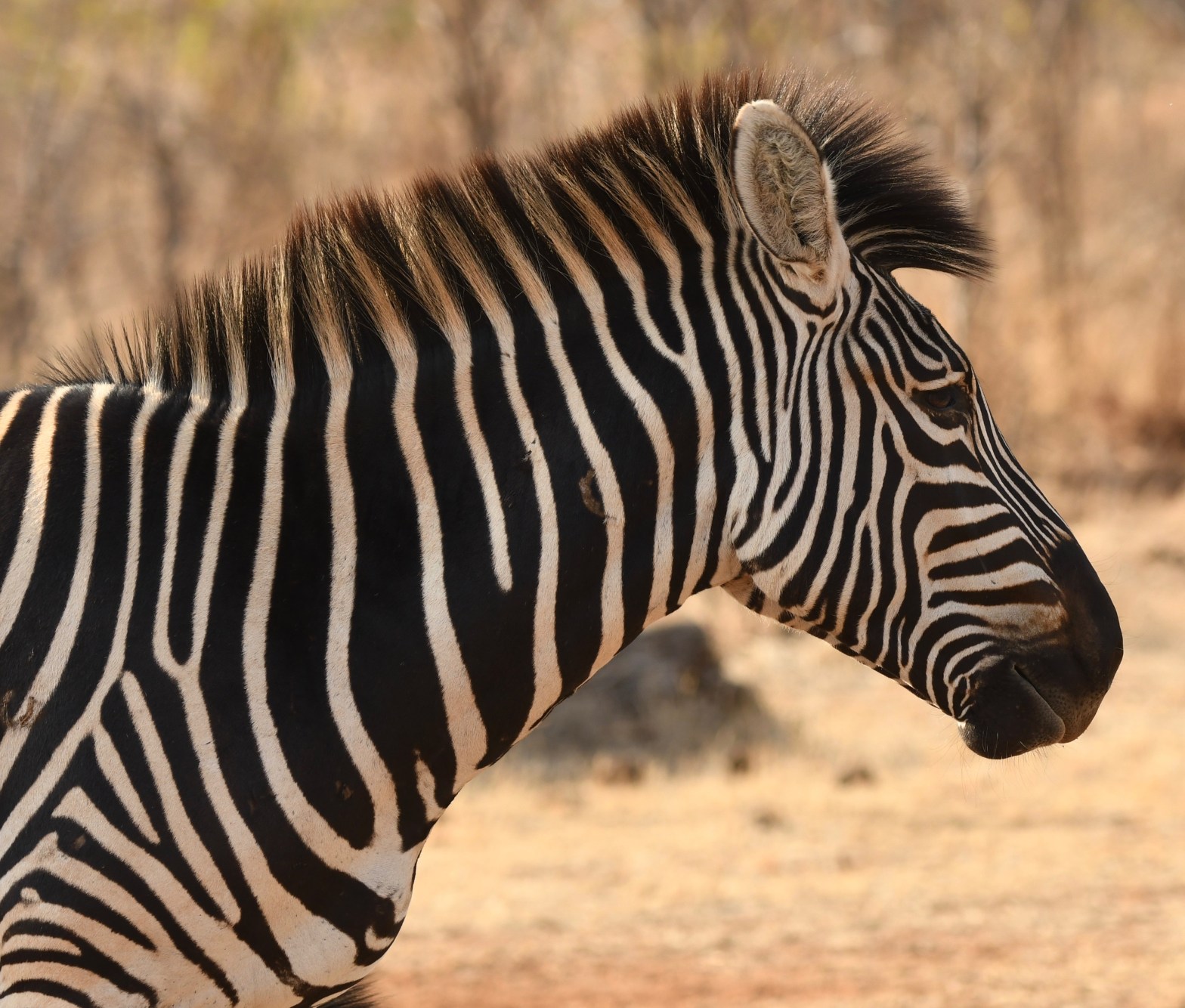
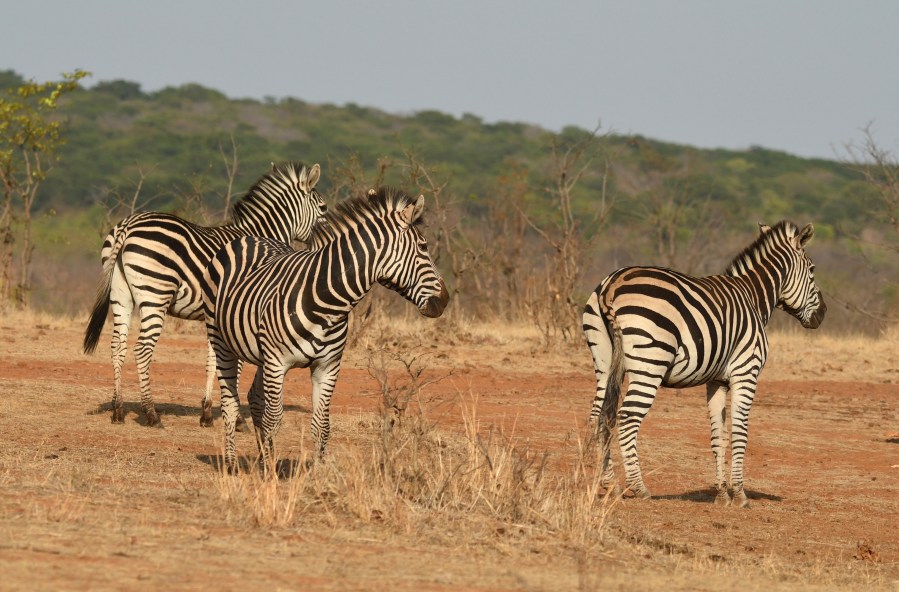
-Zebra occur from East Africa down through the southern African countries. There are some easily seen differences between the northern and southern populations but by and large they are the same creature. There are six subspecies (races, populations, genetic groups, clades) throughout Africa. The Grevy’s Zebra is found north of the equator (mostly in Kenya) and is in a second genus. Grevy’s is the zebra with tight narrow striping; a real beauty. All the others are closely related and in the same genus.
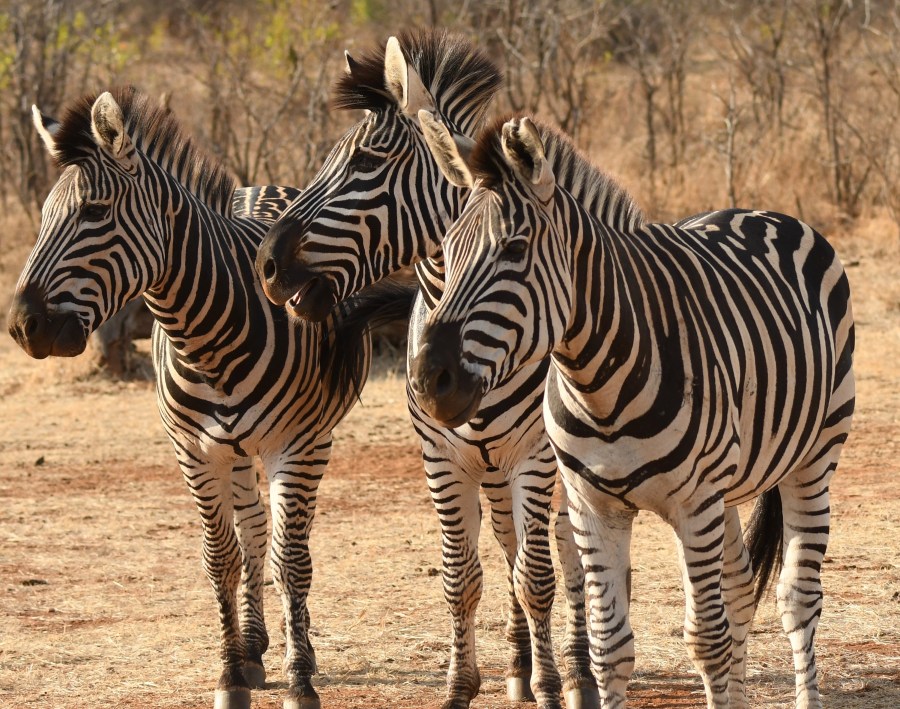
-The great herds of migratory wildebeest that can be seen in Kenya and Tanzania are often accompanied by thousands of Common (Burchell’s) Zebra. Though they are often seen in large groups, like many animals (elephants, crows, and others) they are really in smallish family groups that have gathered together. The zebra family is usually one male, two or three or four females, and a few youngsters. The male is noisy and overbearing especially if the group is mingling with other zebra.
-The images below show a male exhibiting his power/presence/frustration for a small group of family members our perhaps another male. This show of strength might have been caused by the approach of a second male or even by the behavior of a nearby young male (perhaps a son) who is getting a bit to interested in the females.
-When large groups form, as in the migration, the noise can significant as all the males call loudly and often in trying to consolidate and organize their family and yet the overall group is to large, and to self-interested, to allow each family its personal space. In East Africa when migrating zebra have to cross a river, usually when headed back northward into Kenya, the family is rarely able to stay together and the males can often be seen in the middle of the rivers bawling loudly to get the females or youngsters together. This often causes zebras to be swimming both in the direction of the migration and then returning to the departure spot to get things organized. Chaotic and totally disorganized.
Males do carry on. a bit. Aggression and noise play a big role in male-male relationships. Kicking and biting are common . Notice in this picture that the zebra looks solid but not supple. The back is quite rigid. This has been one of the physical metrics that has kept these horses from being domesticated. They also panic under stress and never really become predictable. They have been bred with donkeys but there is no location where they have been domesticated.
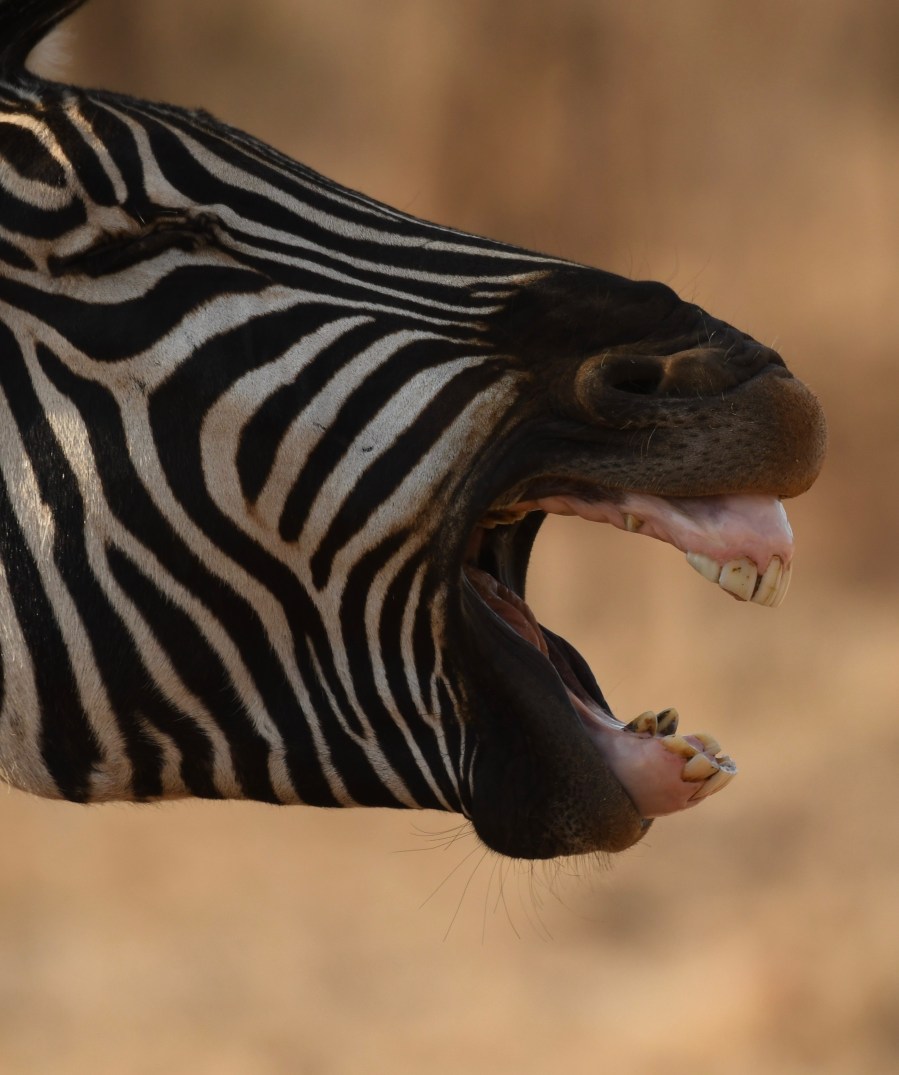
The females are a bit more placid. They watch the activities of the males with only a modicum of interest. Gestation is just over one year and the youngster will stay with the family group for more than a year. A youngster is reddish brown at birth and may be nursed for about a year. Males will gain breeding rights, and hold a female group, at age five or six. Females will mate and bear young after they are three.This male is vocalizing. But it also gives us a look at its mouth. There are teeth in the front of the jaw, both top and bottom. The animals are grazers so these teeth clip and nip the grasses. The foods stuff passes to the rear of the mouth where there are molars to grind it and mix it with saliva to get digestion started. The food is “digested” in a cecum at the far end of the stomach. They do not ruminate nor do they chew a cud. They pass a lot of forage through their bodies and skim the good stuff from their food in a hurry as it passes quickly through them. They graze for long periods every day, they eat a lot.
Between holidays, travel, winter, and computer snafus I have been unable to get blogging. But here we go again.
Just to get started I’ll do a little quick thing on a couple wintering bird species to see if the new MacBook Pro and WordPress get along.
Here in New England we see most of our avian friends depart (or pass through as they leave Canada, eh) our latitude in August, September and October. We look for lingering land birds through late October and November. By December we hope for the occasional western bird or summer bird or most anything that will increase a birder’s heart rate. This year we were swamped with warblers and vireos with a few tanagers as well, nearly into mid-December. Then it got cold, very cold. The local Christmas Bird Counts had few unexpected birds and the snow and cold has persisted for several weeks.
But there are a few bright spots in our nearly birdless landscape; Snowy Owls and Canadian Maritime robins. The owls are regular if not common. They can be found at Logan Airport and other tundra-like expanses. (Google “Norman Smith Snowy Owls” to get a sense of how Boston treats and counts its Snowy Owls. The wintering American Robins are not our breeding birds but they are those that breed north of the Canadian border. They are our winter robins. Our breeders are in Georgia or the Carolinas enjoying a milder winter.
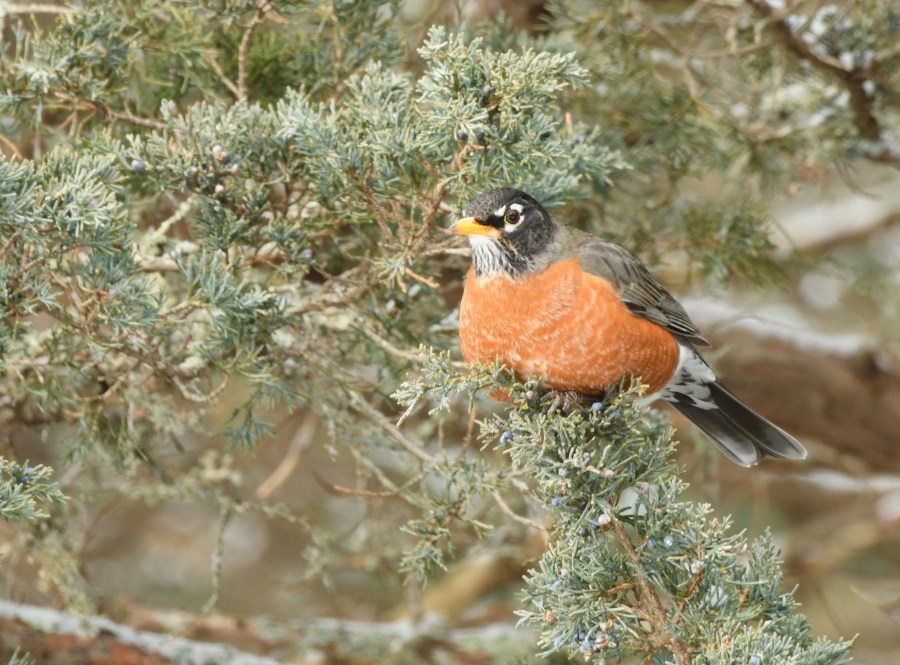
The wintering robins are blacker in the head and usually darker on the back and a richer (deeper) red underneath when compared to our nesting birds. They will eat fruit all winter; privet and bittersweet if they have to, but they favor cedar and holly berries. On Cape Cod where the berries are most abundant the birds will gather in large roosts in the evening and spread out to forage in the day time.
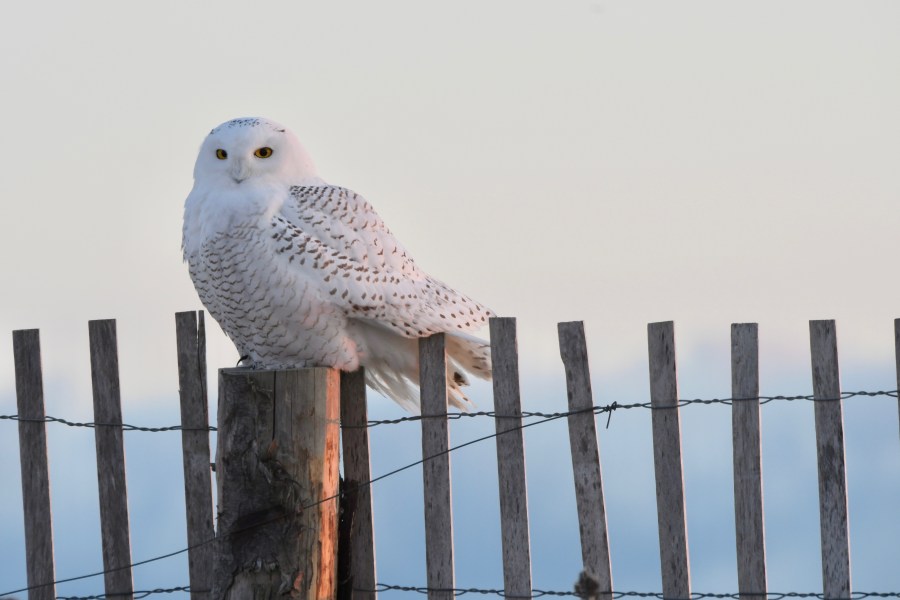
This Snowy Owl was photographed just before sunrise on Duxbury Beach south of Boston about 25 miles. The captures and releases by Norman Smith over the years have shown that our wintering birds are both young and old and that the whitest and darkest among them contain both old and young and male and female birds. We always surmised that the darker ones were young, but not necessarily so it turns out. Norman has put transmitters on many Snowy Owls over the past twenty years and has followed to Canadian n eating sites ands on a few occasions watched them move around after the nesting season.
I have a friend who is/was a fabric physicist and was instrumental in creating one of the extruded polymers that we use for insulation in winter clothing. When he started to research the properties needed to hold warmth he looked at the feathering of both Snowy Owls and Common Eider ducks. As it turned out (if I remember correctly) the best polymer-fluff that we use every day is about 80% as good as the feathering on these birds. We surmised that is was darn near impossible for a healthy Snowy Owl to get cold.
One of the things that Norman has determined is that these lemming-eaters do not depend on Microtis (voles, field mice) when they are down here in the winter. For sure they eat them but the major part of the diet fo these coastal birds is waterfowl. Duck and mergansers. one time at Logan Norman watched a SNOW take one Black Duck a day from a pool at the edge of the property. There started off being 21 Black Duck swimming around and then 20, and then 19, and then 18, and so on until it took that last one at the end of the third week. The owls that are on barrier beaches, or out on Cape Cod, will fly out over the ocean as the day darkens and pick off a Bufflehead (usually available and a good size) and return to shore to eat. This behavior was unknown until transmitters were placed on owls and the cost of receiving information dropped. Much of the technology is now transferred as telephone message are; in the old days it was satellites and lots of money that got your information down to earth.
This page will hit on a few of the more interesting birds and whales we saw on Sunday past. The whale highlight was the grand old lady of Stellwagen Bank, Salt. She was the first whale ever named and has now been known to have 14 youngsters that have accompanied her, over the years, back north to Cape Cod Bay. She is a grandmother to at least four whales. Pretty cool.
There have been thousands of shearwaters off the Cape this summer. The small fish have been profuse. Most of the fish seem to be young Menhaden (bunker or pogy), an oily forage fish of these waters. The small ones are about two inches long now and must number in the millions; maybe lots more. At one point they were the whole wrack line; no seaweed but tens of thousands of small fish glittering in the August and September sunshine. It was amazing. The edge of the sea had gulls and terns and shearwaters by the thousands. It was a glorious feast.
As we move into fall the older birds have returned to the southern hemisphere to nest (many nest quite close to Antarctica) leaving immature birds here for us to ogle. In many cases the adults simply don’t come here as breeding is a priority and breeding is geographically limited. The adults are probably already five thousand miles south of us. But there were some birds to see.
That may be confusing: the gannets nest in our summer to our north, the Cory’s nest in our summer in the eastern Atlantic. The Great Shearwaters nest on a few islands at the bottom of the earth with eggs being laid in the southern summer (November) and the young fly north starting May (usually).
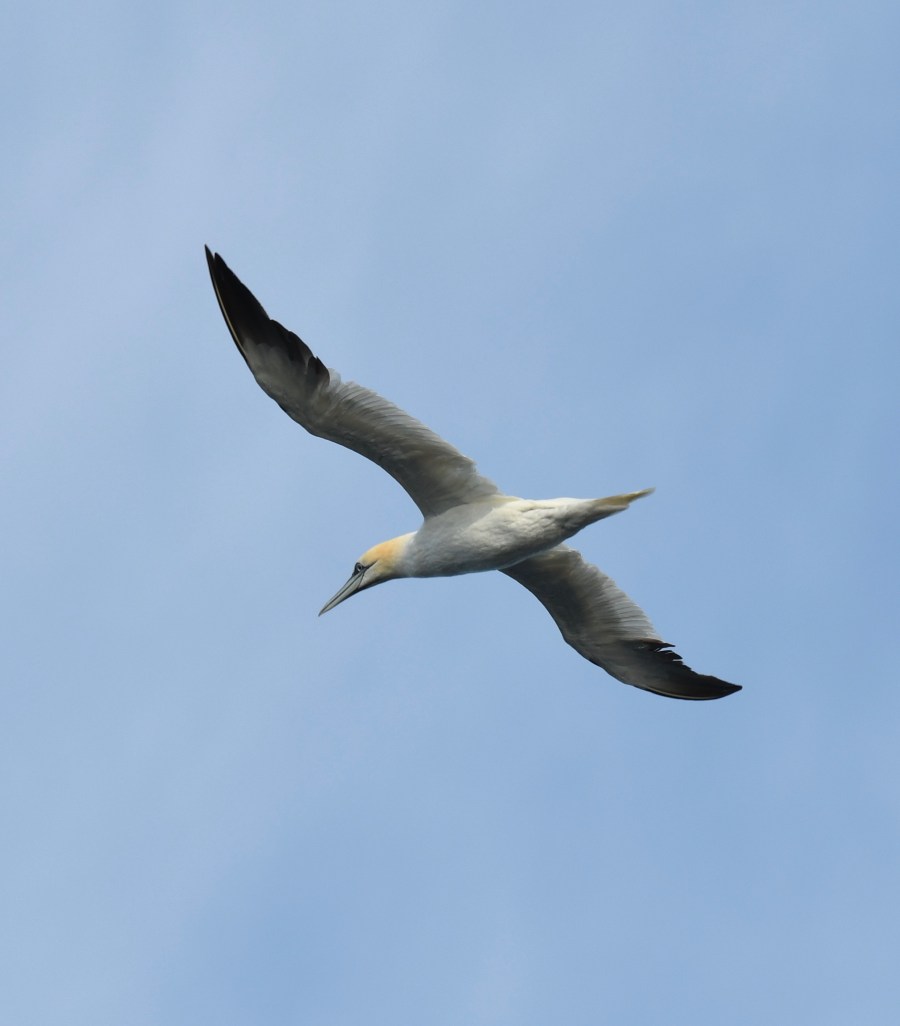
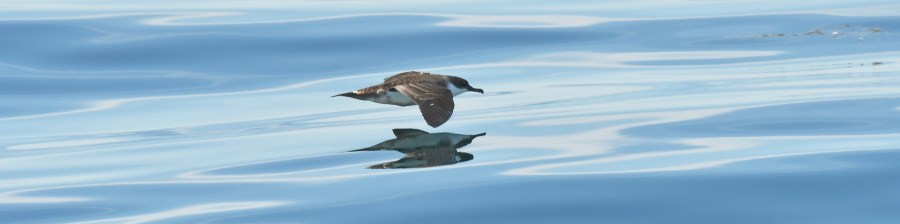
The Northern Gannet is a diving bird; totally oceanic. The one in this image is at least five years old and probably bred to our north in the Canadian Maritimes. They have cushioning layers that keep them from getting concussions as they hit the water. They dive deep and then spear fish on their way back up – much like boobies in the tropics.Cory’s Shearwater is an east-west migrant arriving here for our summer. Again, we see young birds as the adults are back in the eastern Atlantic on nests. The species are, or can be, found throughout the Atlantic and into the Mediterranean Sea. They probably range south to Brazil on our side of the ocean and all down the African continent on the eastern side. They are island/cliff breeders and colonies can be found in the Mediterranean, the Canary Islands, the Azores, and other places. Most winter off the coast of Africa. As I mentioned the wind was down, the day warm, and the birds and mammals pretty good. This Great Shearwater is cruising about as low as it can on a nearly flat sea. Again, we are seeing young birds as the adults are in the Southern Hemisphere on islands like Tristan da Cunha and Gough (way in the southern waters) tending to their next generation.
We also saw a couple of Fulmar, which is a petrel, though in the same larger group as the shearwaters Procellariiformes. These birds live on salt water and eat from salt water and have to get rid of the salt they accumulate. They have glands in the head to remove the salt and small tubes on the bill through which the concentrated salt if removed. This adaptation is found in albatrosses, shearwaters, fulmars, petrels, storm-petrels, and diving-petrels. The highest diversity of this group is found around New Zealand. The northern hemisphere birds of a similar live style (puffins, razorbills, murres, dovekies) are not tubenoses and utilize a different method of avoid salting their metabolism.
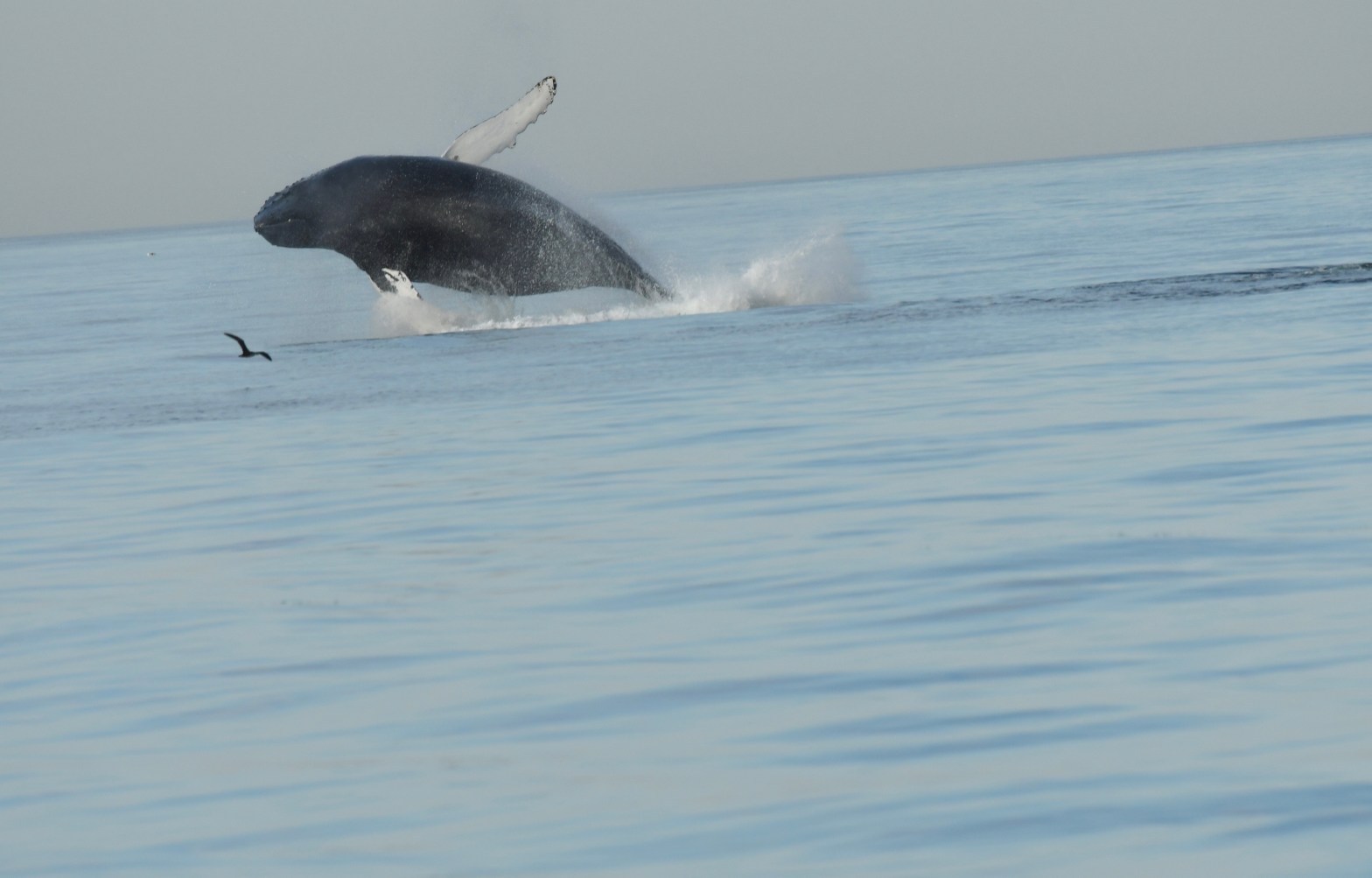
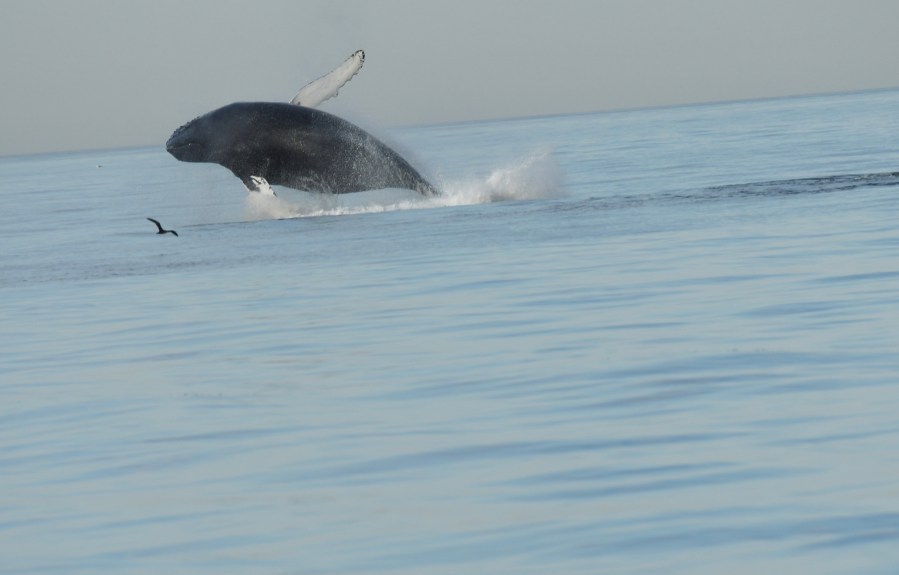
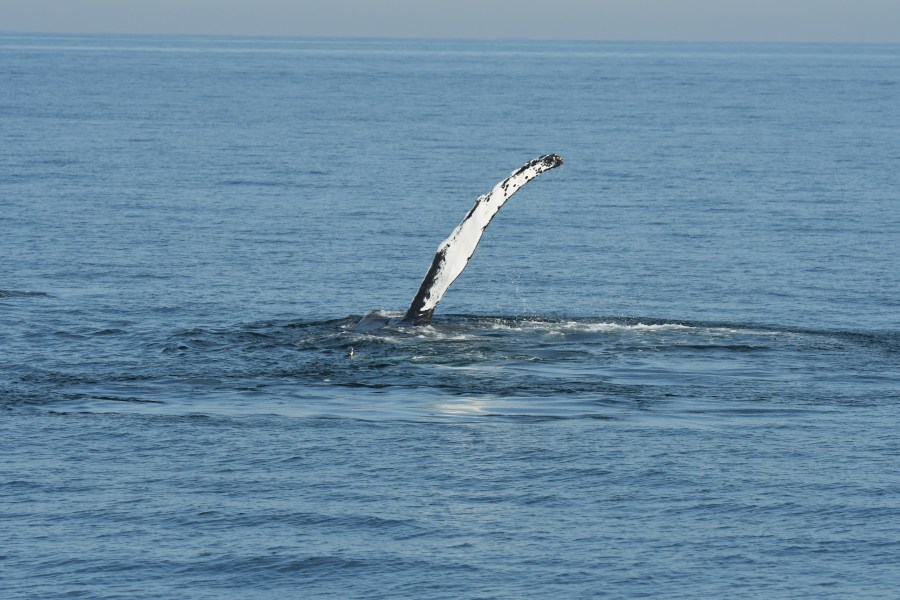
The Lovely Frances saw this whale breaching from several miles away. Once we got the vessel sort of close it had mostly stopped. I snapped on picture from a mile or so and this is it. Breaching is an activity that baffles researchers. Is it fun, is it sending messages, does it remove parasites or barnacles or is there something else? It is an awesome (in the real meaning of the word) to see a 2-30 ton animal spring from the water and crash down with a huge splash – whatever it means or why-ever it’s done.A chin-breach is another behavior that is seen. Much like spy-hopping it lifts the head out of the water. Maybe they are looking around. This animal is exhaling as it lifts from the water.Flipper flapping must be a kind of splashy oceanic Morse-code; or maybe not. This is another activity that is rather often seen. Remember that 99.9999 percent of a whales life is lived under water and unwitnessed by humans. I wonder what they talk about.
It is supposed to be crisp and clear here on Cape Cod in mid-October; the 22nd however was clear, hot, sunny, and windless. It was glorious summer day for those who like summer. I was working (certainly not very hard work) a whale boat for NECWA (Google it, support it) out of Gloucester, Massachusetts. Krill Carson organizes an all-day outing twice a year to get 100 of her friends and supporters out on the water. It is ostensibly a fund-raiser, but generally we see it as a fun-raiser. Eight hours on a fast boat doing the bidding of 100 naturalists is as good as it gets.
We saw five species of whale (the larger ones; Minke, Humpback, Fin), two smaller toothed whales (Common Dolphin and Harbor Porpoise), two seals (Gray and Harbor), three species of sparrows (really!), and lots of seabirds (Great, Manx, Sooty, and Cory’s Shearwater as well as Fulmar and Razorbill). Of course there were lots of gulls but Black-legged Kittiwake and Bonaparte’s Gull were the only non-breeders. We missed Sabine’s, Lesser Black-backed, and Little Gull – can’t have everything I guess.
One of the highlights was seeing a Mola Mola or Ocean Sunfish. This is a big parrot-headed fish; actually it is pretty much only head, floated/swam right along the side of our boat. We had close up looks at a pretty good-sized one. Krill is trying to do research on Mola Mola but as it is not endangered, very heavy, and oceanic she is pretty much limited to dead fish and a limited number of colleagues with whom to consult. She is also collecting data on Basking Sharks – NECWA (please Google it) is doing what it can to get information and people interested in these lesser known species.
There you are out to sea and just ahead there is a triangular fin! Could it be a shark? Danger? Nope, in this case it is merely the goofy looking Ocean Sunfish (Mola mola). This realization may not be reached until your blood pressure spikes and you perspire heavily; but this fish is harmless unless it somehow falls on you. It is the heaviest of the bony fishes weighing at well over a ton in some cases. 500 pounders are run of the mill.Krill Carson of NECWA (still haven’t googled it? You should.) Has a tripodal device with a hanging one-ton scale – she has that setup because the 1000 pound scale he had previously broke with one of her heavier sunfish. It is somewhat amazing that these fishes reach this weight with a diet of only jelly fish. There really isn’t much known about the creatures excepting that all the Mola mola seen in our waters are non-breeders. The big ones must be pretty old but none have yet to be found that are sexually mature.The image above was taken by Chris Fallows and I grabbed it on-line. He must have been in clear water, under water as well, and with a decent camera. This is what an Ocean Sunfish looks like when you are in its habitat; a big fish head with a frilly sort of tail.We also had a nice pod of Short-beaked Common Dolphins. The black eye patch is pretty distinctive though not easily seen in the fast-moving splashing pod, and there are a lot of dolphins that look similar. As a matter of fact dolphins are not easy to identify as they are usually seen only from above and they are all about the same size and generally the same grayish color dorsally. Here in Massachusetts we have the Atlantic White-sided Dolphin and the Common; though range maps show that others can occur here. The light patterns on the side are helpful but are seen on many species. The Common Dolphin is pretty much world-wide in distribution in warm water, excepting the Indian Ocean. We look for the Common Bottlenose here as well.
OK – now please go and Google NECWA and learn of their activities, interests, and needs. Thank You.
Incidentally, we were on the Privateer IV, a boat operated by 7 Seas Whale Watch in Gloucester, MA and our Captain was terrific (Jay Frontierro)
The next blog page will be from the same day and deal a bit with the Humpback Whales and a few of the sea birds that we came across.
Most of New England is woodland. What farming there is, is done on a small-scale due to rocky soil, undulating terrain, residential growth, and that long-ago move by (profitable) agriculture to the central part on the US. The forests here have grown significantly in the past agriculture-free century and a half. There are lovely small farms and organic veggies available all over the region but there are no great swathes of corn or wheat or even potatoes now. However, we still do grow cranberries. The cranberry is a native plant that (like almost all other humanly consumed plants) has been modified (rapidly evolved) at the hand of man during the last couple centuries.
Cranberries require peaty, acidic soils and a lot of water. The bogs were originally created out old glacial kettles that had developed a peat bottom from undecayed sphagnum moss mostly. Nowadays the wetland protection laws pretty much forbid altering a wetland and thus most bogs are created from dry land. With land values increasing it is difficult to create a bog; thus we have seen the industry move to wetter and less costly locations. These new sites include the northern midwest and southern Canada. But here is what happens here in eastern Massachusetts in mid-October.
Bogs can be quite dry as long as the spoils and water are right. Thus a small dry-bog can be managed and dry-picked. The larger bogs are in lower areas with water available to flood them. Flooding protects the plants in the winter and floats the fruit during harvest. The lawn-mower like thing in the left-hand image is a “modernish” dry picker. It rakes the berries off the stems and then carries them up and into a bag or basket. It replaced hand rakes used in the 1800s.
The image below is a wet bog picker in action. This smallish device has a wheel of widely spaced rods in front, mostly under water. This wheel spins and knocks the berries off the vines and creates that line of white-water swash. As mentioned – the berries float. Care must be taken not to drive into the ditches that surround a bog, but generally speaking this is like cutting a lawn – albeit under water.
The berries float and it is much easier to corral them with floating booms in the shallow water than to pick them up by hand or machine. Once the are corralled along the shore a suction hose lifts them into a waiting truck and they are then hauled off to Decas of Ocean Spray for further processing.
They are available at a few location as dry-picked fruits for making jelly, sauces, breads, or tangy additions to poultry meals. Most are made into juices and jelly by the larger firms. Northland and Ocean Spray are probably the largest.
The two islands (Pemba and Zanzibar or Unguja) that make up the semi-autonomous area called Zanzibar are just off shore from what was Tanganyika. Together they form Tanzania – a separate, and mostly unified, nation since April of 1964. The people of the islands are historically fishermen and spice merchants. In the late 1700s and early 1800s Zanzibar was the center of a booming slave trade. This trade was continued into the 1870s. The island currently uses bits of that history amongst its tourist offerings. The commercial interests of islanders included spices, often as valuable as gold.
There is a book titled Nathaniel’s Nutmeg which tells something about spices in the early 1600s and the book spends a good deal of time on nutmeg and warfare. The Dutch and British were in great dispute over the tiny island of Run; barely a speck in the Indonesian archipelago. This island was however the source to nutmeg and the spice traders saw the substance as more valuable than gold. A peck of nutmeg was worth more than a whaling ship full of barrels of fine whale oil. Spices were eventually brought to Zanzibar off the African coast and to Grenada in the Caribbean.
Arrival into Zanzibar is by boat or plane. The aerial view is not terribly appealing. It looks crowded and busy; the tin roofs shining in the perpetual sunshine. Once on the ground the “Stalin-type” design of many buildings (being replaced now) does little to lift ones spirits.
The slave trade is remembered and the atrocities of this economy are memorialized in several places. The memorial to the slaves is quite touching; each person with differing facial structures and hair style/shape remarks on the great diversity of small nations that were abused during this time. It should be noted that there was no such thing as an African rather there were at least two hundred, and probably twice that, small nations each with their own land, culture and language.
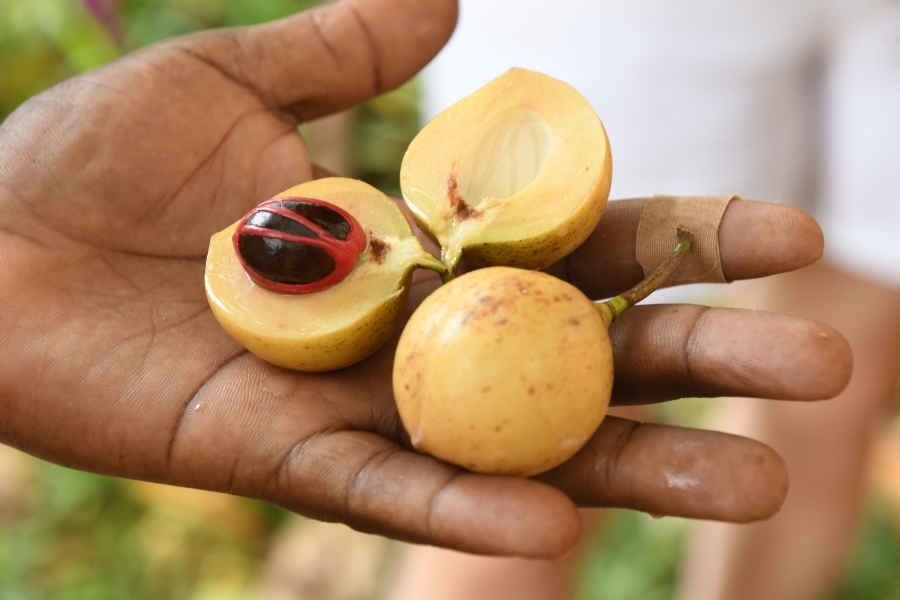
Just off from Stone Town, the heritage center of the city, is the island called Prison Island (Changu). It was created as a prison island though it never served as such. It was changed to a quarantine station but served that role only part-time. It is a slow ride out from Stone Town and then a nice enough place for a bit of a walk. It harbors a population of tortoises that came from Aldabra (an atoll area in the Seychelles) about 100 years ago. They were, as so many things were back then, a gift from one British governor to another. This is one population of tortoises that remains common on it native islands. There are thought to be over 100,000 tortoises on the human-free atoll. Out here on Prison Island there are a couple hundred tortoises including many young being raised, recorded, and housed in an area from which they cannot be removed. The larger tortoises are out and wanderting the same area that the visitors walk.Another outing that seems almost required is to visit a spice farm. The leaves, bark, fruits, and nuts that provide vigor to our daily meals are all on display here. It may be black pepper, or lemon grass, or cinnamon, or nutmeg (as shown above). The red lacing on the nutmeg nut, inside the uneaten husk, is called mace and is also a spice. In 1620 that small handful was worth hundreds of pounds.
The wildlife in Zanzibar is modest. There is a Red Colobus monkey and a smallish array of native birds. But it is not really a naturalists destination.
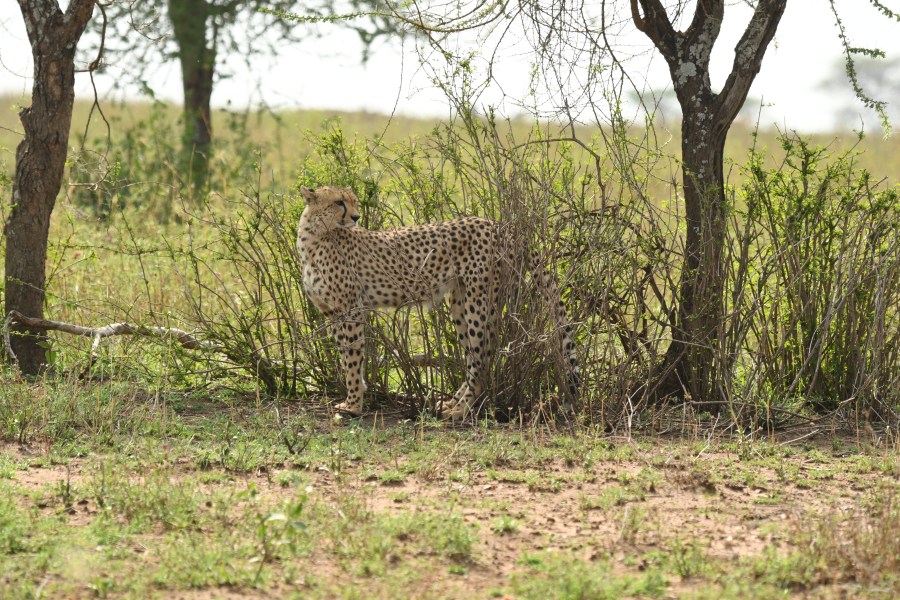
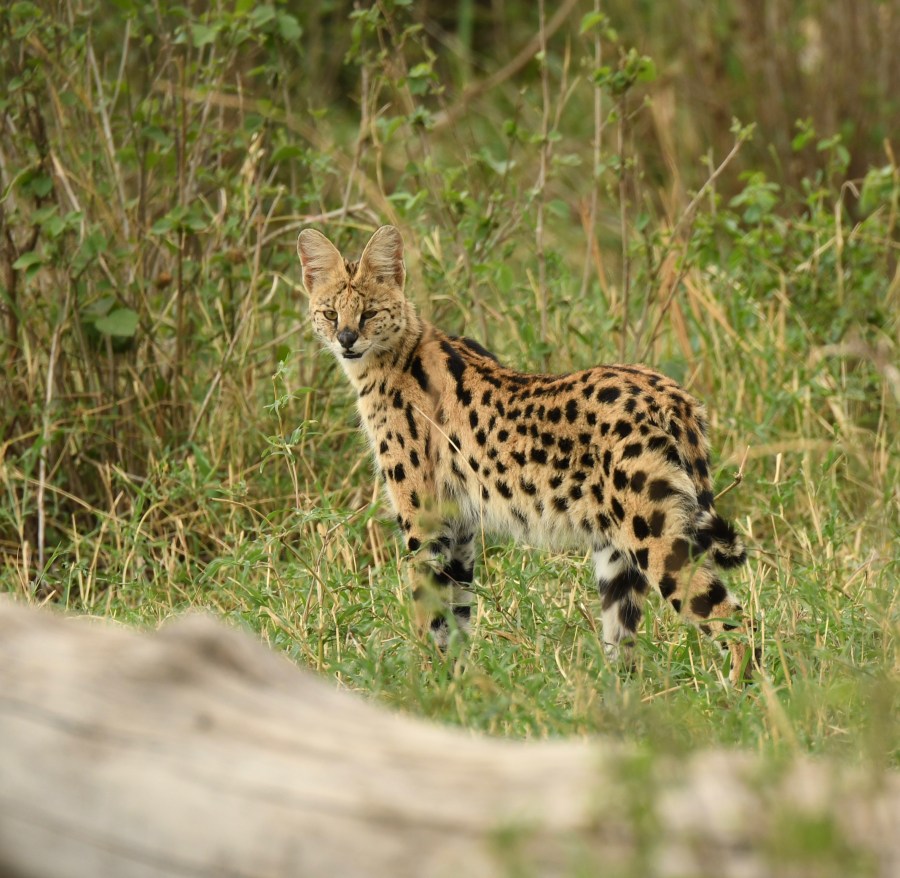
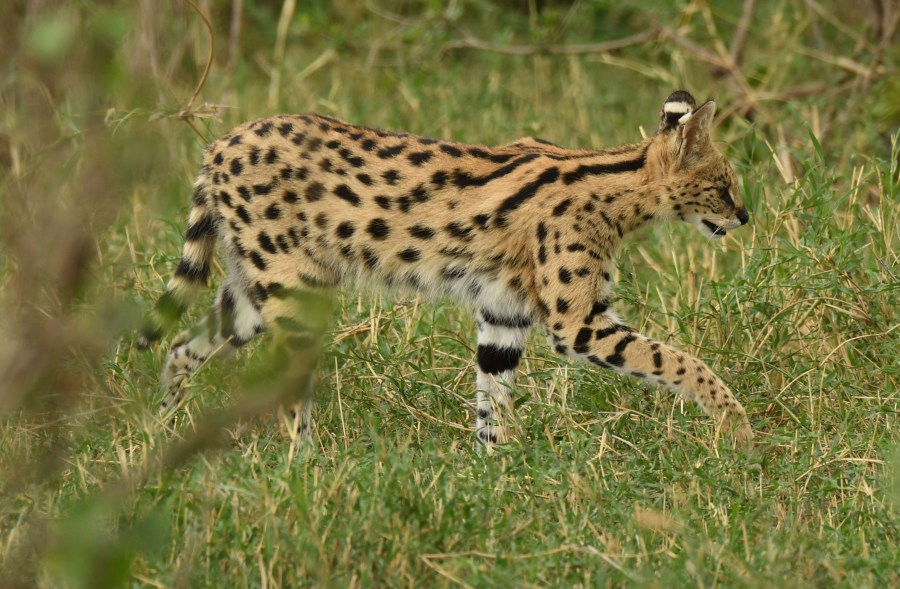
A quick look at the cats, other than lions, that we saw last month. There were sightings of Leopard, Cheetah, and Serval in addition to the ubiquitous lion – see previous posts. Leopards are always a bit iffy and when they are seen they are to be appreciated. Sometimes, rarely, they are cooperative and simply loll about in front of your vehicle but as a primarily nocturnal animal they are not always easy to locate during the day. Generally they are in a tree often only partially visible and equally often asleep and unmoving. Cheetah are solitary and thin. That means a Cheetah lying in the grass can be very hard to see. The best part with Cheetahs is that they are diurnal and are out and about in the daylight. The Serval is a small, Bobcat size, cat that is not uncommon, merely hard to locate and secretive. Smallish animals are often shy as self-preservation is the key to biological success. There are also cats called African Wildcat, a house-cat sized gray tiger tabby which are quite rarely seen. Again, they are not too uncommon but they are small and secretive.
Much of the great grassland called Serengeti consists of short grasses, other places have taller grass and there are wooded savannas as well. Cheetahs mostly like the short grass areas. They can see prey and run easily. They also seem to like the great views.Occasionally they cheetah will find a shrubby spot to rest or to hide young or perhaps to digest. they area smallish sort of cat, rarely weighing more than 125 pounds. So they need to eat while hunkered down and rest out of sight.
The cats of East Africa, pretty much worldwide actually, are all threatened by disease, poaching, and habitat loss. Leopards are pretty widespread with a range that encompasses pretty much all of Africa excepting large desert regions. The prey sought by Leopards is so varied they can survive most anywhere. Lions and Cheetah need grasses, grazers, and some cover. Serval are often in areas with thick brush or coarse grasses.
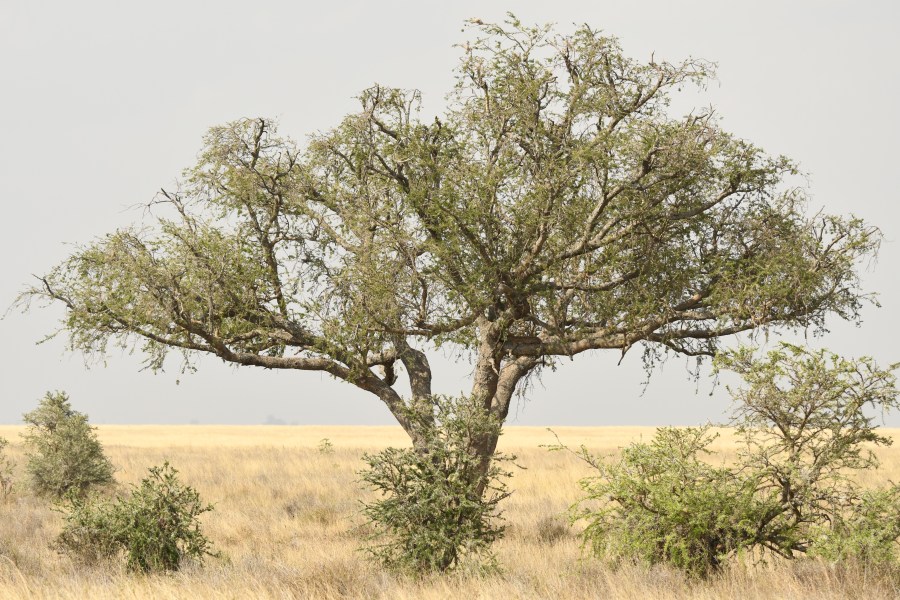
The images above and below are of the same tree and the same leopard. This is a rather usual sighting. Resting, motionless, in a tree. That is a leopard during the day time. In the evening and at night they are quite mobile and cover a reasonable amount of territory. They are known to use the same area and the same trees over and over. This helps your driver/guides locate them. It isn’t really a shot in the dark but good luck is important in leopard spotting. Sometimes you see the carcass of a prey animal in a tree which provides a clue as to the whereabouts of a leopard.The Serval is a smallish cat of coarsly vegetated ground. They are hunters of small mammals (mostly rodents) and occasionally birds. The large ears are important to rodent hunting as the prey are often heard well before being seen.Serval are heavy at 38 pounds and can be as light as 20 pounds. They have a shortish tail and are long-legged and rather slender. I most often see then in shrubby savanna and areas with coarse vegetation.













 On The Road With DEC